
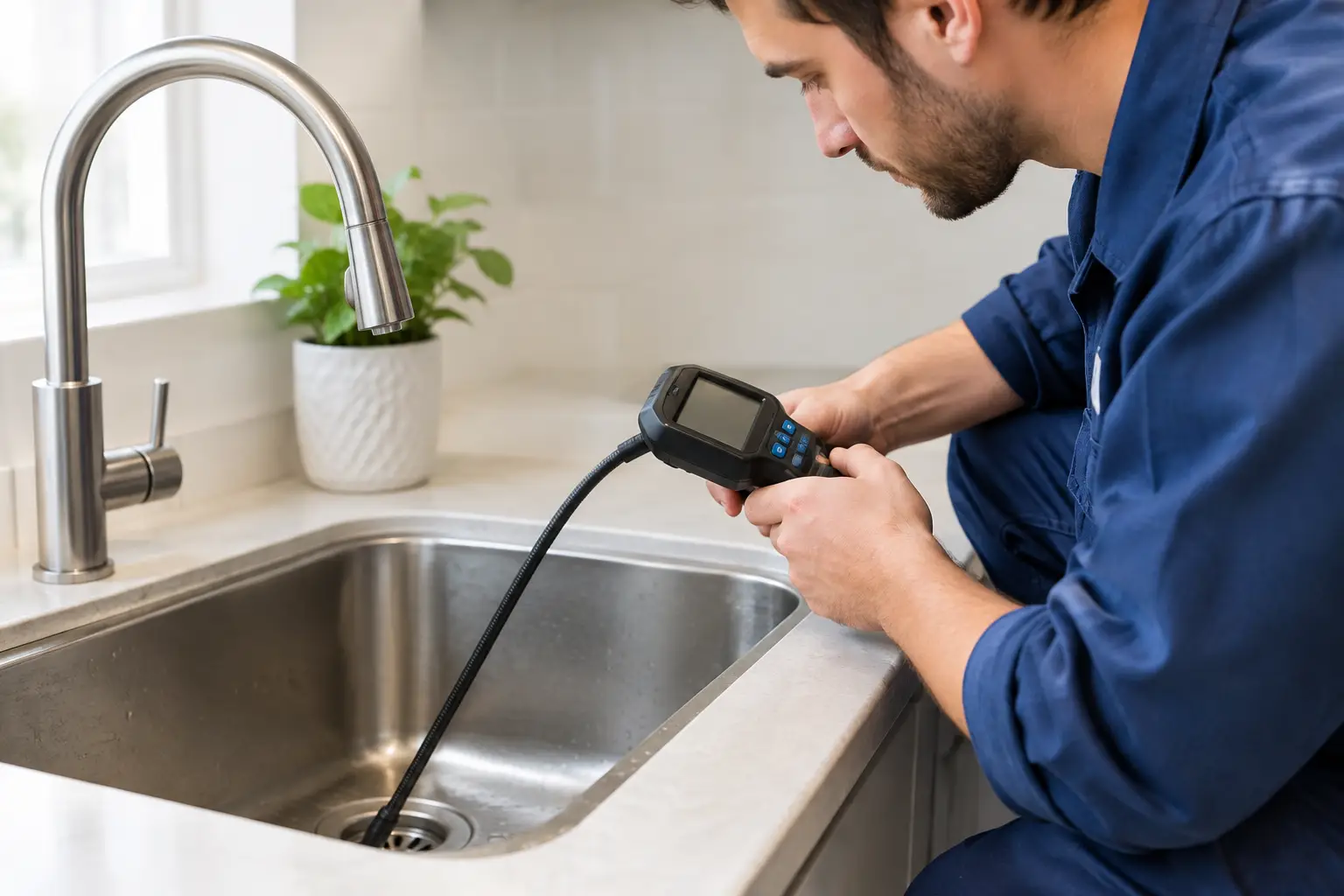
A slow kitchen sink can feel like a small inconvenience until it becomes a standing-water problem during dinner cleanup. A floor drain that gurgles may be even easier to ignore, but it can be the first sign of a developing blockage farther down the line. So, when should drains be cleaned? The best answer is before a partial clog turns into a backup, water damage, or an interruption to your home or business.
Drain cleaning is not one-size-fits-all. A lightly used guest bathroom does not need the same attention as a busy restaurant sink, a rental property, or a Cape Cod home with older plumbing. Knowing what to watch for helps you schedule service at the right time and avoid an emergency call when you least expect it.
When Should Drains Be Cleaned?
Drains should be professionally cleaned when they show repeat symptoms, not only when they stop draining completely. A single slow drain can sometimes be caused by hair or soap buildup near the stopper. When several fixtures drain slowly, gurgle, or develop odors, the issue may be in a shared branch line or the main sewer line.
For many households, a preventive drain inspection and cleaning every one to two years is a sensible starting point. Homes with large families, long hair, pets, older pipes, frequent guests, or a history of clogs may benefit from annual service. The right interval depends on how the plumbing is used and what a technician finds during service.
Commercial properties often need a more consistent plan. Kitchens, restrooms, laundry areas, and employee break rooms put more material through drains every day. Property managers should consider scheduled maintenance based on occupancy, business type, and prior drain issues rather than waiting for tenants or customers to report a backup.
Signs You Should Schedule Drain Cleaning Now
A drain does not need to be fully blocked to need professional attention. Acting while water is still moving usually gives a technician more options and reduces the chance of an overflow.
Call for drain cleaning if you notice any of these warning signs:
- Water drains slowly from a sink, tub, shower, or floor drain, especially after basic cleaning has not helped.
- Gurgling sounds come from toilets or nearby drains when water is running elsewhere in the building.
- Water backs up into a tub, shower, or sink when you flush a toilet or run an appliance.
- Sewer-like odors, recurring fruit flies, or persistent smells develop around drains.
- A clog returns repeatedly in the same fixture, even after using a plunger or removing visible debris.
- More than one drain is affected at the same time.
Multiple affected fixtures are the clearest reason not to wait. They can point to a blockage deeper in the system, a problem with the main line, or roots entering an underground sewer pipe. No amount of sink cleaner will reliably solve that kind of issue.
What Is Normal Buildup and What Is an Emergency?
Hair, soap residue, toothpaste, food particles, grease, and mineral deposits gradually narrow drain pipes. In a bathroom, the buildup often collects close to the fixture. In kitchens, grease combines with food debris and can harden inside the pipe. These issues usually start as slow drainage and can often be addressed before they become urgent.
A sewage backup, overflowing toilet, or water coming up through a floor drain is different. Stop using water throughout the property if possible. Running the dishwasher, flushing toilets, showering, or doing laundry can add more water behind the blockage and make the overflow worse. This is the time to call for emergency plumbing service, particularly if wastewater could affect finished areas, inventory, or occupied spaces.
Basements and first-floor bathrooms deserve special attention. A backup often appears at the lowest available drain first. If your basement floor drain starts filling when an upstairs fixture is used, treat it as a plumbing problem that needs fast diagnosis.
Why Cape Cod Drain Systems Need Extra Attention
Cape Cod properties range from historic homes with aging drain lines to seasonal homes that sit unused for months. Both situations can create maintenance concerns. Older pipes may have rough interior surfaces, corrosion, offsets, or tree-root intrusion that catches debris more easily. Seasonal homes can develop odors as traps dry out, while a drain line with an existing partial obstruction may not be discovered until the home is busy again.
Hard water minerals can also add to buildup over time. Although mineral scale alone is not always the cause of a blockage, it can reduce the effective diameter of a pipe and give grease or soap residue more surface to cling to.
If you own a vacation home, schedule a plumbing check before the active season rather than waiting until guests arrive. Property owners who winterize should also make drain condition part of their spring reopening plan. A clear drain line helps protect a property when water use returns to normal.
The Right Cleaning Method Depends on the Problem
Professional drain cleaning should begin with identifying the likely location and type of blockage. A technician may clear a nearby fixture clog with a cable machine, while a more stubborn main-line obstruction may call for a larger machine or hydro jetting. In some cases, a camera inspection is the most useful next step because it can reveal roots, damaged pipe, heavy scale, or a sagging section of line.
Hydro jetting uses controlled high-pressure water to remove grease, sludge, and buildup from pipe walls. It can be highly effective, especially for commercial kitchen lines and recurring buildup. However, it is not automatically the right choice for every pipe. Older, damaged, or compromised lines should be evaluated first so the cleaning method matches the pipe condition.
That distinction matters. Clearing a clog gets water moving, but understanding why it happened helps prevent the next one. If roots are repeatedly entering a sewer line or a pipe has deteriorated, ongoing cleaning may be a temporary measure rather than a long-term fix.
Why Chemical Drain Cleaners Are a Risky Shortcut
Store-bought chemical drain cleaners promise quick results, but they can create bigger issues. Many products generate heat or use harsh chemicals that may damage certain pipes, fittings, seals, or older plumbing. They are also hazardous to handle and can make later repair work more dangerous for anyone opening the line.
Chemical cleaners are particularly frustrating when they fail to reach the actual clog. The product can sit in standing water while the blockage remains untouched. Repeated use may also hide a recurring problem until it becomes a full backup.
For a minor sink clog, removing the stopper and clearing visible hair or debris is often a safer first step. A plunger can help in some situations as well. If the drain stays slow, backs up again, or affects another fixture, professional cleaning is the better next move.
Simple Habits That Reduce Clogs
Good daily habits extend the time between professional cleanings. In the kitchen, keep grease, cooking oil, coffee grounds, eggshells, fibrous food scraps, and large amounts of food waste out of the drain. Even garbage disposals are not designed to handle everything.
In bathrooms, use hair catchers in showers and tubs and remove the collected hair regularly. Only toilet paper and human waste should be flushed. Wipes labeled flushable, paper towels, cotton products, dental floss, and hygiene products are common causes of serious clogs because they do not break down the way toilet paper does.
For commercial properties, staff practices matter just as much as the plumbing itself. Grease control, regular cleaning of drain covers, and clear restroom signage can prevent avoidable service calls. A scheduled maintenance plan is usually less disruptive than dealing with a blocked line during business hours.
Schedule Service Before a Backup Disrupts Your Day
If drains are slow, noisy, smelly, or repeatedly clogged, it is time to schedule an inspection rather than keep trying temporary fixes. A licensed technician can identify whether the issue is localized or deeper in the plumbing system, clear the line using the appropriate equipment, and recommend a practical maintenance schedule for the property.
For homeowners and businesses across Cape Cod, Durfee Plumbing & Heating provides responsive drain cleaning and emergency plumbing support when a blockage cannot wait. Fully stocked trucks and experienced technicians help address the immediate problem while looking for the cause behind recurring clogs.
A clear drain is easy to take for granted, which is exactly why early action pays off. Address the first signs of trouble, and you are far more likely to protect your property from the mess and disruption of a preventable backup.



