
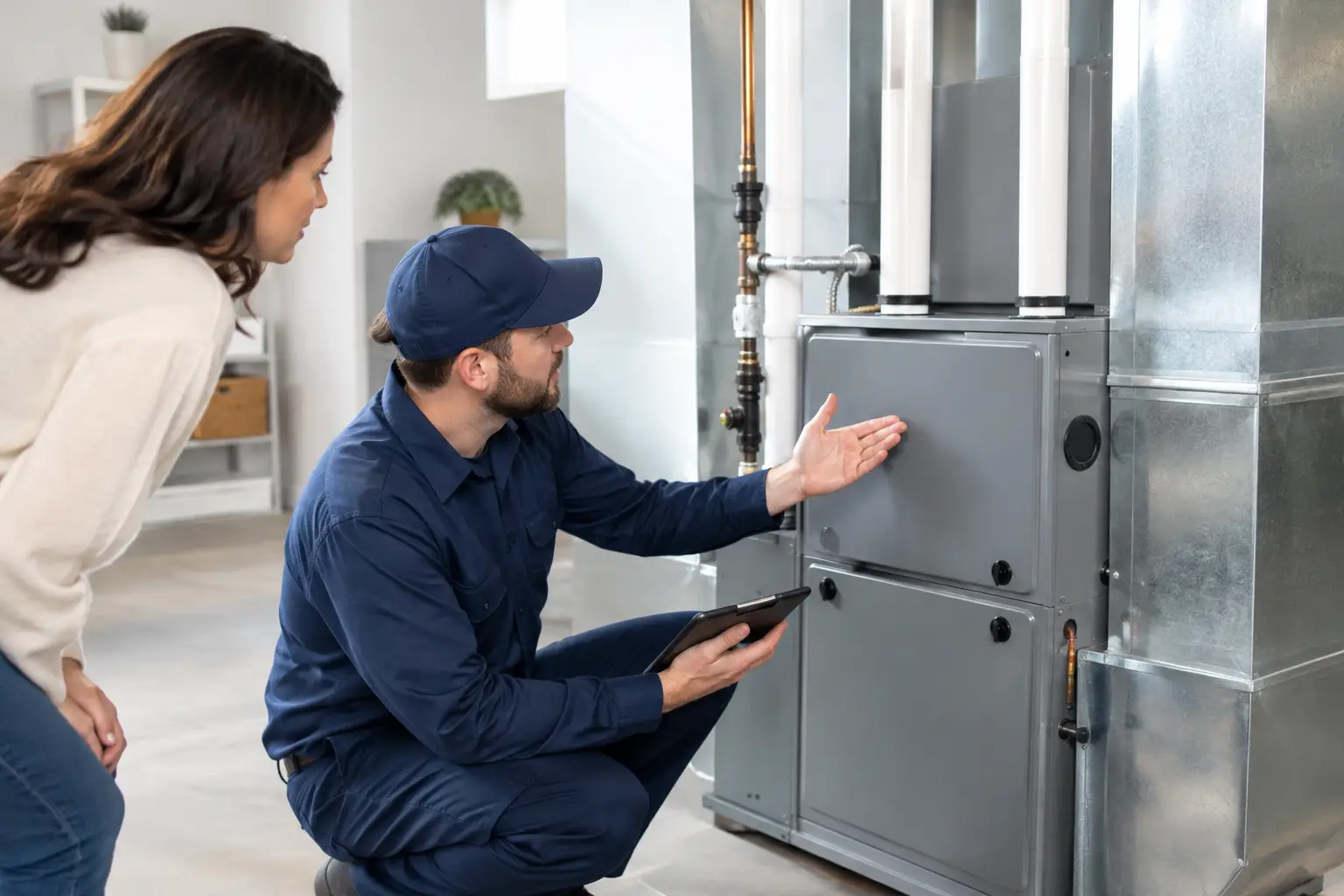
A furnace rarely fails at a convenient time. It stops keeping up during a cold Cape Cod night, makes a noise that was not there last week, or needs another repair just when you thought the last one solved the problem. Furnace replacement is a major decision, but waiting too long can leave a home, rental property, or business without dependable heat when it matters most.
The right answer is not always to replace the equipment immediately. A newer furnace with an isolated issue may be worth repairing. But an aging system that is expensive to run, unreliable, or no longer safe can make replacement the more practical and cost-effective choice.
Signs Furnace Replacement May Be the Better Option
Age matters, especially when it comes with recurring repairs. Many furnaces can operate for 15 to 20 years with proper maintenance, but performance and reliability often decline near the end of that range. A unit that has been maintained well may last longer, while one that has experienced frequent breakdowns, moisture exposure, or neglected service may wear out sooner.
Consider a professional evaluation if you are dealing with several of these issues:
- Repairs are becoming frequent or expensive, particularly for major components such as the heat exchanger, blower motor, or control board.
- Heating bills have climbed even though your heating habits have not changed.
- Some rooms stay cold while others become overly warm, despite thermostat adjustments.
- The furnace runs for long cycles, turns on and off repeatedly, or struggles to reach the temperature set on the thermostat.
- You notice unusual banging, rattling, squealing, burning odors, visible rust, or signs of water around the equipment.
- The system has safety concerns, including a cracked heat exchanger, combustion problems, or repeated carbon monoxide detector alerts.
A repair may still make sense when the furnace is relatively young, the issue is minor, and the rest of the system is operating efficiently. The key is looking at the full picture rather than approving one repair at a time without considering what is likely to come next.
Repair or Furnace Replacement: How to Decide
Start with the condition of the existing equipment. If a repair restores safe, reliable operation and costs a reasonable amount compared with the furnace's remaining useful life, repair can be the sensible move. This is common with igniter issues, sensors, thermostats, or smaller electrical repairs.
Replacement becomes more compelling when a major component fails on an older furnace. A damaged heat exchanger, for example, is not a repair to take lightly. It can affect both the safety and operation of the unit. Likewise, repeated failures can mean the system is reaching the point where spending more money on repairs only postpones an unavoidable replacement.
Energy use should also be part of the decision. Older furnaces can be far less efficient than current models, particularly if they have not been properly maintained or if the ductwork has leaks and airflow problems. A high-efficiency furnace can reduce fuel waste, but the expected savings depend on the home, insulation, thermostat settings, fuel costs, duct condition, and the efficiency of the old unit. An installer should be honest about those variables rather than promising a one-size-fits-all savings number.
For landlords and commercial property managers, reliability can carry even more weight. A heating outage can disrupt tenants, customers, employees, inventory, and daily operations. Replacing a declining system on a planned schedule is often easier than responding to an emergency failure during a busy winter week.
The Right Furnace Is Not Simply the Biggest One
A common mistake is assuming a larger furnace will heat a building better. Oversized equipment can heat the space too quickly and shut off before it distributes warmth evenly. That short cycling can increase wear, reduce comfort, and make the system less efficient. An undersized furnace has the opposite problem: it may run continuously during cold weather and still fail to keep up.
Proper furnace selection begins with the building itself. A qualified technician should consider square footage, insulation levels, window quality, ceiling height, layout, ductwork, heat loss, occupancy, and any additions or renovations. A house in Falmouth with older windows and coastal exposure may have very different heating needs than a newer, well-insulated home of the same size in another part of the Cape.
Fuel type and ventilation requirements also matter. If a property uses natural gas, propane, or oil, the replacement options and installation scope can differ. Some homeowners may also want to compare furnace replacement with a heat pump or ductless mini-split solution, especially if they want efficient heating and air conditioning from one system. There is no universal winner. The best option depends on the building, existing infrastructure, comfort goals, and budget.
What Happens During a Professional Replacement
A proper installation is more than setting a new furnace in place. The process starts with an evaluation of the existing system and the space it serves. This helps identify issues that could limit the performance of new equipment, such as undersized ducts, inadequate return air, poor venting, aging thermostats, or combustion air concerns.
On installation day, the old equipment is disconnected and removed safely. The technician installs the new furnace, connects fuel, electrical, venting, condensate drainage when required, and ductwork, then tests the system through a complete startup process. Airflow, temperature rise, safety controls, thermostat operation, and combustion performance should all be checked before the job is considered complete.
This attention to setup is why licensed, experienced installation matters. Even a high-quality furnace can underperform if it is improperly sized, vented, connected, or commissioned. Ask questions about the equipment being installed, the warranty coverage, and what maintenance will help protect the investment after installation.
What Affects Furnace Replacement Cost?
Replacement cost can vary widely because every property has different needs. The furnace itself is only one part of the project. Equipment efficiency, capacity, fuel type, venting changes, electrical upgrades, ductwork repairs, thermostat upgrades, permits, and access to the mechanical area can all affect the final price.
Higher-efficiency equipment may cost more upfront, but it can be worthwhile for some properties through improved fuel efficiency and comfort. In Massachusetts, qualifying energy-efficiency upgrades may also be eligible for Mass Save rebates or other incentives. Availability and eligibility requirements can change, so it is wise to review current options before selecting equipment.
Financing can make a needed replacement more manageable, particularly when a furnace fails unexpectedly. The goal is not to choose equipment based on monthly payment alone. Compare the scope of work, efficiency rating, warranty, expected operating costs, and the contractor's plan for properly sizing and installing the system.
Do Not Overlook Ductwork and Maintenance
A new furnace cannot fully solve comfort problems caused by leaking, dirty, restricted, or poorly designed ductwork. If certain rooms have always been cold or airflow has always been weak, ask for the duct system to be assessed as part of the replacement process. In some cases, targeted duct repairs, duct cleaning, return-air improvements, or zoning adjustments can make a noticeable difference.
Once the new system is installed, annual maintenance helps keep it operating safely and efficiently. Replacing filters regularly, keeping supply and return vents clear, and responding promptly to unusual noises or performance changes can prevent smaller concerns from becoming larger repairs.
If your current furnace is unreliable or your property has no heat, do not wait for the next breakdown to decide what to do. Durfee Plumbing & Heating can evaluate the system, explain the repair and replacement options clearly, and help you choose a dependable path forward. A planned replacement gives you more control over comfort, budget, and timing before winter makes the decision for you.



