
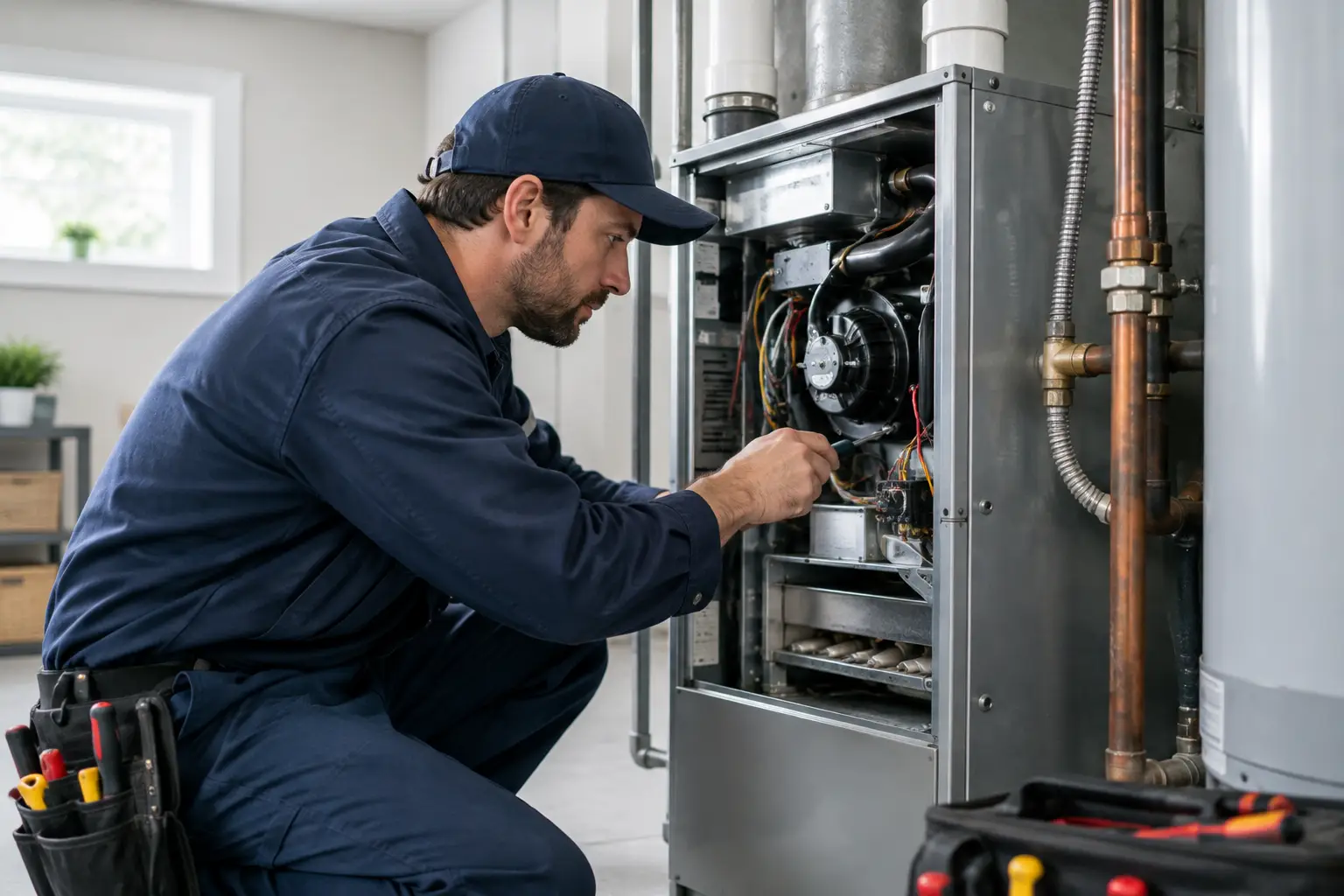
A heating system rarely fails at a convenient time. On Cape Cod, a furnace or boiler problem can turn from a minor comfort issue into frozen pipes, property damage, and a disrupted household or business quickly. This guide to furnace and boiler repair helps you recognize what needs immediate attention, what may be a simple operating issue, and when it is time to call a licensed heating professional.
Know Whether You Have a Furnace or Boiler
Furnaces and boilers both heat buildings, but they work differently. That difference affects the symptoms you may notice and the type of repair needed.
A furnace heats air and moves it through ductwork using a blower. If you have supply vents in rooms and a filter near the unit or return grille, you likely have a forced-air furnace. Common furnace issues include weak airflow, a blower that will not start, dirty filters, ignition failures, and thermostat problems.
A boiler heats water and circulates it through radiators, baseboard units, or radiant floor tubing. Steam boilers use steam, while hydronic boilers use hot water. Boilers do not rely on ducts, so trouble often appears as cold radiators, banging pipes, leaks, low system pressure, or uneven heating from room to room.
Both systems can run on gas, oil, electricity, or propane. Fuel type matters because repairs involving combustion, gas piping, venting, wiring, or pressurized water systems require trained service. A quick diagnosis can prevent a small component problem from becoming a full system shutdown.
Warning Signs That Need Fast Furnace and Boiler Repair
Some heating issues can wait for a regular service appointment. Others should be handled right away, especially when safety or water damage is involved.
Turn off the system and seek professional help if you smell gas, notice a carbon monoxide alarm, see soot around the equipment, or experience dizziness, headaches, or nausea when the heat runs. Leave the building if there is a strong gas odor or a carbon monoxide alarm, and contact emergency services or your gas utility as appropriate. Do not try to locate or repair a gas leak yourself.
A boiler leak also deserves prompt attention. A few drops at a fitting may look minor, but ongoing leakage can damage floors, ceilings, and finished spaces while lowering boiler pressure. Water near electrical controls is especially urgent. If it is safe to do so, turn the heating system off and protect the area from further water exposure until a technician can inspect it.
Other signs that call for timely furnace or boiler repair include:
- No heat when the thermostat is set correctly
- Repeated system shutdowns or frequent breaker trips
- Loud banging, whistling, grinding, or rumbling sounds
- Yellow or flickering burner flames instead of steady blue flames
- Cold rooms despite a running system
- A sudden jump in fuel or electric bills
These symptoms do not always mean replacement is necessary. A failed igniter, circulator pump, zone valve, sensor, pressure control, or blower component can stop an otherwise serviceable system. The key is getting an accurate diagnosis before the problem worsens.
Safe Checks to Make Before Calling
A homeowner or property manager can rule out a few basic operating issues without opening panels or touching fuel connections. Start with the thermostat. Confirm it is set to Heat, set above the current room temperature, and has fresh batteries if it uses them. If the thermostat screen is blank, the issue may be as simple as batteries or a tripped power switch.
Next, check the electrical panel for a tripped breaker. If a breaker trips again after being reset once, leave it off and schedule service. Repeated trips can indicate a wiring problem, a failing motor, or another electrical fault that should not be ignored.
For a furnace, inspect the air filter. A heavily clogged filter restricts airflow, can cause overheating, and may lead to a safety shutdown. Replace filters with the correct size and type on the schedule recommended for your home, pets, and system. Make sure supply vents and return grilles are open and not blocked by furniture, rugs, or storage.
For a boiler, look for obvious water around the unit, check whether radiators or baseboards are blocked, and note the pressure reading if your system has a visible gauge. Do not adjust pressure-reducing valves, relief valves, or combustion controls unless a qualified technician has specifically instructed you to do so. Boiler systems are pressurized and can be damaged by incorrect adjustments.
If your heating equipment is oil-fired, avoid assuming an empty tank is the only cause of a shutdown. Running out of oil can introduce air into the fuel line, and improper restarting may create further issues. A trained technician can safely prime the system, inspect the burner, and verify that it is operating cleanly.
Common Furnace Problems and What They May Mean
A furnace that turns on but blows cool air may have a thermostat issue, ignition or flame-sensing problem, fuel-supply issue, or overheating condition caused by restricted airflow. It can also be normal for the blower to run briefly before warm air reaches the vents, so give the system a few minutes before assuming it has failed.
Short cycling happens when a furnace starts and stops frequently without completing a normal heating cycle. A dirty filter, blocked vent, oversized equipment, faulty sensor, or thermostat location can all contribute. Because frequent cycling increases wear and wastes energy, it is worth addressing even if the home eventually reaches the set temperature.
Weak airflow is often linked to a dirty filter, blower problem, duct restriction, or closed dampers. Older Cape Cod homes can have complex additions, long duct runs, or rooms that were not originally designed for central heating. In those cases, the repair may involve more than the furnace itself. A technician should evaluate the equipment, airflow, duct condition, and thermostat settings before recommending a solution.
Common Boiler Problems and What They May Mean
A boiler that produces heat unevenly may have air trapped in the lines, a failing circulator, closed zone valve, incorrect pressure, or buildup in the system. One cold room does not necessarily mean the boiler has failed. It may point to a local zone, radiator, baseboard, or control issue instead.
Banging or knocking pipes can occur when water flow changes abruptly, when air is present, or when a steam system has condensate where it should not. Steam boilers can also make noise when their pitch, vents, or operating pressure are not correct. These sounds should not be dismissed as normal if they are new or getting louder.
Low boiler pressure can prevent hot water from circulating properly, while excessively high pressure may trigger the relief valve and cause leaking. Both conditions need professional attention because the underlying cause could involve the expansion tank, feed valve, pressure control, leak, or another component.
Repair or Replacement: How to Make a Practical Decision
The right choice depends on the age of the equipment, repair history, efficiency, condition of major components, and the cost of the repair compared with replacement. A single failed part on a well-maintained system is usually a repair situation. Frequent breakdowns, corrosion, cracked heat exchangers, major leaks, or obsolete parts can shift the decision toward replacement.
Age alone is not the full story. Some older boilers remain dependable with proper maintenance, while a newer system that was poorly installed or neglected may have ongoing trouble. A qualified assessment should include combustion safety, venting, system sizing, distribution performance, and expected operating costs, not just a quote for the part that failed.
Replacement can also be an opportunity to improve comfort and efficiency. High-efficiency boilers, heat pumps, ductless mini splits, and zoning upgrades may be worth considering depending on the building, fuel availability, and heating goals. Available financing and Mass Save incentives can make a larger upgrade more manageable, but savings estimates should always reflect your actual property and usage.
Prevent Breakdowns Before Winter Weather Arrives
Annual heating maintenance is one of the most effective ways to reduce unexpected repairs. A professional service visit can identify worn ignition parts, dirty burners, venting concerns, failing pumps, weak electrical connections, incorrect pressure, and combustion issues before they leave you without heat.
Between visits, replace furnace filters regularly, keep equipment areas clear, test carbon monoxide alarms, and pay attention to changes in noise, cycling, or heating performance. Property managers should also document service dates and recurring complaints by unit or zone. That record helps identify whether a problem is isolated or part of a larger system issue.
For homes that are vacant seasonally, proper plumbing winterization and reliable heat are closely connected. A heating interruption during a cold snap can put water lines at risk even if the heating equipment itself suffers little damage.
When the heat stops, clear answers matter as much as a fast response. Durfee Plumbing & Heating provides furnace and boiler repair for Cape Cod homeowners, property managers, and commercial properties with licensed technicians, stocked trucks, and 24/7 availability for urgent heating problems. Acting early when you notice a warning sign can protect your comfort, your equipment, and your property.



