
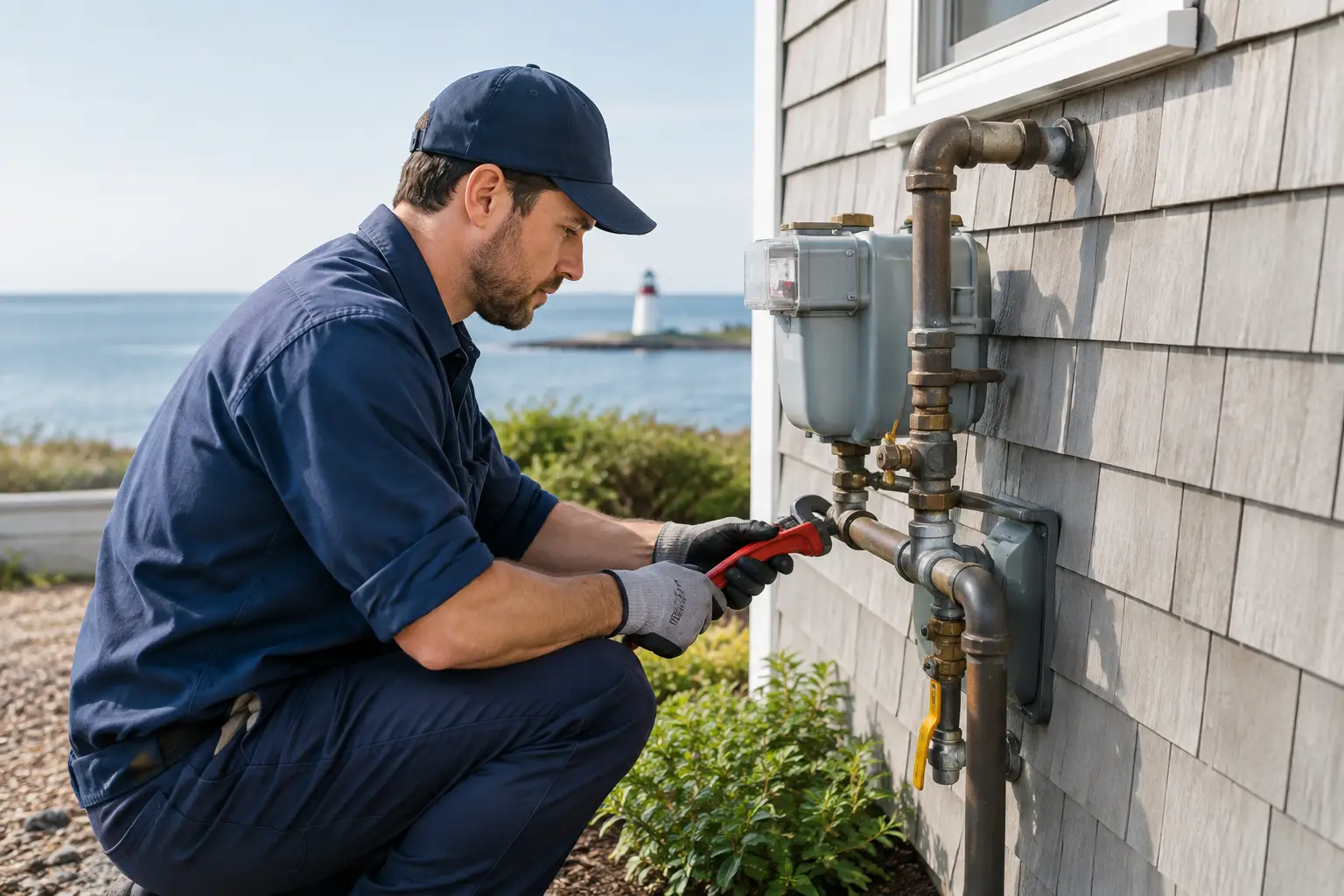
A search for a gas line plumber Cape Cod property owners can depend on usually starts with a specific need: a new gas range, a standby generator, a gas fireplace, a pool heater, or an appliance that will not stay lit. Gas work is not a project to postpone or treat as a simple connection. The line must be sized correctly, installed to applicable code, pressure-tested, and connected safely so your home or business can use fuel reliably.
On Cape Cod, that work also has to hold up in a coastal environment and fit the demands of seasonal homes, rentals, restaurants, and year-round businesses. Knowing when to call a licensed professional can protect people, property, and the equipment you rely on.
When to Call a Gas Line Plumber on Cape Cod
Call for professional gas line service whenever you are adding, moving, replacing, or converting a gas-fired appliance. This includes ranges, dryers, water heaters, boilers, furnaces, fireplaces, outdoor kitchens, generators, and pool heaters. Even when an appliance arrives with a flexible connector, the supply line and shutoff arrangement still need to be appropriate for the appliance and installation location.
A licensed technician should also inspect a line if you notice a sulfur or rotten-egg odor, hear hissing near a gas pipe or appliance, see damaged piping, or have recurring pilot-light and burner problems. Do not assume poor performance is only an appliance issue. Low gas pressure, an undersized line, an improperly placed regulator, or a leak can all affect how equipment operates.
If you smell gas, leave the building immediately. Do not turn lights or appliances on or off, use a phone inside, light a match, or start a vehicle nearby. Once you are at a safe distance, contact emergency services and your gas utility according to their safety guidance. A plumbing professional can address the repair after the area has been made safe and cleared for service.
New Appliances Can Change the Whole Gas System
One of the most common surprises in gas line installation is that the existing pipe may have worked perfectly for years, yet no longer be adequate after an upgrade. A home may have had a boiler and a cooktop when it was built. Add a tankless water heater, a gas dryer, and a whole-house generator, and the total fuel demand changes significantly.
Proper sizing is based on the appliances being served, their input ratings, the length of the runs, the type of gas, and the system layout. Simply extending the nearest visible pipe is not a dependable solution. An undersized line can cause weak flames, delayed ignition, nuisance shutdowns, reduced heating output, and poor performance when multiple appliances run at once.
This is particularly relevant for homeowners replacing an older oil-fired system with high-efficiency gas equipment or installing a generator for storm preparedness. The equipment choice, fuel capacity, piping route, and electrical requirements should be considered together before installation begins. Planning it correctly at the start helps avoid opening finished walls twice or discovering capacity issues after the new equipment is in place.
Natural Gas and Propane Need the Right Setup
Natural gas and propane are both common fuel sources, but they are not interchangeable. They operate at different pressures and require equipment configured for the fuel being used. A range, dryer, fireplace, or water heater must be properly set up for natural gas or propane, and any conversion must follow the manufacturer’s instructions.
Propane systems may involve tank placement, regulators, exterior piping, and protection for lines running underground or along the structure. Natural gas installations can involve meter-side coordination and service capacity considerations. The right approach depends on the property, the appliance load, and local requirements.
For a seasonal Cape home, there is another question worth asking: how will the gas system and connected equipment be protected during long vacancies? Winterization needs vary by system. While gas piping itself is different from water piping, related appliances, condensate drains, hydronic heating components, and outdoor connections may all need attention before freezing weather arrives.
What a Safe Gas Line Installation Should Include
Quality gas work is more than running pipe from point A to point B. Before the work begins, a professional should understand what appliances the line will serve and inspect the available supply, route, access points, and shutoff needs. The installation plan should account for approved materials, secure support, protection from physical damage, and accessible shutoffs where required.
Once piping is installed, it should be tested before it is put into service. Testing verifies that the system can hold pressure and helps identify leaks before gas reaches the appliances. Depending on the scope of work and the local authority having jurisdiction, permits and inspections may also be required. That process is not red tape for its own sake. It creates a documented check that the work meets applicable safety standards.
After connection, the technician should verify proper appliance operation. That can include checking ignition, burner flame, venting-related operation where applicable, and the response of safety controls. A gas appliance that starts is not automatically a gas appliance that is operating correctly.
Why Licensed Work Matters for Homes and Businesses
Gas piping is one of those systems where a shortcut can stay hidden until it becomes a serious problem. Improper joints, unsupported lines, incorrect fittings, appliance connections made without proper shutoff access, and untested repairs can create leak and fire risks. Poor installation may also lead to failed inspections, manufacturer warranty concerns, or delayed insurance claims after a loss.
For commercial properties, the consequences can extend beyond one building. A restaurant kitchen, rental property, office, or retail space may lose revenue when a gas appliance is down. There may also be occupancy, tenant, and scheduling concerns that make fast diagnosis especially valuable.
A qualified local service provider brings the right tools to locate leaks, evaluate pressure, make code-conscious repairs, and coordinate a practical path forward. Fully stocked trucks can make a difference when a repair requires common valves, fittings, connectors, or replacement parts that would otherwise turn one service call into several.
Questions to Ask Before Scheduling Gas Work
You do not need to become a gas-piping expert before making the call. A few details can help the technician arrive prepared and give you a clearer estimate of the scope. Be ready to describe the appliance being installed or repaired, its fuel type, its location, and whether it is replacing an existing unit or adding new demand.
It also helps to mention any recent changes, such as a new furnace, water heater, generator, or kitchen renovation. If the issue is performance-related, explain when it occurs. For example, does the range flame weaken only when the heat turns on, or does the fireplace shut down after several minutes? Those patterns can point toward capacity, appliance, venting, or control issues.
Ask whether permits or inspections are expected, what testing will be performed, and whether the quote includes appliance connection, startup, and any needed modifications. For larger projects, ask about scheduling, warranty coverage, and financing options. Clear answers before work begins reduce surprises later.
Choose Service That Fits the Urgency
Not every gas line project is an emergency. Installing a new cooktop during a remodel can be planned around cabinetry, electrical work, and appliance delivery. A suspected leak, damaged line, or heat-producing appliance that will not operate safely is different. Those situations need prompt attention.
For homeowners and property managers across Cape Cod, Durfee Plumbing & Heating LLC provides licensed gas line service alongside plumbing, heating, and HVAC support. That broader capability is useful when a gas project connects to a boiler replacement, water heater upgrade, generator planning, or a larger property renovation. A one-year parts and labor warranty and available financing can also add confidence when the project is bigger than a simple repair.
If you are planning an appliance upgrade or have concerns about an existing line, address it before the busy heating season or a major remodel puts the project on a tighter timeline. A properly planned gas line gives your equipment the fuel it needs and gives you one less safety concern to carry.



