
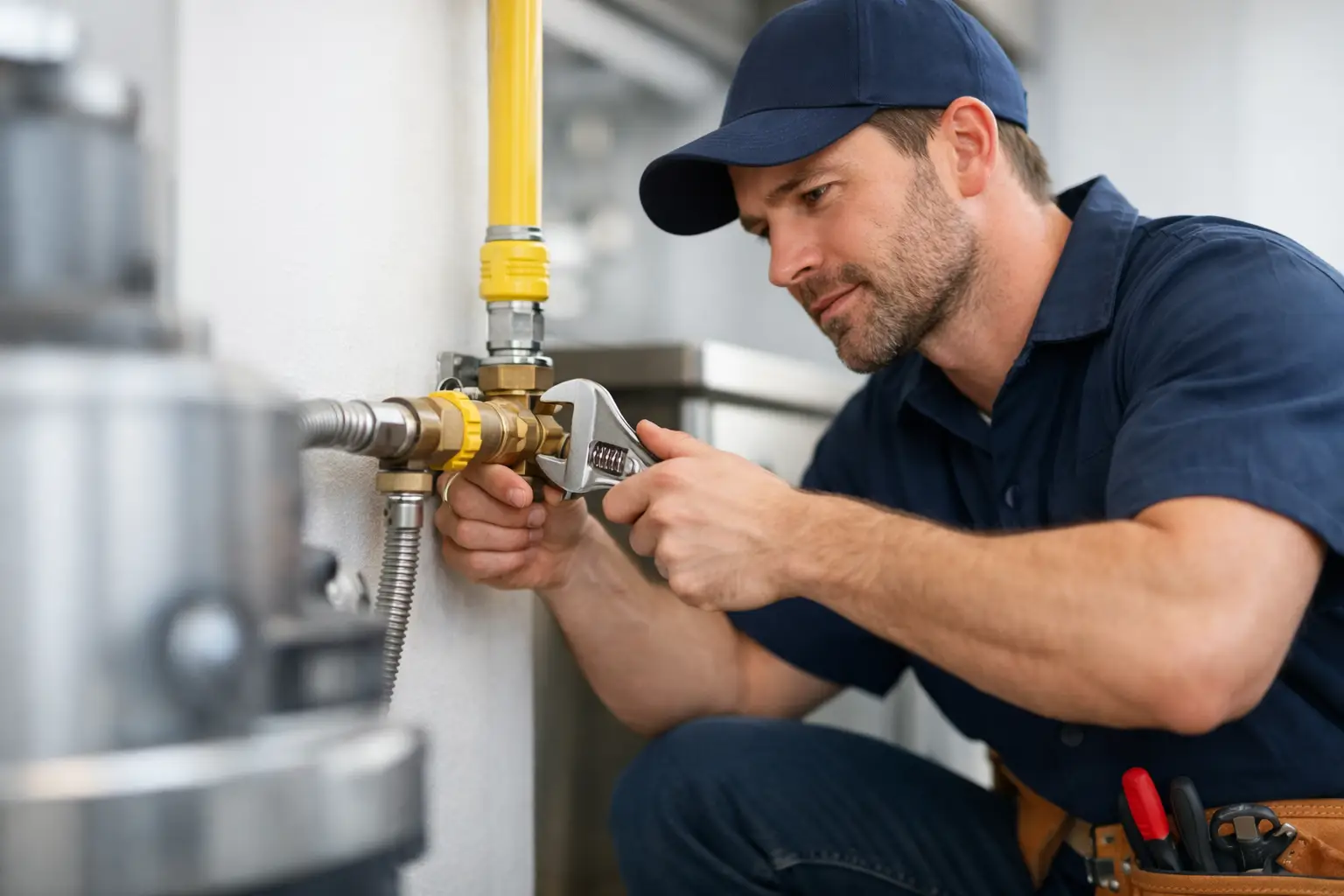
A gas appliance upgrade should feel exciting, not uncertain. Whether you are adding a gas range, replacing a water heater, installing a standby generator, or converting a heating system, the gas line behind the appliance has to be sized, installed, and tested correctly. That is when a licensed gas line plumber is not simply a convenience - it is the professional you need to protect your property, your family, and your investment.
Gas work is different from many routine household repairs. A connection that appears secure can still leak. A line that works for one appliance may not have the capacity for a second or third appliance. And an improperly installed gas system can lead to failed inspections, interrupted service, property damage, carbon monoxide concerns, or fire hazards.
Why Gas Line Work Requires Licensed Expertise
Natural gas and propane are reliable fuel sources when their systems are installed and maintained properly. The risk comes when equipment, piping, connections, venting, or shutoff controls are handled without the appropriate training and licensing.
A qualified professional understands more than how to connect pipe. They evaluate gas demand across the whole property, select approved materials, confirm the proper pipe size, install accessible shutoff valves, protect piping from damage, and pressure-test the completed work. They also understand when permits and inspections apply.
In Massachusetts, gas fitting work is regulated. Depending on the job, the contractor may need the proper plumbing and gas fitting credentials and must follow applicable state and local requirements. Hiring a licensed professional helps ensure the work is completed with safety and code compliance in mind rather than based on guesswork.
This matters especially in older Cape Cod homes, where renovations may reveal aging pipe, previous additions, tight mechanical spaces, or appliance changes made over decades. What worked for an old boiler may not be appropriate for a new high-efficiency unit, tankless water heater, fireplace insert, or generator.
Common Times to Call a Licensed Gas Line Plumber
Some gas line needs are planned, while others cannot wait. A professional should be involved before a new gas appliance is delivered or connected, not after it is already sitting in place.
Adding or Replacing a Gas Appliance
A new gas range, dryer, water heater, furnace, boiler, fireplace, pool heater, or generator may require a new branch line or a larger supply line. The key question is not whether there is gas piping nearby. It is whether the existing system can safely supply the appliance at the required pressure while other equipment is running.
For example, a home may have enough gas capacity for a boiler and cooking range but not for a whole-house generator starting while the heat is operating. A licensed technician can calculate the connected load and recommend the right approach before installation begins.
Converting From Oil or Electric Equipment
Fuel conversions often involve more than switching appliances. The gas service, meter capacity, interior piping, venting, and equipment location may all need review. A careful assessment at the beginning can prevent delays later, particularly when a heating replacement is time-sensitive.
The same applies to a new gas water heater. Selecting the right unit involves matching household hot-water demand, available venting, fuel supply, and installation space. In some homes, a heat pump water heater may be a better energy-efficiency option. The right choice depends on the property and the owner's priorities, not a one-size-fits-all recommendation.
Renovations, Additions, and Commercial Build-Outs
Kitchen renovations, accessory spaces, outdoor kitchens, and business improvements often create new gas demands. Planning gas piping early keeps walls and floors from being opened again later. For commercial properties, proper gas capacity and equipment placement can also help reduce disruption to daily operations.
Suspected Gas Leaks or Damaged Piping
If you smell sulfur or rotten eggs, hear a hissing sound near a gas line, see damaged piping, or suspect a leak, treat it as an urgent safety issue. Leave the area, avoid switches, flames, vehicles, or anything that could create a spark, and contact your gas utility or emergency services as appropriate. Do not attempt to locate or repair the leak yourself.
Once the immediate situation is safe, a licensed professional can inspect the interior gas system and make needed repairs. Fast response matters, but safe diagnosis matters just as much.
What a Professional Gas Line Installation Should Include
A quality installation starts with a site evaluation. The technician should identify every gas appliance on the property, review the existing supply arrangement, and determine whether the system has adequate capacity for the planned equipment.
From there, the work may include installing new piping, extending a branch line, replacing undersized sections, adding shutoff valves, connecting approved flexible appliance connectors where appropriate, and securing or protecting pipe in exposed areas. The exact materials and layout depend on the building, appliance type, local requirements, and whether the fuel is natural gas or propane.
Testing is a critical part of the process. Gas piping must be checked for leaks before it is put into service. A professional also verifies appliance operation and confirms that the work area is left safe and orderly. If permits or inspections are required, an experienced contractor can help keep that process moving.
The best service experience also includes clear communication. You should know what is being installed, why changes are recommended, what the work will cost, and what to expect next. For larger projects, financing options can make it easier to move forward with a necessary repair or upgrade without putting off important work.
Why DIY Gas Repairs Are a Bad Trade-Off
Homeowners are often comfortable replacing a faucet, clearing a simple drain clog, or handling basic maintenance. Gas piping is not the place to stretch those skills. Online tutorials cannot account for your home's gas load, pipe condition, local regulations, appliance specifications, or concealed hazards.
The apparent savings from a do-it-yourself repair can disappear quickly if the job leaks, fails inspection, damages an appliance, or must be rebuilt by a professional. There may also be insurance and warranty concerns when unlicensed work is involved.
Even small tasks can be misleading. Reconnecting a range, moving a dryer, or replacing a shutoff valve may seem straightforward, but the work still needs the correct fittings, sealing methods, clearances, testing, and attention to manufacturer requirements. When fuel gas is involved, the safer decision is usually the more cost-effective one over time.
Questions to Ask Before Hiring for Gas Line Work
Before scheduling service, confirm that the company is properly licensed for the work and experienced with the type of appliance or gas line project you have in mind. Ask whether they will evaluate gas capacity, handle required permits when applicable, perform pressure testing, and explain the scope before work begins.
It is also reasonable to ask about availability, warranty coverage, and whether the service vehicles carry common parts. A stocked truck can make a real difference when a failed connection, shutoff valve, or appliance issue needs prompt attention. For emergencies and no-heat situations, 24/7 availability provides added peace of mind.
For homeowners and property managers across Cape Cod, Durfee Plumbing & Heating LLC provides licensed plumbing and gas line service with practical recommendations, responsive scheduling, and a 1-year parts and labor warranty. Whether the job is a planned appliance installation or an urgent repair, the goal is the same: complete the work correctly and help restore confidence in your home's essential systems.
If you are planning a gas appliance project or have concerns about existing piping, schedule an evaluation before the issue becomes a disruption. A properly installed gas line is one part of your property you should never have to second-guess.



