A frozen pipe usually does not announce itself until the damage starts. One cold snap, a draft in the wrong spot, or a thermostat set too low, and suddenly you are dealing with no water, a cracked line, or a leak behind a wall. If you want to prevent frozen pipes in winter, the best time to act is before temperatures drop hard and stay there.
On Cape Cod and across southeastern Massachusetts, winter pipe problems often show up in the same places - crawl spaces, basements, garages, exterior walls, and seasonal properties that do not stay consistently heated. The good news is that most frozen pipe emergencies are preventable with a few practical steps and a clear idea of where your system is vulnerable.
Why pipes freeze faster than most people expect
Pipes do not need days of extreme weather to freeze. A short stretch of very cold temperatures can be enough if the pipe is exposed to moving air, poor insulation, or low indoor heat. Water lines in unheated spaces are especially vulnerable, but pipes inside finished walls can freeze too if cold air is getting in through gaps or poorly sealed openings.
The real problem is not just the ice. As water freezes, pressure builds inside the pipe. That pressure can split copper, PEX, or other plumbing materials. Sometimes the crack happens where the ice forms. Other times it shows up farther down the line. When the pipe finally thaws, the water has somewhere to go, and that is when major damage starts.
The most effective way to prevent frozen pipes in winter
The most reliable strategy is simple: keep pipes warm enough, keep cold air away from them, and keep water moving when conditions are severe. That sounds straightforward, but the details matter.
Start by identifying any pipe that runs through an unheated or lightly heated area. Basements are common trouble spots, especially where rim joists let in outside air. In older homes, plumbing near foundation walls or under sinks on exterior walls is often at risk. In commercial spaces, utility rooms, service corridors, and vacant sections of a building deserve extra attention.
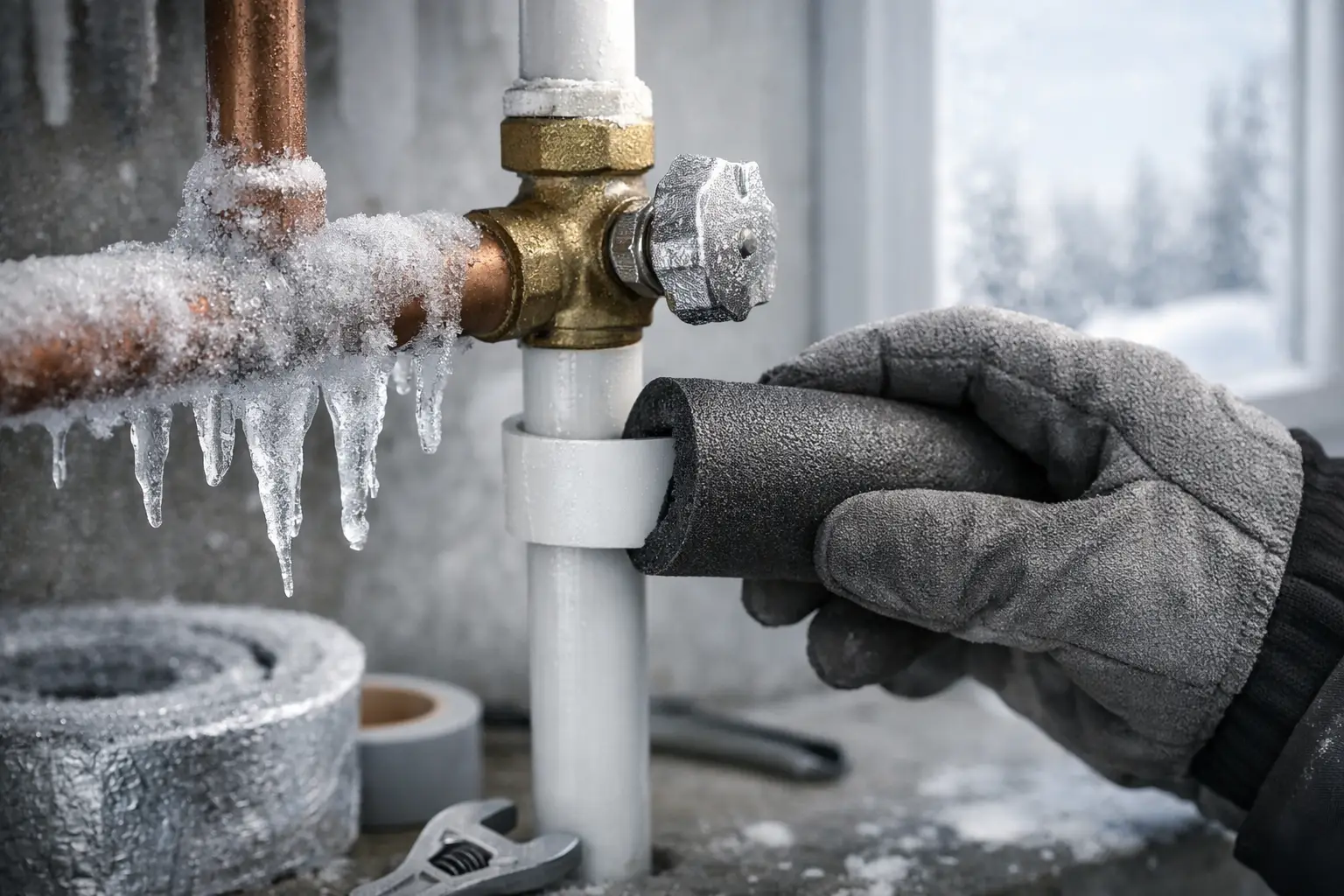
Pipe insulation helps, but it is not a cure-all. Foam sleeves and similar products slow heat loss, which can make a major difference during a cold night. Still, insulation works best when the surrounding area stays above freezing or close to it. If a crawl space or garage gets extremely cold, insulation alone may not be enough.
Keep the heat steady, even when you are away
One of the most common mistakes homeowners make is dropping the thermostat too low to save money. A small setback may be fine, but shutting heat off or letting indoor temperatures get too cold can create expensive problems fast. If you are leaving for a weekend or longer, keep the heat on and set it high enough to protect the plumbing system.
There is no perfect temperature for every property, because layout, insulation, and pipe location all matter. In many homes, keeping the thermostat at least in the mid-50s is a reasonable baseline. Homes with exposed piping, drafty construction, or known freeze points may need more heat than that.
If you own a seasonal home or rental property, winterization may be the smarter option than relying on minimum heat alone. That depends on whether the building will be occupied, how often it is checked, and how vulnerable the plumbing is. A full winterization is more involved, but for vacant properties it can be the safest route.
Don’t ignore drafts and cold air leaks
A pipe can freeze even if the rest of the room feels fine. That is because cold air leaks create concentrated freeze points. Small openings around sill plates, hose bibs, foundation penetrations, dryer vents, and pipe entry points can expose plumbing to enough cold air to cause trouble.
If you have ever opened a cabinet under a sink and felt a sharp chill, that is worth addressing before deep winter hits. Sealing those openings can be just as important as insulating the pipe itself. The same goes for basement windows that do not close tightly or crawl space access doors that let in outside air.
In older Cape Cod homes, this is especially relevant. Many have charm, but they also have quirks - added-on spaces, older insulation, and plumbing routes that were never ideal for winter weather. A little air sealing can go a long way.
Let warmer indoor air reach vulnerable pipes
Pipes under kitchen and bathroom sinks on exterior walls often freeze because cabinet doors stay closed and trap them in a colder pocket. During very cold weather, open those cabinet doors so indoor heat can circulate around the plumbing. If there are harmful cleaners stored inside, move them somewhere safe first if children or pets are in the home.
This is a small step, but it can help during overnight freezes. It is most effective when combined with a stable thermostat setting and reduced drafts around the wall behind the cabinet.
When a slow drip makes sense
Letting a faucet drip is not something you need all winter long. But during extreme cold, especially if you know a certain line has frozen before, a small, steady trickle can help prevent a freeze. Moving water is less likely to freeze than water sitting still in the pipe.
Use this selectively. It is not the first solution for every home, and it is not a substitute for insulation or proper heating. But for a vulnerable line during a severe cold snap, it can reduce risk. Both hot and cold lines may need attention, depending on how the plumbing is run.
Disconnect outdoor hoses and protect exterior plumbing
An attached garden hose can trap water in the hose bib or exterior faucet assembly, increasing the chance of a freeze and pipe break. Before winter sets in, disconnect hoses, drain them, and store them away. Shut off and drain exterior hose bibs if your plumbing system has interior shutoff valves for those fixtures.
Frost-free hose bibs help, but only if they are installed correctly and the hose is removed. If a hose stays connected, water can remain trapped inside and defeat the purpose.
Sprinkler lines, outdoor showers, and other seasonal plumbing should also be addressed before freezing weather. These systems are easy to overlook, especially at second homes or commercial properties with outdoor service areas.
Know the warning signs before a pipe bursts
Sometimes the first clue is weak water flow from one faucet. Other times you may notice frost on a visible pipe, unusual banging sounds, or no water at all from a fixture that worked earlier. A musty smell, staining, or dripping can mean a pipe has already cracked and started leaking as it thaws.
If you suspect a frozen pipe, do not use an open flame or high-heat tool to thaw it. That can damage the pipe, create a fire risk, or make a bad situation worse. Safer thawing methods exist, but the right approach depends on where the pipe is, what material it is made from, and whether it has already split.
The safest move is often to shut off the water if you think a pipe may be damaged, then have it assessed before a full thaw turns into an active leak.
Some homes need more than DIY prevention
Basic prevention works well in many properties, but not every plumbing system is an easy one. If your home has repeated freeze issues, exposed piping in a crawl space, an unheated addition, or a seasonal occupancy pattern, the better solution may be to change the setup itself.
That could mean rerouting a problem pipe, improving insulation in the surrounding area, sealing major drafts, adding heat in a vulnerable space, or professionally winterizing the system. The right answer depends on how the building is used and where the risk actually is. A quick fix is cheaper up front, but repeated freeze damage costs more in the long run.
For homeowners and property managers, that trade-off matters. So does timing. It is easier to correct a weak spot before a cold wave than to deal with an emergency call after a pipe has burst.
A practical cold-weather checklist
Before winter gets serious, inspect exposed pipes, insulate vulnerable sections, disconnect outdoor hoses, seal obvious drafts, and make sure the building will stay consistently heated. During severe cold, open sink cabinets on exterior walls and let a faucet drip if you know a line is at risk. If the property will be vacant, consider whether winterization makes more sense than leaving the heat on.
If you are not sure where your weak spots are, that uncertainty is the warning sign. Frozen pipe damage usually starts in the places people assume will probably be fine.
Durfee Plumbing & Heating helps homeowners and property managers across Cape Cod prepare for winter conditions before they turn into burst pipes and water damage. A little prevention now is almost always easier than repairs in the middle of a freeze.
The best time to protect your plumbing is when everything is still working normally. Once the temperature drops, your margin for error gets a lot smaller.