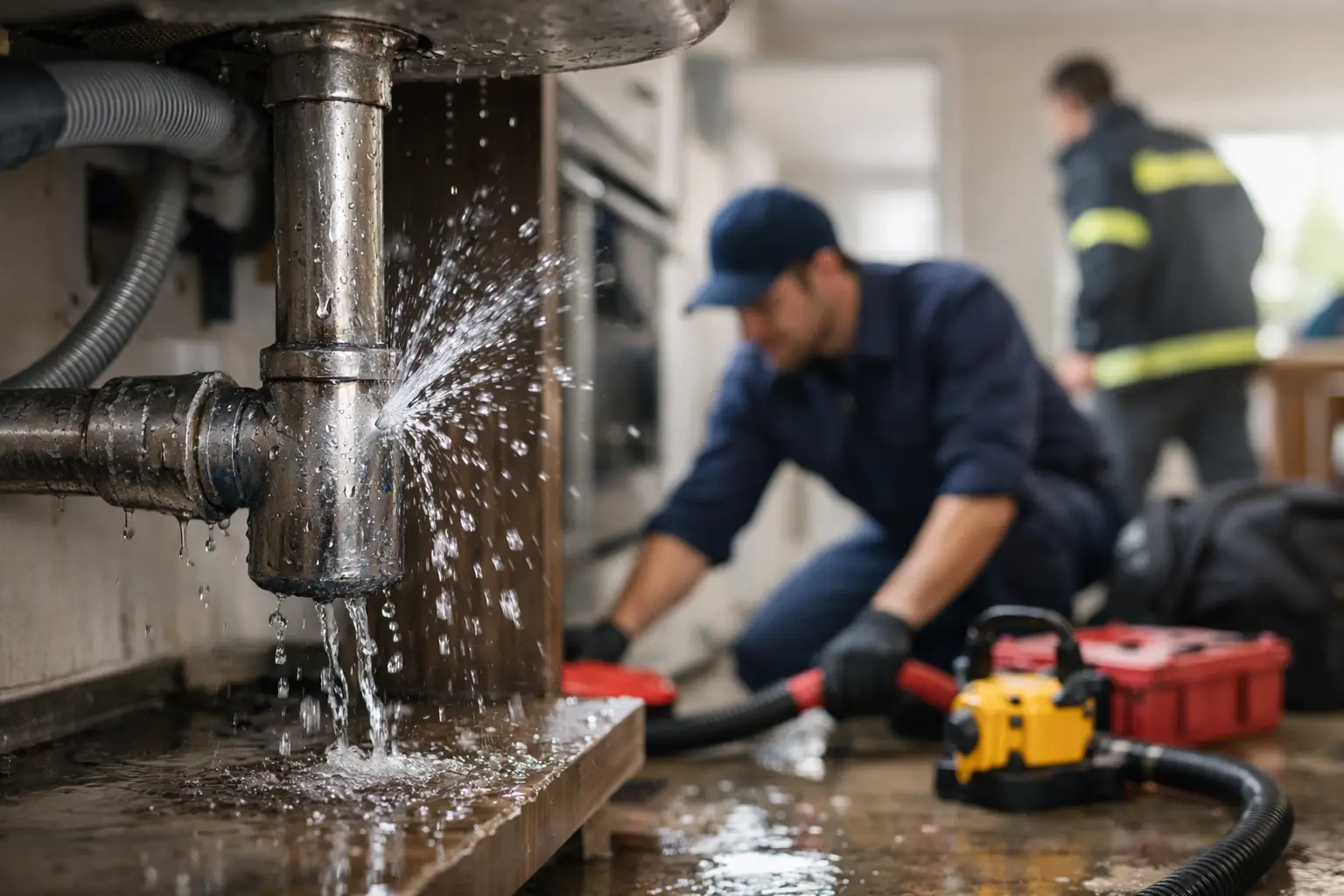
A pipe can burst behind a wall, under a sink, or in an unheated crawl space with almost no warning. When people search for burst pipes and fast response, they need more than general advice. They need to know how to stop the water, protect the property, and get a qualified plumber on the way before a small failure becomes a major restoration project.
For homeowners, landlords, and business owners on Cape Cod, winter weather is a common cause. But frozen lines are not the only concern. Aging pipe, excessive water pressure, corrosion, failed fittings, and an unnoticed leak can all lead to a sudden rupture. The right response in the first few minutes can greatly reduce damage to flooring, walls, inventory, electrical systems, and personal belongings.
Burst Pipes and Fast Response Start With the Water Shutoff
Your first priority is to stop the water flow. Do not spend time trying to locate the exact break if water is actively pouring into the building. Go straight to the main water shutoff valve if you know where it is.
In many homes, the main valve is near the water meter, where the service line enters the basement, utility room, crawl space, or mechanical closet. Some properties also have an exterior shutoff near the meter. Turn the valve clockwise until it stops. If you have a lever-style ball valve, turn the handle one quarter turn so it sits perpendicular to the pipe.
If the burst pipe is isolated to a sink, toilet, washing machine, or water heater connection, a nearby fixture valve may stop the immediate flow. Still, if you are unsure where the break begins or water is spreading, shut off the main supply. It is better to be without water for a short time than to allow water damage to continue.
Once the water is off, open a faucet on the lowest level of the building and then open a higher faucet. This helps relieve remaining pressure and drain water from the lines. If water has reached outlets, appliances, or electrical panels, avoid the area and shut off electricity only if you can do so safely without standing in water.
Protect the Property While Help Is on the Way
A professional repair addresses the pipe, but early cleanup helps limit the secondary damage that can follow a plumbing emergency. Move furniture, electronics, rugs, paperwork, and stored items away from wet areas. Use towels, buckets, a wet-dry vacuum, or a mop to collect standing water if conditions are safe.
Do not cut into ceilings or walls simply because you see a wet spot. Water can travel along framing and appear far from the actual break. A licensed plumber can help identify the source and determine whether access is needed for the repair. If a ceiling is sagging with water, stay out from underneath it. A saturated ceiling can fail unexpectedly.
Take photos and video of the affected area before extensive cleanup if possible. This can be useful for insurance documentation, especially when the damage involves finished rooms, flooring, cabinets, or commercial equipment. Keep receipts for emergency mitigation and repairs as well.
When a Burst Pipe Needs Emergency Plumbing Service
A small drip from a visible supply line may allow time for a scheduled repair after the water is shut off. A burst pipe does not. Call for emergency plumbing service when water is actively flowing, a pipe has split, a ceiling or wall is filling with water, or the shutoff valve does not fully stop the supply.
Fast service matters because a temporary patch is not always a reliable solution. Pipe damage can involve more than the visible split. Frozen pipes may have cracks elsewhere in the line. Corroded pipe can be thin and unstable along a longer section. A plumber needs to inspect the system, remove failed material, make a proper repair, and test the line before restoring water.
For a business, the decision is often even more time-sensitive. Water damage can disrupt operations, create slip hazards, affect tenant spaces, and damage equipment or inventory. Property managers should keep main shutoff locations clearly documented and make sure staff knows who to call after hours.
Why Pipes Burst on Cape Cod Properties
Freezing temperatures receive most of the attention, and for good reason. Water expands as it freezes. When ice blocks a pipe, pressure can build between the blockage and a closed faucet or fixture. The pipe may rupture at its weakest point, which is not always where the ice formed.
However, a burst can happen during any season. Older galvanized steel pipes may corrode from the inside. Copper can develop pinhole leaks. Plastic piping can fail at a fitting if it was installed improperly or subjected to stress. High water pressure can also put constant strain on valves, appliance hoses, and piping connections.
Vacation homes and seasonal properties deserve special attention. A building left unheated during a cold spell is at greater risk, particularly if pipes run through crawl spaces, exterior walls, garages, or uninsulated attic areas. Plumbing winterization may be the right choice for a property that will sit vacant, but it needs to be completed correctly. Simply turning down the thermostat is not a substitute for protecting vulnerable lines.
What a Professional Repair Should Include
The immediate repair should stop the leak and restore safe operation, but good emergency service also looks for the reason the failure occurred. Replacing one cracked section without checking for frozen branches, excessive pressure, or deteriorating pipe can leave you exposed to another emergency.
A licensed technician may isolate the damaged line, replace compromised pipe and fittings, inspect nearby sections, and pressure-test the repair. Depending on the cause, the next step might include insulating exposed pipes, repairing a failed shutoff valve, correcting water pressure, upgrading aging piping, or winterizing an unoccupied building.
There is a trade-off between the fastest possible temporary repair and a lasting repair. In some cases, a technician can stabilize the situation immediately and return for a larger repipe or wall-access repair after water damage restoration begins. In others, completing the permanent repair during the first visit is the most practical option. Fully stocked service trucks make that outcome more likely when the needed materials are available.
Prevent the Next Plumbing Emergency
The best prevention plan depends on the age and layout of your building. A newer home with a single exposed line may only need pipe insulation and better air sealing. An older property with recurring leaks may need a broader plumbing evaluation.
Before freezing weather arrives, disconnect and drain outdoor hoses, close interior shutoffs to exterior spigots when available, and protect pipes in unheated spaces. Keep interior temperatures consistent, including in rooms that are rarely used. Open cabinet doors beneath sinks along exterior walls during severe cold so warm indoor air can reach the plumbing.
Know the location of the main shutoff valve before there is an emergency. Label it clearly. If you manage a rental, restaurant, office, or other commercial property, include shutoff instructions in your emergency plan and make sure authorized staff can access the valve.
Durfee Plumbing & Heating LLC provides 24/7 emergency plumbing support for Cape Cod property owners who need prompt help with burst pipes, leaks, heating-related freeze risks, and related repairs. Licensed technicians can address the immediate failure while helping you understand what should be corrected to reduce the chance of another disruption.
A burst pipe is stressful, but the first steps are straightforward: stop the water, stay clear of electrical hazards, protect what you can, and call for qualified help. Preparing now by locating your shutoff valve and addressing vulnerable plumbing can make a difficult emergency far more manageable.