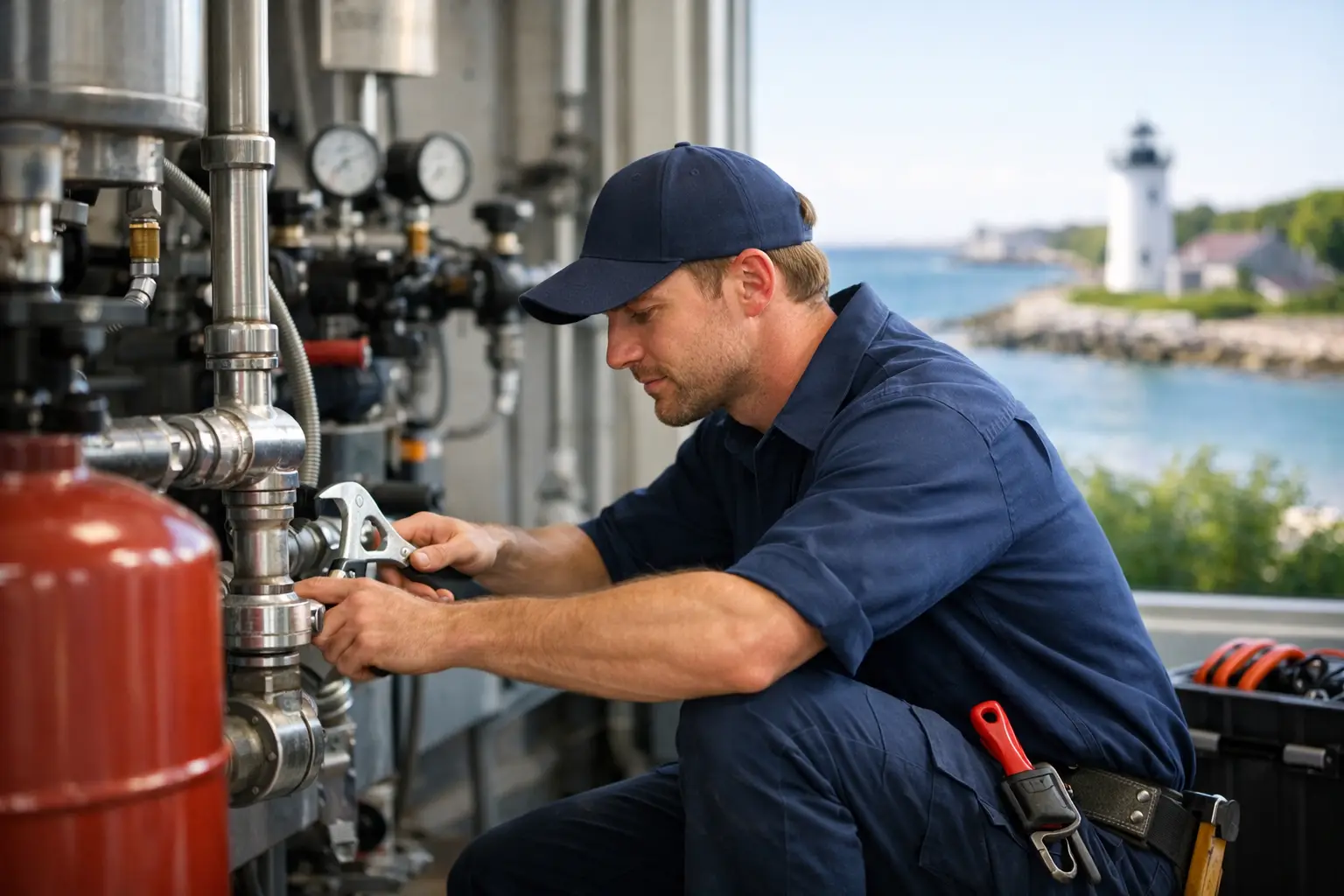
A backed-up restroom, leaking water heater, or failed kitchen drain can stop a business day fast. When you need a commercial plumber Falmouth MA property owners can rely on, the goal is not simply to fix a pipe. It is to protect employees, customers, equipment, inventory, and the ability to keep your doors open.
Commercial plumbing problems rarely arrive at a convenient time. A small leak behind a wall can become water damage before the next shift begins. A clogged main line can put restrooms out of service. In a restaurant, retail shop, office, rental property, or healthcare setting, delays can mean lost revenue and frustrated customers. Fast, licensed service makes a real difference.
When to Call a Commercial Plumber in Falmouth, MA
Some plumbing concerns are obvious emergencies. Water is spilling onto the floor, sewage is backing up, or a broken pipe is actively damaging the building. Others start quietly: a toilet that keeps clogging, a water bill that rises without explanation, slow drains during busy periods, or hot water that runs out sooner than it should.
Waiting can be expensive. Commercial systems often serve more fixtures, more people, and longer operating hours than a typical home. What looks like a minor issue at 8 a.m. may become a closure by lunchtime. Calling for service early can prevent a larger repair, reduce downtime, and help protect the property from avoidable damage.
A 24/7 plumbing provider is especially valuable when an issue cannot wait until business hours. If a water line bursts overnight, a drain backs up before a weekend event, or a water heater fails before opening, prompt response helps you regain control of the situation.
Commercial Plumbing Needs Are Different
A commercial plumbing system has one job: perform consistently under regular demand. That can mean employee restrooms in an office, multiple units in a managed property, handwashing stations in a food-service operation, or high-use fixtures in a public-facing business.
The repair itself may be straightforward, but diagnosing the cause requires experience. Repeated clogs, for example, could come from an isolated fixture, a damaged drain line, buildup deeper in the system, poor venting, or a main sewer issue. Replacing a fixture without addressing the underlying problem may only postpone the next service call.
Commercial work also requires attention to building layout, fixture volume, water-use patterns, local requirements, and the practical needs of the business. The right solution depends on the property. A retail storefront may need a quick repair with minimal disruption to customers. A property manager may need a lasting correction that reduces repeat tenant complaints. A restaurant may need drainage and hot water systems that can keep pace with peak service.
Problems That Should Not Be Put Off
A commercial property does not need a flood to need professional plumbing help. The following issues often warrant a prompt inspection:
- Recurring toilet clogs, gurgling drains, or sewer odors
- Water stains, damp ceilings, pooling water, or unexplained increases in water use
- No hot water, inconsistent water temperature, or a leaking commercial water heater
- Low water pressure affecting several fixtures or areas of the building
- Frozen pipes, damaged exterior lines, or plumbing concerns after a cold snap
- Gas line concerns, including suspected leaks or equipment installation needs
For any suspected gas leak, leave the area if necessary, avoid creating sparks or flames, and contact the appropriate emergency services and qualified professionals. Gas piping is not a do-it-yourself repair.
Fast Repairs Matter, but So Does the Right Repair
Speed matters when plumbing affects operations. Still, the fastest answer is not always the best long-term answer. A temporary repair may be the right choice when a business needs to reopen quickly and a larger replacement must be scheduled later. In other cases, repairing an aging component repeatedly can cost more than replacing it.
A dependable commercial plumber should explain what failed, what needs immediate attention, and what can reasonably be planned. Clear options help owners and managers make decisions based on urgency, budget, expected equipment life, and business hours.
For example, a water heater with a minor connection leak may only need a repair. A unit that is old, inefficient, corroded, and no longer meeting daily hot water demand may be a better candidate for replacement. The same thinking applies to drain lines, fixtures, pumps, and supply piping.
Preventive Maintenance Protects Operations
Emergency plumbing is sometimes unavoidable, but many disruptive failures give warning signs first. Routine maintenance gives a professional a chance to spot leaks, corrosion, worn valves, drainage issues, and water-heating concerns before they become urgent.
Maintenance plans should fit the building rather than follow a one-size-fits-all schedule. A busy restaurant or multi-tenant property may need more frequent drain attention than a small office. Seasonal properties on Cape Cod may also need plumbing winterization to protect vacant buildings from frozen pipes and expensive water damage.
A useful maintenance visit may include checking visible plumbing connections, testing fixtures, reviewing drain performance, inspecting water heaters, identifying signs of leaks, and discussing changes in the building's usage. If an issue is found, scheduling repairs during slower business hours can be far less disruptive than responding to a failure during peak operations.
Water Heating and Efficiency Upgrades
Hot water is essential for many commercial properties, from employee facilities to food preparation and cleaning operations. When a system is undersized or near the end of its service life, business owners have choices beyond replacing it with the same equipment.
Tankless water heaters, high-efficiency water heaters, and heat pump water heaters can be worth considering in the right application. The best choice depends on hot water demand, available space, electrical or gas capacity, installation requirements, and budget. A high-efficiency option may reduce operating costs, but it needs to be properly sized and installed to deliver the expected benefit.
Financing can make larger plumbing or mechanical upgrades more manageable, particularly when a replacement cannot be delayed. Available rebates and efficiency programs may also affect the final cost of eligible equipment. A qualified contractor can help you understand the practical trade-offs before work begins.
What to Expect From a Commercial Plumbing Partner
For business owners and property managers, confidence comes from knowing who will arrive, how quickly the issue can be assessed, and whether the technician has the tools and parts to act. Licensed, certified technicians and fully stocked trucks can reduce the chance that a simple repair turns into multiple days of waiting.
It also helps to work with one local company that can support both plumbing and related heating or HVAC needs. A building's systems affect each other. A water heater issue, gas connection, heating concern, or drain problem may require coordinated expertise rather than separate calls to multiple contractors.
At Durfee Plumbing & Heating LLC, commercial customers can count on responsive service, clear communication, and workmanship backed by a 1-year parts and labor warranty. Whether the need is an urgent repair, drain cleaning, water heater installation, gas line work, or a preventive maintenance plan, the focus stays on limiting disruption and protecting the property.
When a plumbing issue starts affecting your staff, tenants, customers, or daily operations, do not wait for it to become a shutdown. Addressing the problem early gives you more options, more control over scheduling, and a better chance of keeping business moving.