
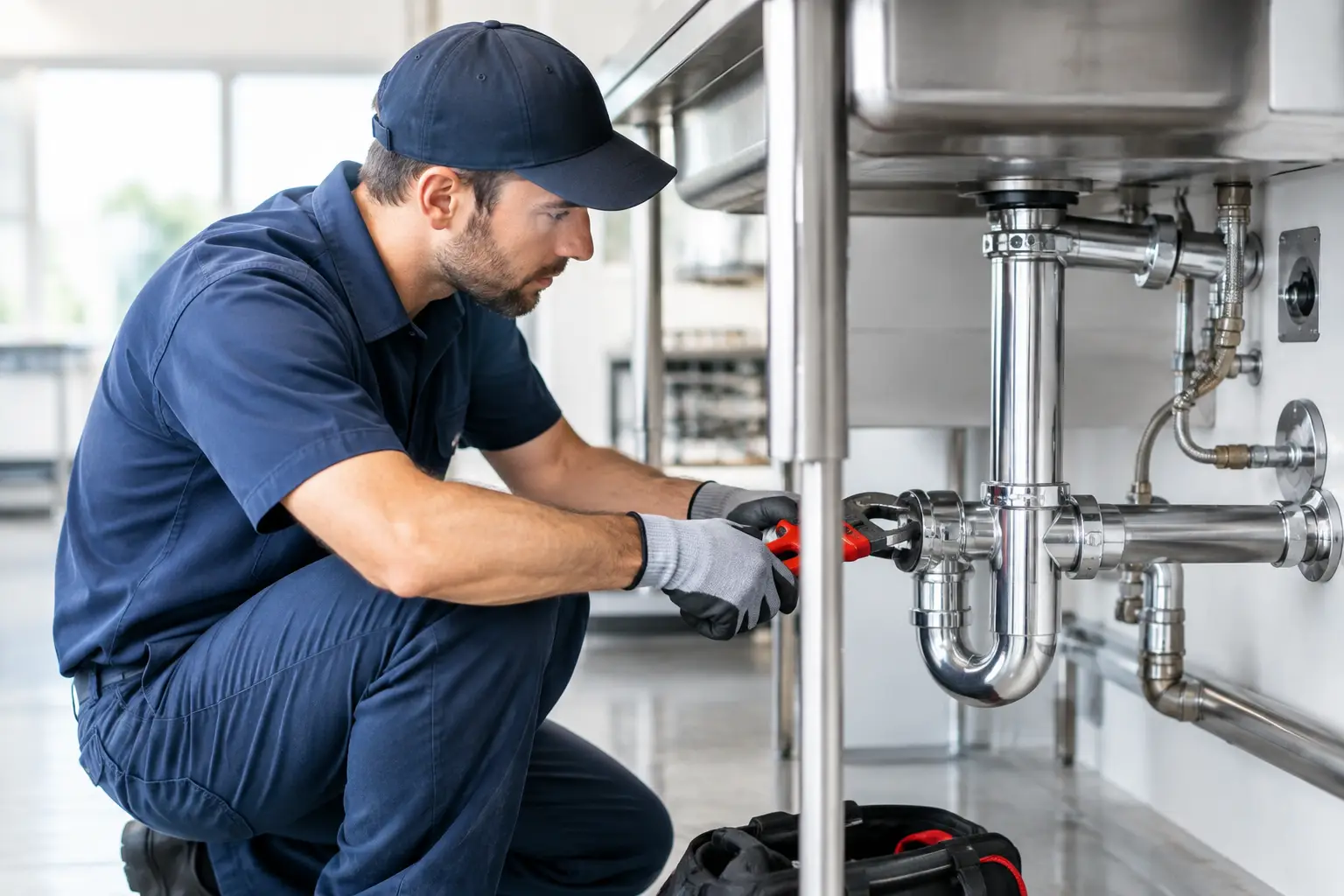
A backed-up restroom, a leaking water heater, or a frozen supply line can turn an ordinary business day into an expensive interruption. This guide to commercial plumbing maintenance helps property owners and managers prevent those disruptions, protect their buildings, and make informed repair decisions before a small issue becomes an emergency.
For Cape Cod businesses, maintenance is especially important. Seasonal occupancy changes, aging plumbing infrastructure, coastal moisture, and freezing winter temperatures can all put extra strain on pipes, drains, fixtures, and water-heating equipment. A practical maintenance plan keeps your operation moving while giving you a clearer picture of what needs attention now and what can be budgeted for later.
Why Commercial Plumbing Maintenance Matters
Commercial plumbing serves more people and works harder than residential plumbing. A restaurant kitchen, office restroom, retail space, medical facility, rental property, or lodging business may put hundreds of uses on the same toilets, sinks, drains, and water lines every day. That volume makes minor wear more likely to become a service issue.
The direct cost of a plumbing failure is only part of the problem. A clogged main drain can close restrooms. A hidden leak can damage ceilings, flooring, inventory, or tenant spaces. In a food service setting, drainage or hot-water problems can affect sanitation requirements and daily operations. For property managers, one failure can quickly become a tenant-relations issue.
Routine service does not eliminate every surprise. Pipes can still burst, valves can fail, and equipment can reach the end of its service life. But maintenance gives you a better chance to identify warning signs early, schedule work during slower hours, and avoid making major decisions under pressure.
A Guide to Commercial Plumbing Maintenance Priorities
A useful plan begins with the systems that can cause the greatest disruption: water supply lines, drainage, restrooms, water heaters, shutoff valves, and exterior plumbing. The right schedule depends on the building's age, occupancy, business type, and plumbing history. A small professional office has different needs than a busy restaurant or a multi-unit commercial property.
Inspect for leaks before damage spreads
Not every leak leaves a puddle on the floor. Check under sinks, around toilets, near water heaters, inside utility rooms, and below exposed piping. Look for water stains, peeling paint, musty odors, warped materials, corrosion, or unexplained moisture. These signs often point to a slow leak that has been active longer than anyone realizes.
Watch water bills, too. A sudden increase without a change in occupancy or business activity may indicate a running toilet, underground leak, damaged supply line, or malfunctioning equipment. Meter monitoring can be especially helpful for larger properties because it can reveal unusual water use before visible damage appears.
A dripping faucet is usually not an emergency, but a leak near electrical equipment, a ceiling leak, or water entering occupied areas deserves immediate attention. The difference is not just the amount of water. It is the potential for property damage, safety concerns, and interruption to customers or tenants.
Keep drains moving with preventive cleaning
Commercial drain problems rarely happen at a convenient time. Soap buildup, paper products, food waste, grease, hair, sediment, and mineral deposits can gradually narrow a drain line until it backs up. Once wastewater is coming up through a floor drain or restroom fixture, the issue has already moved beyond routine maintenance.
Drain cleaning frequency depends on what goes down the drain. Food service businesses may need more frequent attention for kitchen lines and grease-related buildup. Salons, gyms, lodging properties, and multi-restroom facilities often need planned service for hair, soap, and high-traffic use. An office with limited plumbing use may need less frequent cleaning, but it should not wait until a backup occurs.
Avoid relying on harsh chemical drain cleaners as a routine solution. They may not remove the actual blockage, can be unsafe for staff, and may contribute to pipe damage in some situations. Professional drain cleaning is designed to address the line condition, not simply create a temporary opening through the clog.
Test fixtures and shutoff valves
Every toilet, faucet, flush valve, urinal, and utility sink should be checked for proper operation. A toilet that runs between uses can waste a surprising amount of water. Weak flushes, recurring clogs, slow-filling tanks, loose fixtures, and faucets that will not fully shut off all deserve attention before they disrupt a restroom or raise operating costs.
Shutoff valves matter just as much, particularly in older commercial buildings. Staff and property managers should know where the main water shutoff is located and whether it operates. Local shutoffs at sinks, toilets, water heaters, and equipment should also be accessible and functional. During an active leak, a valve that cannot close may turn a manageable repair into extensive water damage.
Service water heaters and hot-water equipment
Reliable hot water is essential for many businesses. Depending on your operation, it may support restroom use, cleaning, laundry, food preparation, dishwashing, or tenant comfort. A commercial water heater that is making noise, producing inconsistent temperatures, leaking, or taking too long to recover should be evaluated promptly.
Maintenance commonly includes checking for corrosion and leaks, inspecting connections, evaluating the pressure-relief valve, and reviewing the condition of the tank or heating system. Sediment can be a concern, particularly where water conditions and equipment age contribute to mineral buildup. The best service approach depends on the heater type, manufacturer requirements, and the building's hot-water demand.
When replacement is approaching, do not assume the same equipment is automatically the right choice. A properly sized standard tank, tankless system, or heat pump water heater may offer different benefits depending on demand, available space, energy costs, and installation requirements. Planning ahead gives you time to compare options instead of replacing equipment after it fails.
Build a Seasonal Maintenance Schedule
Commercial plumbing maintenance works best when it follows the calendar rather than waiting for a crisis. In Cape Cod, winterization deserves special attention. Vacant seasonal spaces, exterior lines, unheated utility areas, and poorly insulated piping are vulnerable when temperatures drop.
Before winter, inspect insulation around exposed pipes, confirm that exterior hose connections are shut down properly, and address drafts near plumbing lines. If a building will be vacant or lightly occupied, establish who will monitor indoor temperatures and respond if an issue is reported. Frozen pipes can break after hours, so an early warning plan is often as valuable as insulation.
Spring is a good time to inspect for damage after freezing weather and heavy seasonal use. Check exterior fixtures, irrigation connections, sump or ejector systems where applicable, and areas that may have been inaccessible during winter. Before a busy summer season, lodging, restaurant, and retail properties should test restrooms, hot-water performance, drains, and employee access to emergency shutoffs.
A simple written maintenance record can make future decisions easier. Record service dates, drain issues, leak locations, equipment age, repairs completed, and recurring complaints. Over time, that history helps identify patterns, such as a line that clogs every few months or a water heater that is becoming unreliable.
Know When to Call for Professional Service
Your maintenance team can handle basic observation and reporting, but certain problems require a licensed plumbing professional. Repeated backups, sewer odors, water discoloration, low pressure throughout the building, hidden leaks, gas line concerns, and water-heater failures should not be treated as wait-and-see issues.
Call promptly if you notice wastewater backing up, water near electrical systems, a rapidly growing leak, a burst pipe, or loss of water service. If possible, shut off the affected water source and keep people away from the area until help arrives. For businesses that operate outside standard hours, access to 24/7 emergency plumbing service can limit downtime and damage.
It also helps to choose a service provider before the emergency occurs. Ask whether technicians are licensed, whether trucks carry common repair parts, what warranty coverage is provided, and how after-hours calls are handled. Those details can make a meaningful difference when a plumbing problem threatens your ability to stay open.
Turn Maintenance Into a Business Advantage
Commercial plumbing maintenance is not only about preventing trouble. It supports cleaner facilities, more predictable operating costs, better tenant and customer experiences, and fewer rushed capital expenses. The most effective plan is not necessarily the most complicated one. It is the one that matches your building, documents what is happening, and addresses issues before they interrupt your business.
For commercial properties across Cape Cod, Durfee Plumbing & Heating can help evaluate recurring plumbing concerns, plan preventive service, and respond when an urgent repair cannot wait. A well-maintained system gives you one less operational risk to manage - and more confidence that your doors can stay open when customers arrive.



