
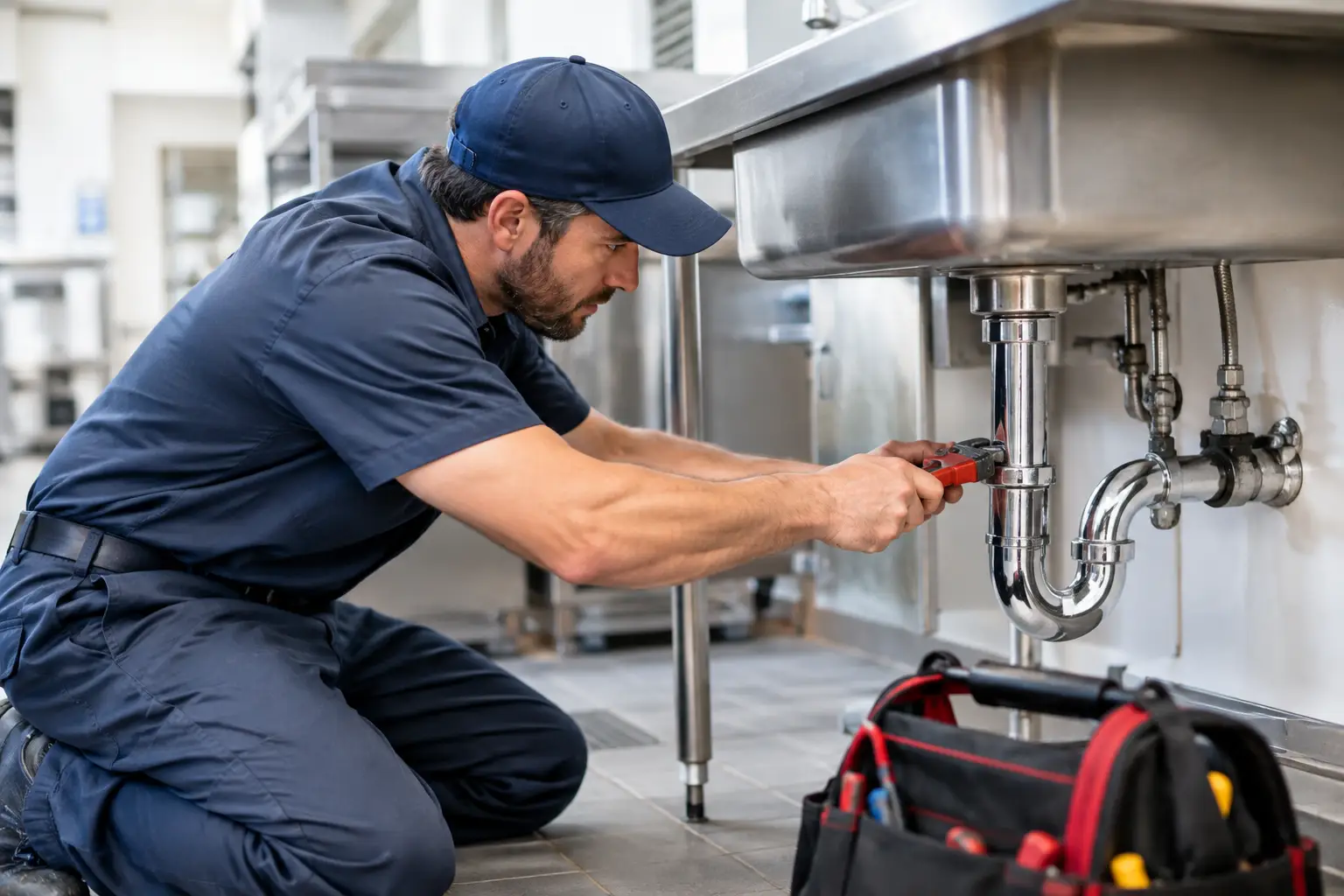
A leaking restroom line, failed water heater, or backed-up drain can quickly disrupt employees, tenants, customers, and daily operations. When you need a commercial plumber Plymouth MA business owners and property managers can count on, the priority is simple: find the cause, make a reliable repair, and limit downtime without cutting corners.
Commercial plumbing problems rarely happen at a convenient time. A restaurant may notice slow drains before a busy weekend. An office building may lose hot water just before the workday starts. A retail property may have a toilet overflow when the building is full. Fast service matters, but so does having a licensed technician who understands how commercial systems, occupancy demands, and local code requirements affect the repair.
When to Call a Commercial Plumber in Plymouth, MA
Some plumbing problems are obvious emergencies. Active water leaks, sewage backups, burst pipes, overflowing fixtures, and a complete loss of hot water need immediate attention. Delaying a repair can lead to water damage, sanitation concerns, lost revenue, and unhappy tenants or customers.
Other signs are less dramatic but deserve prompt service before they become a larger interruption. Repeated drain clogs, fluctuating water pressure, unexplained increases in water use, water stains, gurgling fixtures, or inconsistent hot water often point to a developing issue. A commercial plumber can assess whether the trouble is isolated to one fixture or connected to a drain line, water heater, pipe section, or building-wide plumbing concern.
For property managers, the right time to call is often before a tenant complaint becomes an emergency. A planned inspection or repair is typically easier to schedule, less disruptive, and more cost-effective than responding after a pipe fails or a restroom must be closed.
Commercial Plumbing Problems That Affect Operations
Commercial properties place different demands on plumbing than a typical home. More people use the fixtures, systems may run for longer hours, and even a small failure can affect multiple restrooms, suites, or work areas. The plumbing solution has to account for the building's use, not just the immediate symptom.
Drain and sewer line backups
Slow or blocked drains can shut down sinks, restrooms, floor drains, and food-service areas. Grease, soap buildup, paper products, debris, scale, and root intrusion can all contribute, depending on the property and the line involved. Professional drain cleaning identifies the blockage and restores flow without relying on repeated temporary fixes.
If backups keep returning, the underlying issue may be a damaged pipe, a poorly sloped line, heavy buildup, or an obstruction farther down the system. In those cases, clearing the drain is still useful, but the next step should be a clear recommendation for preventing another service disruption.
Water heater failures
Hot water is not optional for many commercial settings. Restaurants, salons, medical offices, gyms, multifamily properties, and workplaces with employee facilities all depend on consistent hot water. Signs of trouble include inadequate hot water, discolored water, unusual noises, leaks around the unit, or a heater that takes much longer than usual to recover.
The best replacement choice depends on the building's demand, available fuel source, installation space, and budget. A standard tank water heater may be the practical fit for one property, while a tankless or heat pump water heater may make more sense in another. Energy savings can matter, but capacity and reliability must come first.
Leaks, broken pipes, and fixture repairs
A small leak under a sink or behind a wall can waste water for weeks before it becomes visible. In a commercial building, leaks may damage finished areas, affect neighboring tenants, or create slip hazards. Broken shutoff valves, failing toilets, dripping faucets, damaged supply lines, and pipe leaks should be repaired with durable parts suited to the application.
For older properties, recurring leaks can be a sign that one repair at a time is no longer the most economical approach. A licensed plumber can help compare the cost of targeted repairs with replacement of worn sections, fixtures, or aging piping.
Gas piping and appliance connections
Commercial gas line work requires careful planning and qualified installation. Whether a property is adding equipment, replacing an appliance, or addressing a suspected gas line concern, the work must be completed safely and according to applicable requirements. If you smell gas or suspect a leak, leave the area and contact the appropriate emergency utility resource before scheduling repairs.
Fast Repairs Need the Right Preparation
Response time is important, but a fast arrival does not help much if the technician has to leave repeatedly for common parts or cannot diagnose the full issue. For commercial plumbing service, preparedness means arriving with the tools and materials needed for many first-visit repairs, then communicating clearly if the job requires specialized equipment, permits, additional parts, or a planned shutdown.
It also means working around your operation whenever possible. Some repairs can be completed during business hours with limited impact. Others, such as work affecting a main line, several restrooms, or a large water heater, may be better scheduled during off-hours. The correct approach depends on the severity of the problem, the building layout, and how essential the affected plumbing is to your business.
A dependable contractor should explain what failed, what was done to correct it, and whether there are conditions that could lead to future issues. Clear information helps business owners and managers make decisions without guessing.
Preventive Plumbing Service Protects Your Schedule
Emergency repairs cannot always be avoided, especially when a pipe fails unexpectedly. Still, many commercial disruptions begin with warning signs that maintenance can catch early. Periodic drain cleaning, fixture inspections, water heater checks, leak detection, and valve testing can reduce the chance of a surprise closure or after-hours call.
Maintenance is particularly valuable for high-use properties. A busy restaurant may need a different drain-cleaning schedule than a small professional office. A multifamily building may need closer attention to common-area plumbing and water heaters. Seasonal properties should also consider winterization and startup service to protect plumbing during periods of low occupancy and freezing temperatures.
The goal is not to replace equipment before it is necessary. It is to understand its condition, address manageable issues early, and plan larger repairs or replacements before they become urgent. That gives you more control over timing and budget.
What to Look for in a Commercial Plumbing Partner
Commercial clients need more than a one-time repair provider. They need a plumbing company that can respond when something fails and provide practical guidance when it is time to maintain, repair, or upgrade a system.
Look for licensed and certified technicians, 24/7 emergency availability, and experience across plumbing, heating, and HVAC needs. A provider with broad technical coverage can be especially helpful when a plumbing issue overlaps with hot water, heating equipment, or building comfort concerns. Ask about warranty coverage, financing for larger projects, and whether the team carries commonly needed parts for efficient repairs.
Local experience also matters. A contractor familiar with Plymouth and southeastern Massachusetts understands the demands that older buildings, seasonal occupancy, freezing weather, and coastal conditions can place on plumbing equipment. Durfee Plumbing & Heating provides commercial plumbing support with licensed service, stocked trucks, and responsive scheduling for businesses and property managers who need the work handled professionally.
Keep Small Plumbing Issues From Becoming Business Interruptions
If a fixture is leaking, drains are slowing down, hot water is inconsistent, or your property has experienced repeated plumbing repairs, do not wait for the next major failure. Addressing the issue while the building is still operating normally gives you more options and helps protect the people who rely on your property every day.
The right commercial plumbing service should leave you with more than a working pipe or cleared drain. It should give you confidence that the repair was completed correctly and a clear path forward for keeping your business open, safe, and ready for the next day.



