
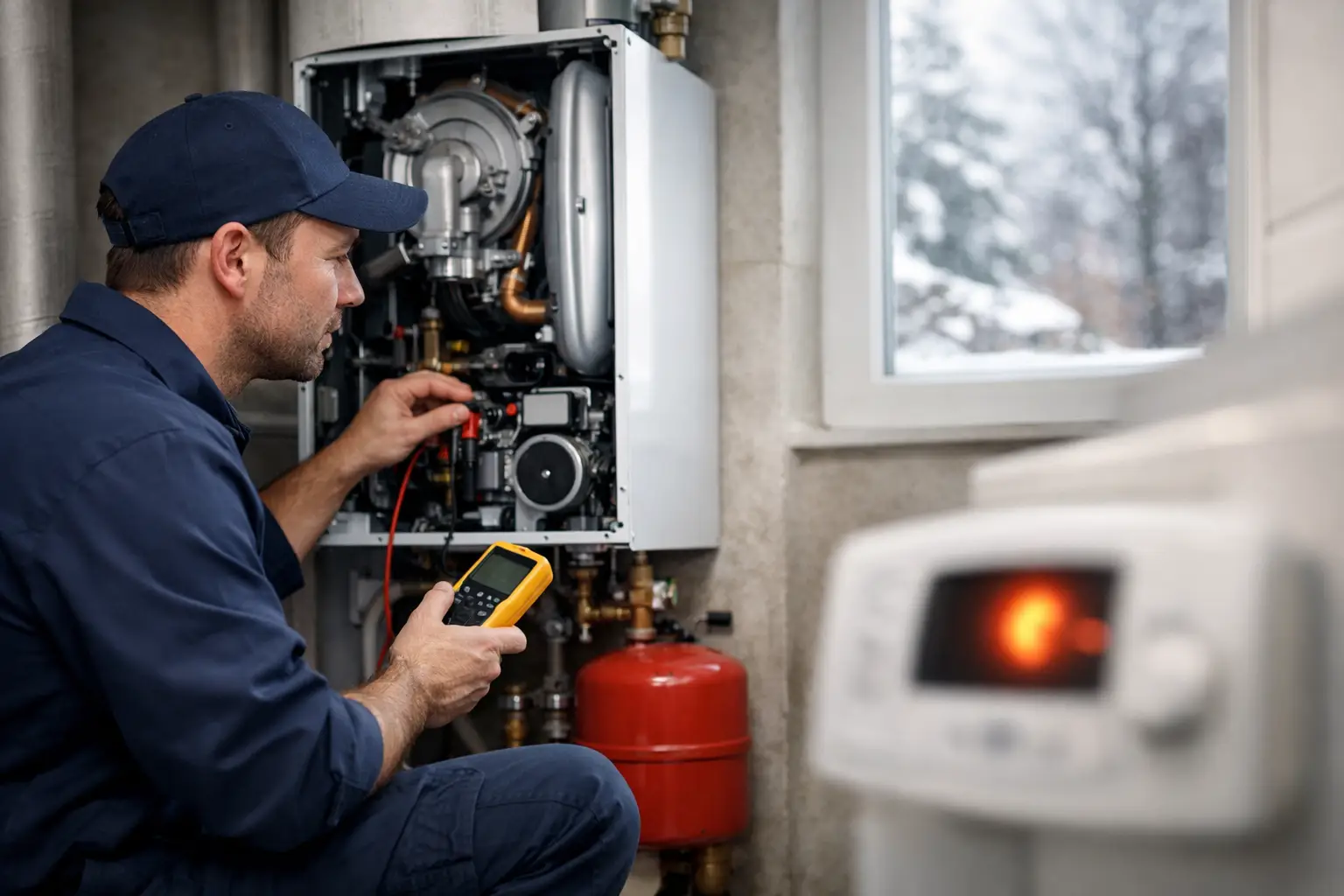
A cold house on a Barnstable winter morning is not a problem to put off until business hours. Whether your boiler has stopped producing heat, is leaking water, or is making a sound it never made before, prompt boiler repair Barnstable MA homeowners can depend on helps protect comfort, prevent property damage, and keep a small failure from becoming a larger repair.
Boilers are durable systems, but they work under pressure, circulate hot water through your home, and often rely on gas, oil, electrical controls, and venting to operate safely. A quick reset may occasionally solve a minor interruption. Repeated shutdowns, low pressure, leaks, or combustion concerns need a licensed heating professional to identify the real cause.
Know When a Boiler Problem Is Urgent
Some boiler issues are inconvenient. Others require immediate action. If you smell gas, hear a hissing sound near a gas line, or a carbon monoxide alarm sounds, leave the building, avoid switches and open flames, and call 911 or your gas utility from a safe location. Do not try to diagnose or restart the boiler.
A major water leak also deserves fast attention. Turn off the water supply to the boiler if you can do so safely, move valuables away from the area, and call for service. Water can damage floors, walls, electrical components, and nearby equipment quickly.
Other warning signs may not require evacuation, but they should not be ignored. These include no heat, inconsistent heat from room to room, boiler pressure that keeps dropping, visible rust or corrosion, water pooling below the unit, unusual banging or whistling, and frequent lockouts. If your boiler is running but the house is still cold, the problem may be in the circulator pump, zone valve, thermostat, piping, air trapped in the system, or the boiler itself.
What to Check Before Calling for Boiler Repair
A few basic checks can save time without putting you at risk. First, confirm the thermostat is set to heat and the temperature setting is above the current room temperature. If it uses batteries, replace them. Then check that the boiler's electrical switch and circuit breaker are on.
Look at the boiler display or indicator lights and write down any error code. Check whether the fuel supply is available. For an oil-fired system, confirm you have oil. For a gas boiler, do not touch gas valves or attempt to relight equipment if you smell gas.
If the boiler's pressure gauge is clearly below the normal range shown in the owner's manual, do not keep resetting the system to force it to run. Low pressure can point to a leak, a failed expansion tank, an air issue, or a pressure-relief problem. Likewise, a relief valve that is dripping is a service call, not a valve to cap or plug.
Avoid taking panels off, bypassing safety controls, or repeatedly pressing the reset button. One reset after a brief power interruption can be reasonable on some systems. Multiple resets can mask a developing fault and may create additional damage.
Common Causes of Boiler Breakdowns
The cause of a boiler failure depends on the equipment type, age, maintenance history, and symptoms. A trained technician tests the complete system rather than replacing a part based on a guess.
Circulation and Zone Problems
Hot water boilers depend on circulator pumps, zone valves, piping, and controls to move heat through the building. A failed circulator may leave the boiler hot while baseboards or radiators stay cold. A stuck zone valve can make one section of a home uncomfortable while other rooms heat normally.
Air in the lines can cause gurgling sounds and cool spots in radiators or baseboards. The proper fix may involve bleeding air, correcting pressure, checking an automatic air vent, or finding why air is entering the system in the first place.
Pressure, Leaks, and Expansion Tank Failures
A boiler's pressure should remain within its specified operating range. Pressure that rises too high can cause the relief valve to discharge water. Pressure that falls repeatedly may indicate a hidden leak, a faulty valve, or an expansion tank that has lost its charge.
Even a small leak matters. It introduces fresh water into a closed heating system, which can accelerate internal corrosion over time. Finding the source early is usually less disruptive than waiting for a pipe fitting, valve, or component to fail completely.
Ignition, Burner, and Control Issues
Gas and oil boilers need clean, reliable combustion and properly operating safety controls. A faulty igniter, flame sensor, burner component, transformer, fuel delivery issue, or control board can prevent startup or cause repeated shutdowns.
These repairs require more than getting the unit to fire again. A qualified technician should verify safe operation, venting, combustion performance where applicable, and the condition of the related components. Reliable heat starts with safe heat.
Mineral Buildup and Aging Parts
Kettling, rumbling, or whistling can occur when mineral buildup restricts water flow through the heat exchanger. Older systems can also develop worn pumps, deteriorated wiring, corroded fittings, and inefficient controls. The exact repair depends on the boiler's condition. A noisy system is not always near the end of its life, but it is worth evaluating before the next cold stretch.
Why Local Experience Matters for Barnstable Boilers
Cape Cod homes present a wide mix of heating setups. A technician may encounter a newer high-efficiency gas boiler in one home, an oil-fired boiler serving baseboard zones in another, or a commercial system that cannot be down during operating hours. Seasonal homes also face unique risks when a heating issue develops while the property is vacant.
A local heating team understands that response time matters when outside temperatures drop. It also helps to work with technicians who arrive prepared to handle common repair needs instead of making a preliminary visit only to order basic parts. Fully stocked trucks can often shorten downtime, although specialized parts for older or uncommon models may still need to be sourced.
Durfee Plumbing & Heating provides 24/7 heating response across Barnstable and Cape Cod, with licensed, certified technicians who can assess boiler problems, explain the repair clearly, and work toward restoring heat as quickly as possible.
Repair or Replace: How to Make the Right Call
A repair is often the sensible choice when the boiler is relatively young, the issue is isolated, replacement parts are available, and the unit has been maintained. Replacing a failed circulator pump or control component can be far more practical than replacing an entire system.
Replacement becomes worth discussing when repairs are frequent, the heat exchanger is compromised, the boiler is inefficient, or the equipment is near or beyond its expected service life. The right answer is not based on age alone. A well-maintained older boiler may still have useful life, while a neglected newer boiler can have costly underlying problems.
Consider the full picture: repair cost, fuel usage, expected reliability, comfort issues, available rebates, and your plans for the property. High-efficiency boiler upgrades and heat pump options may qualify for Mass Save incentives depending on the equipment and project requirements. Financing can also make a planned replacement more manageable when an emergency failure exposes the need for a larger investment.
Reduce the Odds of a Midwinter Failure
Annual maintenance is one of the most practical ways to protect a boiler. Service before the heavy heating season gives a technician time to inspect burners, controls, pumps, venting, pressure, safety devices, and visible piping. It can also identify small leaks or weak components before they stop the system on a cold day.
Homeowners can help between appointments by keeping the boiler area clear, watching for drips or changes in pressure, replacing thermostat batteries as needed, and scheduling service when new noises or uneven heating appear. Do not store paint, gasoline, boxes, or other combustible materials near heating equipment.
For vacant or seasonal properties, winterization planning is just as important as the boiler itself. A heating failure can lead to frozen pipes and extensive water damage if no one is available to notice the temperature drop. Remote temperature monitoring and a clear emergency contact plan offer added peace of mind.
Get Heat Restored Safely
When a boiler quits, the goal is not simply to make the error message disappear. The goal is to restore safe, dependable heat and understand what caused the interruption. Share the boiler make and model, the symptoms you noticed, any error code, and whether the home has heat in any zones when you call for service. That information helps the technician arrive ready to solve the problem.
If your system is showing warning signs now, address them before the next cold night turns a repair into an emergency. A timely professional evaluation can protect your home, your comfort, and your heating budget.



