A cooling system rarely fails at a convenient time. If you are searching for a replacement air condioner Hyannis MA homeowners can depend on, the immediate goal is getting comfortable again. The better long-term goal is choosing equipment that fits your home, handles Cape Cod humidity, and does not leave you with high electric bills or uneven temperatures room to room.
An air conditioner replacement is a significant home investment, but it does not have to be confusing. A qualified HVAC technician can assess the existing system, explain your practical options, and install a properly sized unit so you get reliable cooling when summer weather arrives.
When Is It Time to Replace Your Air Conditioner?
Age alone does not decide whether an air conditioner should be replaced. A well-maintained system may continue operating for years, while a neglected system can develop major problems much sooner. Still, most central air conditioners become less efficient and more repair-prone as they approach 12 to 15 years of service.
Frequent repair calls are one of the clearest signs that replacement deserves consideration. A single worn capacitor or clogged drain line can be a sensible repair. Replacing a compressor, repairing a major refrigerant leak, or addressing recurring electrical failures on an older unit may not be the best use of your money.
Pay attention to how the system performs, not just whether it turns on. Your AC may be nearing the end of its useful life if it runs constantly without reaching the thermostat setting, leaves certain rooms hot and sticky, makes new grinding or rattling noises, or causes electric bills to climb without a clear reason. Poor humidity control also matters. In Hyannis, a system that cools the air but fails to remove moisture can leave your home uncomfortable even at a lower temperature.
Older equipment may also use refrigerants that are increasingly costly or difficult to service. When a major refrigerant issue occurs, a technician can help you compare the repair cost against the value and efficiency of a new system.
Choosing a Replacement Air Conditioner in Hyannis, MA
The best replacement is not automatically the largest unit or the highest-efficiency model available. Cooling equipment has to match the home. An oversized air conditioner can cool the space too quickly, shut off before removing enough humidity, and cycle on and off more often than it should. An undersized unit may run for long stretches, struggle on hot afternoons, and wear down prematurely.
A professional evaluation should consider more than square footage. Insulation levels, window placement, sun exposure, ceiling height, duct condition, occupancy, and the layout of the home all affect cooling needs. Cape homes also vary widely. A compact year-round ranch, a renovated historic home, and a seasonal multi-level property may require very different solutions.
Central Air, Ductless Mini Splits, or a Heat Pump?
If your home already has usable ductwork, a new central air conditioner can be a straightforward choice. It can deliver even cooling throughout the house and work with an existing forced-air setup when the duct system is properly designed and sealed.
Ductless mini splits are often a strong option for additions, converted attics, rooms with persistent hot spots, and homes without ducts. Each indoor unit can be controlled independently, which can reduce cooling in unused spaces and improve comfort where it is needed most.
Many homeowners also consider an air-source heat pump. A heat pump provides efficient air conditioning in summer and can provide heating during cooler weather. Depending on the equipment and the project details, high-efficiency options may qualify for available Mass Save incentives. Eligibility, rebate amounts, and system requirements can change, so it is wise to confirm current program details before making a final decision.
The right choice depends on your home, your existing heating system, your budget, and whether you want cooling only or year-round heating and cooling support. A clear estimate should explain those trade-offs rather than pushing one solution for every property.
Efficiency Ratings Matter, but Installation Matters More
Efficiency ratings are useful, especially when replacing a system that is more than a decade old. Higher-efficiency equipment can lower operating costs, but the savings depend on proper installation, your thermostat habits, insulation, and how hard the system works during the season.
A high-rated unit installed with incorrect refrigerant charge, undersized return air, leaky ducts, or poor airflow will not perform as intended. That is why the installation process is as important as the brand name on the outdoor unit.
For many homeowners, the most practical approach is to compare a few properly sized options. Consider the upfront equipment cost, expected utility savings, warranty coverage, repair history of the existing system, and financing availability. The highest-priced system is not always the right fit, but choosing solely on the lowest quote can create problems if essential installation work is excluded.
What a Professional AC Replacement Should Include
A replacement project should begin with an on-site assessment and a conversation about the comfort issues you want to solve. The technician should inspect the existing equipment, electrical connections, condensate drainage, refrigerant lines, and accessible ductwork. If your home has airflow issues, those need to be addressed before a new system is expected to fix them.
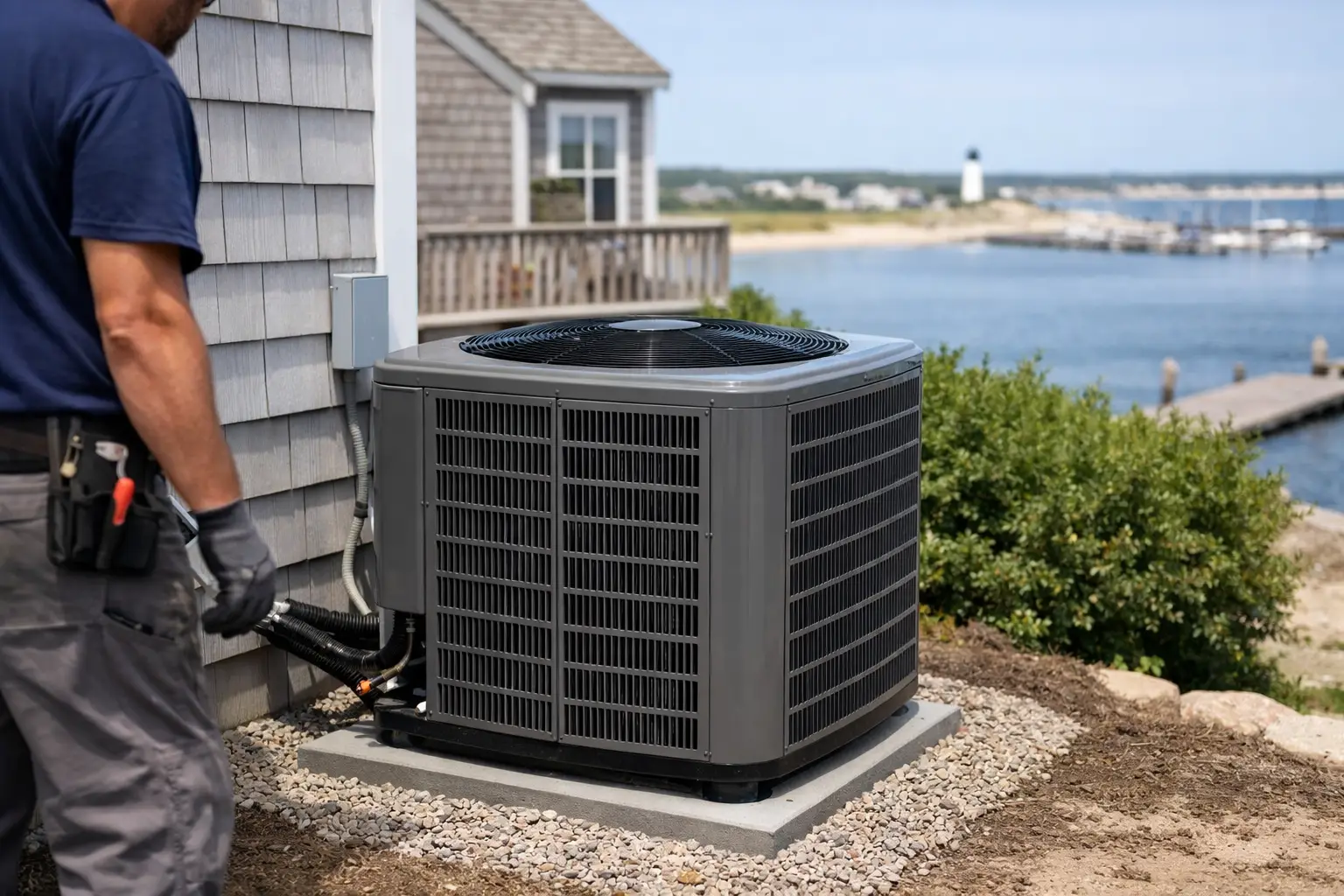
A complete installation commonly includes removing the old equipment, setting and connecting the new indoor and outdoor components, making needed electrical and refrigerant connections, testing drainage, and starting the system according to manufacturer requirements. The crew should verify operation, check temperatures and airflow, and show you how to use the thermostat and maintain the equipment.
If ducts are dirty, damaged, poorly sealed, or improperly sized, replacement may be the right time to correct them. New equipment cannot overcome major duct problems on its own. In some homes, targeted duct repairs or duct cleaning can improve the performance of the replacement system and help keep conditioned air moving where it belongs.
Plan Before the Next Heat Wave
Waiting until the air conditioner has completely failed can limit your choices. During an emergency, homeowners may need the fastest available solution rather than the system they would have selected with time to compare options. If your AC is older, noisy, or showing signs of reduced performance, scheduling an evaluation before peak summer heat can make the process less stressful.
There are also a few steps worth taking before the appointment. Make note of rooms that are too warm, recent repair invoices, unusual utility bills, and any times when the system freezes up, leaks water, or trips a breaker. Those details help a technician identify whether the issue is equipment failure, airflow, thermostat control, drainage, or another problem that should be resolved as part of the replacement.
For rental properties and commercial spaces, planning is especially valuable. A cooling failure can affect tenants, customers, staff, inventory, and daily operations. A replacement plan that accounts for access, operating hours, equipment location, and temporary comfort needs can reduce disruption.
Protecting Your New Cooling System
Once a replacement is installed, basic maintenance makes a real difference. Replace or clean filters on schedule, keep vegetation and debris away from the outdoor unit, and do not close too many supply vents in an effort to redirect air. Restricted airflow can reduce efficiency and contribute to avoidable repairs.
Annual professional maintenance is also worthwhile. A technician can check electrical components, refrigerant performance, drainage, coils, and overall system operation before a small issue becomes a mid-season breakdown. Regular service supports efficiency, comfort, and manufacturer warranty requirements.
When your current AC is no longer keeping up, a properly planned replacement can make your home quieter, drier, and more comfortable through the summer. Durfee Plumbing & Heating can help Hyannis homeowners review their options, understand the installation scope, and move forward with licensed service backed by a 1-year parts and labor warranty.