A Chatham summer can turn an aging air conditioner from a minor inconvenience into a real disruption. If you have been searching for “replacement air condioner chatham ma,” chances are your current system is struggling to keep up, repair costs are adding up, or you are planning ahead before it fails during a heat wave. A properly sized, professionally installed replacement can restore dependable comfort while helping control energy use.
Replacing an air conditioner is not simply a matter of choosing the largest unit available. Cape Cod homes vary widely, from older cottages with limited ductwork to year-round homes with additions, finished basements, and rooms that always seem warmer than the rest. The right system depends on the house, its layout, and how you use it.
When Is an Air Conditioner Ready for Replacement?
Most central air conditioning systems last roughly 12 to 15 years, although maintenance history, salt air exposure, installation quality, and usage all affect that timeline. Age alone does not require replacement, but an older unit deserves a closer look when performance starts to change.
Frequent breakdowns are one of the clearest warning signs. A single repair may be worthwhile, especially if the system is otherwise in good condition. But if you are calling for service repeatedly, facing a major compressor or refrigerant repair, or noticing that the unit still cannot cool the home evenly after repairs, replacement may be the more practical long-term choice.
Higher electric bills can also point to declining efficiency. Air conditioners lose capacity over time, particularly when coils are dirty, airflow is restricted, or components are worn. You may notice longer run times, weak airflow at registers, unusual noise, indoor humidity that will not come down, or certain rooms that never reach the thermostat setting.
If your system uses older R-22 refrigerant, replacement is often worth serious consideration. R-22 is no longer produced or imported for new use in the United States, making refrigerant-related repairs more expensive and less predictable. A technician can explain whether a repair makes sense for the current season or whether putting that money toward a new system is the better move.
Choosing a Replacement Air Conditioner in Chatham, MA
The best replacement starts with an in-home evaluation, not a quick estimate based on the old equipment’s nameplate. An existing system may have been oversized, undersized, or installed before insulation, windows, or living space changed. Replacing it with the same capacity without reviewing the home can repeat the same comfort problems.
A qualified HVAC professional should consider square footage, ceiling height, insulation, window exposure, duct condition, occupancy, and rooms that are consistently too hot or too cool. Proper sizing matters because an oversized air conditioner may cool quickly but shut off before removing enough humidity. An undersized system may run continuously on hot days without delivering the comfort you expect.
Central Air or a Ductless Mini Split?
For homes with usable ductwork, a central air conditioner can be a strong option. It cools the entire house through existing supply registers and can often work with compatible heating equipment. If ducts are leaking, undersized, dirty, or poorly balanced, those issues should be addressed as part of the project. New equipment cannot fully overcome poor airflow.
A ductless mini split may be a better fit for a home without ductwork, an addition, a converted attic, or a space that needs independent temperature control. These systems use compact indoor units and outdoor equipment to provide efficient cooling without major duct installation. They can also provide heating, which is useful for shoulder seasons on Cape Cod.
The right answer depends on the property. Central air may offer a more familiar whole-home solution, while ductless equipment can provide targeted comfort and flexibility. A professional assessment helps you compare the upfront cost, appearance, operating efficiency, and long-term comfort of each option.
Efficiency Is More Than a SEER Rating
Efficiency ratings are useful, but they are only part of the decision. Higher-efficiency equipment can lower operating costs, but it usually has a higher initial price. The value depends on how long you expect to stay in the home, how often you use air conditioning, your budget, and whether available rebates or financing improve the numbers.
Installation quality has a major effect on real-world performance. Correct refrigerant charge, electrical work, condensate drainage, airflow, and thermostat setup all matter. A high-efficiency unit installed incorrectly can waste energy and develop avoidable problems. Licensed, certified technicians should verify the full system rather than treating the outdoor unit as a stand-alone replacement.
What to Expect During Air Conditioner Replacement
A replacement project begins with a review of your existing equipment and comfort concerns. Be ready to explain what has changed: rooms that do not cool well, moisture problems, rising bills, noise, or recurring repairs. Those details help identify whether the issue is equipment capacity, ductwork, controls, insulation, or a combination of factors.
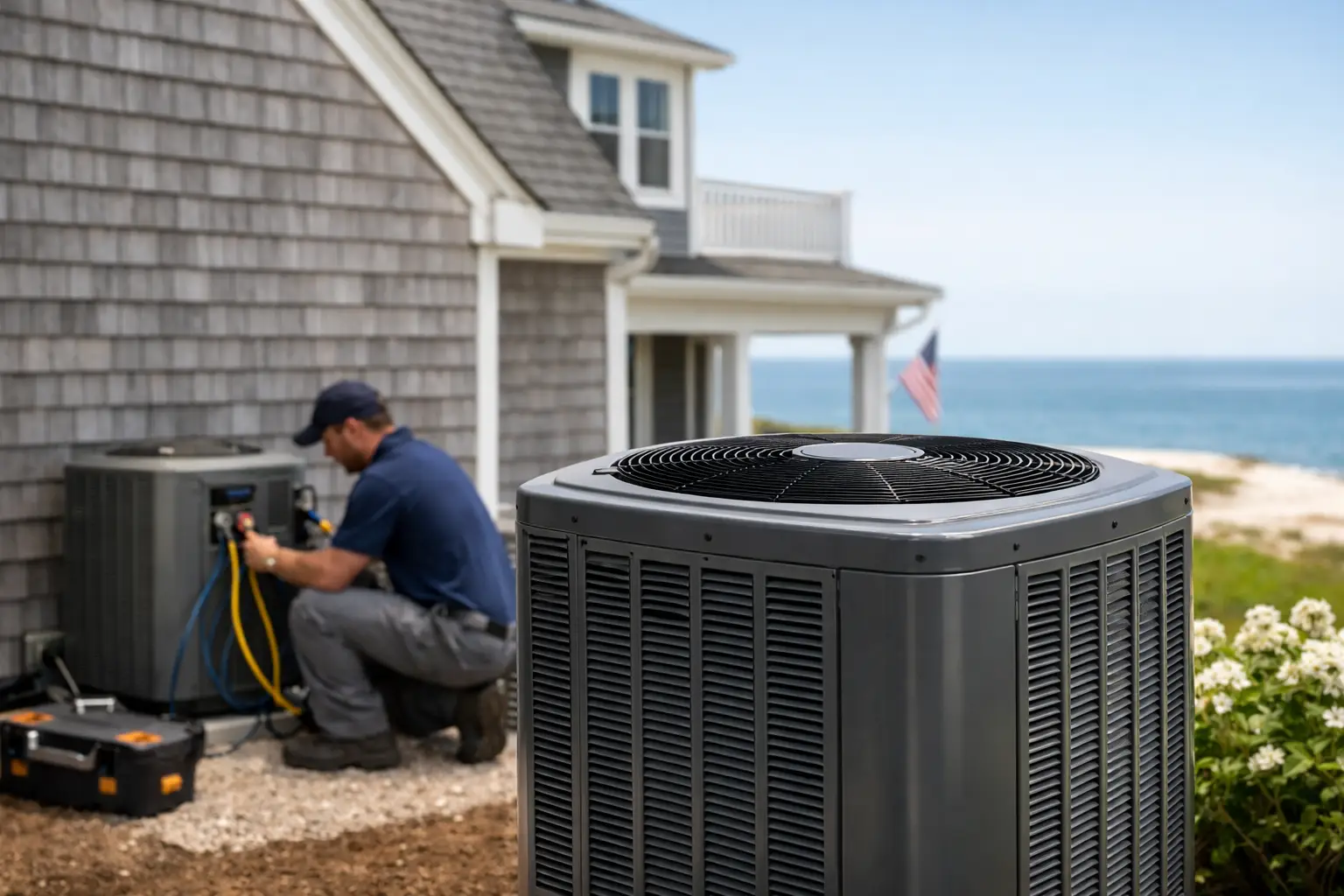
Once the system is selected, the installation team will remove the old equipment, set the new outdoor condenser and indoor components, connect electrical and refrigerant lines, and test operation. Depending on the scope of the job, they may also update the thermostat, add or modify duct connections, and confirm that the condensate drain is working correctly.
Most straightforward replacements can be completed in a day, but a project can take longer if it includes duct repairs, electrical upgrades, a new indoor air handler, or a switch from central air to ductless equipment. A clear estimate should explain what is included so there are no surprises about equipment, permits, accessories, or disposal of the old system.
After installation, the system should be tested in cooling mode and the controls explained. Ask how often filters should be changed, where the disconnect is located, and what maintenance is recommended. Keep the paperwork, model numbers, and warranty information in a safe place. Durfee Plumbing & Heating provides a 1-year parts and labor warranty, giving customers added confidence after a major HVAC investment.
Do Not Wait for a Complete Breakdown
It is easy to put off replacement while an older unit is still running. But planning before the system fails gives you more control over the decision. You have time to compare options, consider efficiency levels, review financing, and schedule work around your household or business needs instead of making a rushed choice during the hottest week of summer.
For property managers and commercial clients, early planning is especially valuable. A failed cooling system can affect tenants, employees, inventory, and customer comfort. Replacing aging equipment during a planned window can reduce downtime and make budgeting more predictable.
If the air conditioner quits unexpectedly, prompt service still matters. A technician can diagnose the issue, explain whether repair is appropriate, and help you avoid spending heavily on a system near the end of its useful life. Fully stocked service trucks can also make a difference when a repair is possible and immediate cooling is the priority.
Keep the New System Running Dependably
A new air conditioner should not be forgotten once the installation is complete. Change filters on schedule, keep the outdoor unit clear of leaves and vegetation, and avoid blocking indoor vents with furniture or curtains. Annual professional maintenance helps keep coils clean, confirms safe electrical operation, checks drainage, and catches small issues before they become summer breakdowns.
Pay attention to changes in comfort. New rattling, short cycling, water around indoor equipment, weak airflow, or a sudden increase in utility costs deserves a service call. Quick attention can protect the equipment and keep a minor issue from becoming an inconvenient outage.
A replacement air conditioner should give you more than cold air. It should provide steady comfort, manageable energy costs, and confidence that your home or business is ready when Chatham temperatures climb. Schedule an evaluation before the old system makes the decision for you.