
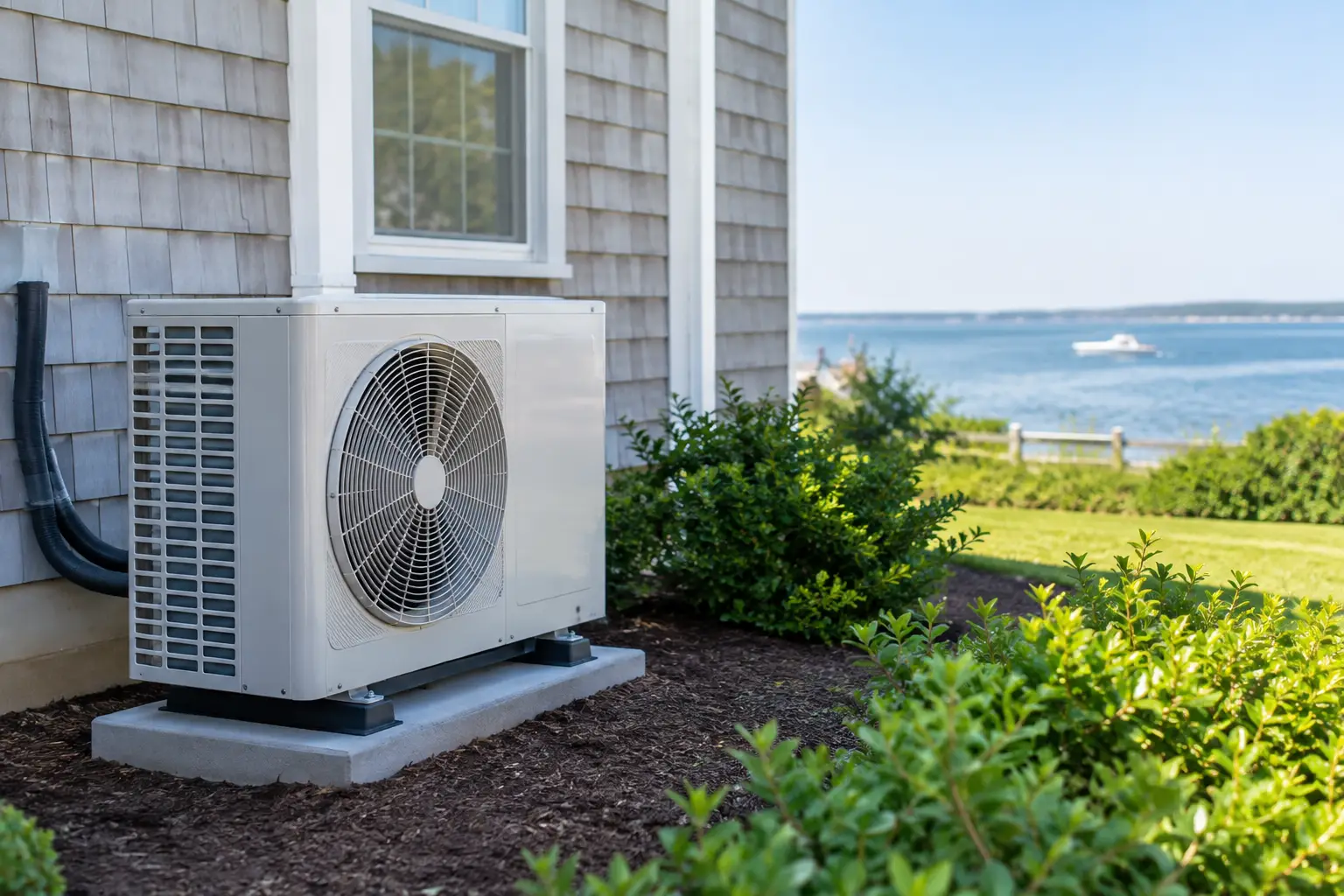
A heat pump installation in Hyannis, MA is not simply a replacement for an aging furnace or air conditioner. It is a year-round comfort decision shaped by Cape Cod's damp winters, humid summers, coastal air, and the layout of your home or business. The right system can provide efficient heating and cooling from one unit. The wrong size, poor placement, or rushed installation can leave you with uneven temperatures, higher operating costs, and a system that works harder than it should.
For homeowners, property managers, and commercial property owners, the goal is straightforward: dependable comfort without unnecessary disruption or surprise costs. That starts with a proper evaluation, clear equipment options, and licensed installation work.
Why Heat Pumps Work Well in Hyannis
Modern heat pumps move heat rather than create it through combustion. In cooling mode, they pull heat from indoors and move it outside. In heating mode, they reverse that process, drawing available heat from outdoor air and bringing it inside. Even when the outdoor temperature feels cold, there is still usable heat in the air.
That makes a heat pump a practical fit for many Cape Cod properties. Hyannis does not experience the prolonged deep-freeze conditions found farther inland, but winter weather can still be wet, windy, and raw. A properly selected cold-climate heat pump can maintain efficient performance through the temperatures homeowners see here most often.
Heat pumps also solve a common comfort problem in older homes: rooms that are always too warm or too cold. Ductless mini-split systems allow independent temperature control in separate areas, making them especially useful for additions, converted attics, sunrooms, rental units, and homes without existing ductwork. Central heat pump systems can be a strong option when usable ductwork is already in place or planned as part of a larger renovation.
What a Professional Heat Pump Installation Includes
A quality installation begins well before equipment arrives at the property. System performance depends on the equipment, but it also depends on the details behind the equipment.
A real load calculation, not a guess
Square footage is only one part of system sizing. A technician should consider insulation levels, window quality, ceiling height, air leakage, sun exposure, the number of occupants, and the home’s layout. A Cape Cod cottage with older windows has different heating needs than a newer, tightly built home of the same size.
Oversizing is not a safer choice. An oversized heat pump can cycle on and off too frequently, reducing efficiency and making humidity control less effective in summer. An undersized system may run continuously during colder weather and struggle to keep up. Accurate sizing protects comfort, equipment life, and utility costs.
Indoor and outdoor unit placement
Outdoor equipment needs clearance for airflow, service access, snow management, and drainage. In a coastal area, placement also matters because salt air can contribute to corrosion over time. An experienced installer will select a location that avoids unnecessary exposure where possible and supports long-term access for maintenance.
Indoor heads for ductless systems should be positioned to distribute air across the room rather than blow directly at a bed, sofa, or work area. For ducted systems, the existing ductwork must be inspected for leaks, poor connections, and sizing problems. A high-efficiency heat pump connected to leaky ducts will not deliver the results you expect.
Electrical work, drainage, and commissioning
A heat pump may require electrical upgrades, including a dedicated circuit or panel assessment. The condensate drain also needs careful planning. Improper drainage can cause water damage, ice buildup, or a system shutdown.
After installation, the system should be tested in both heating and cooling modes. Refrigerant lines, electrical connections, airflow, controls, and thermostat settings all need to be checked. This final commissioning step is where the installation becomes a reliable operating system rather than a collection of new equipment.
Choosing Between Ductless and Ducted Heat Pumps
The best heat pump setup depends on your property and how you use it. There is no one-size-fits-all answer.
A ductless mini-split is often the right choice for a home without ducts, a single problem area, or a renovation where opening walls for ductwork would be expensive. One outdoor unit can connect to one or multiple indoor units, allowing different temperature settings in separate rooms. This zoning can reduce energy waste when certain rooms are used less often.
A ducted heat pump may make more sense if your home already has well-designed ductwork or you prefer a more traditional look with supply vents rather than wall-mounted indoor units. Concealed ducted options are also available for homeowners who want room-by-room comfort with less visible equipment.
Some properties benefit from a hybrid approach. For example, a whole-home ducted system may handle the main living areas while a ductless unit serves an addition, finished basement, or top-floor bedroom that has always been difficult to condition. The right recommendation should follow the property’s needs, not a one-equipment sales approach.
Cold-Weather Performance and Backup Heat
Many people still associate heat pumps with mild climates. That concern made more sense with older equipment. Current cold-climate models are designed to deliver useful heat at low outdoor temperatures, but performance still varies by model.
During a system consultation, ask how the proposed equipment performs at lower temperatures and whether backup heat is recommended. Some homes keep an existing boiler, furnace, or electric resistance heat as supplemental support for extreme conditions. Others install a heat pump designed to carry the full heating load.
The right path depends on the building envelope, equipment capacity, fuel costs, and your comfort expectations. Keeping a backup system can provide peace of mind, but it may add project cost and maintenance needs. Going all-electric can simplify the heating setup and reduce reliance on fossil fuels, but it requires careful design. A licensed HVAC professional should explain these trade-offs clearly before work begins.
Rebates, Financing, and the Real Cost of Ownership
The installed price of a heat pump includes more than the equipment itself. Electrical upgrades, line-set routing, condensate management, pad or bracket installation, duct modifications, and the number of indoor zones can all affect project cost.
That is why comparing only the equipment price can be misleading. A lower initial quote may leave out necessary electrical work, proper controls, startup testing, or other installation details that affect reliability.
Mass Save rebates may help eligible Massachusetts customers reduce the cost of qualifying heat pump upgrades. Program requirements, available amounts, and equipment eligibility can change, so it is wise to confirm current details before making a final decision. Financing can also make a larger comfort upgrade more manageable, particularly when a failing heating or cooling system requires prompt action.
Focus on the full cost of ownership: expected energy use, maintenance needs, warranty coverage, repair access, and likely equipment life. A well-installed system is often the better value even when it is not the lowest initial bid.
Preparing Your Home or Business for Installation
Most installations go more smoothly when the work area is accessible. Clear furniture and stored items away from indoor installation locations, make sure technicians can access the electrical panel, and identify any concerns about pets, tenants, parking, or business operations before the appointment.
For commercial properties, scheduling matters just as much as equipment selection. A restaurant, office, retail space, or multi-unit building may need work planned around customers, staff, inventory, or tenant access. Discussing the job timeline up front helps limit disruption and creates a safer work environment.
If your current system is failing, do not wait until the first severe cold snap or summer heat wave to explore replacement options. Planning ahead gives you more time to compare configurations, check rebate eligibility, and schedule installation around your needs rather than an emergency.
Protecting Your New Heat Pump
Heat pumps need routine maintenance to operate efficiently. Homeowners can keep filters clean, make sure outdoor units remain clear of leaves and debris, and avoid blocking airflow with landscaping or stored items. During winter, snow should not be allowed to pile around the outdoor unit.
Professional maintenance should include inspection of electrical components, refrigerant performance, drainage, coils, airflow, and controls. Coastal conditions make regular inspections especially worthwhile because salt and moisture can be hard on exterior equipment.
Durfee Plumbing & Heating LLC provides heat pump and ductless mini-split installation across Cape Cod with licensed, certified technicians, clear project guidance, financing options, and warranty-backed workmanship. Whether you are replacing an older system or planning a more efficient way to heat and cool a property, the best next step is an on-site evaluation that accounts for the building, the equipment, and the way you actually use the space.
A heat pump should make your property more comfortable in every season, not add another item to your worry list. With the right design and professional installation, it can be one of the most practical upgrades you make for your home or business.



