If your heating system is aging, your AC struggles in July, or your energy bills keep climbing, a heat pump HVAC system deserves a serious look. For many Cape Cod property owners, it can handle both heating and cooling with better efficiency than older equipment - but that does not automatically make it the right fit for every building.
A lot of homeowners first hear about heat pumps through rebates or rising fuel costs. Property managers and commercial owners usually come to the conversation from a different angle: tenant comfort, maintenance costs, and the need for reliable year-round performance. In both cases, the real question is the same. Will this system work well in your space, in our climate, and within your budget?
What a heat pump HVAC system actually does
A heat pump does not create heat the same way a furnace or boiler does. It moves heat from one place to another. In cooling mode, it pulls heat out of your indoor air and sends it outside. In heating mode, it does the reverse, drawing available heat from outdoor air and transferring it into the building.
That sounds strange at first, especially in a Massachusetts winter, but modern cold-climate equipment is designed to keep working in low temperatures. The key is proper equipment selection and installation. A well-matched system can deliver steady comfort and lower operating costs. An oversized or poorly installed one can leave you with uneven temperatures, short cycling, and disappointing efficiency.
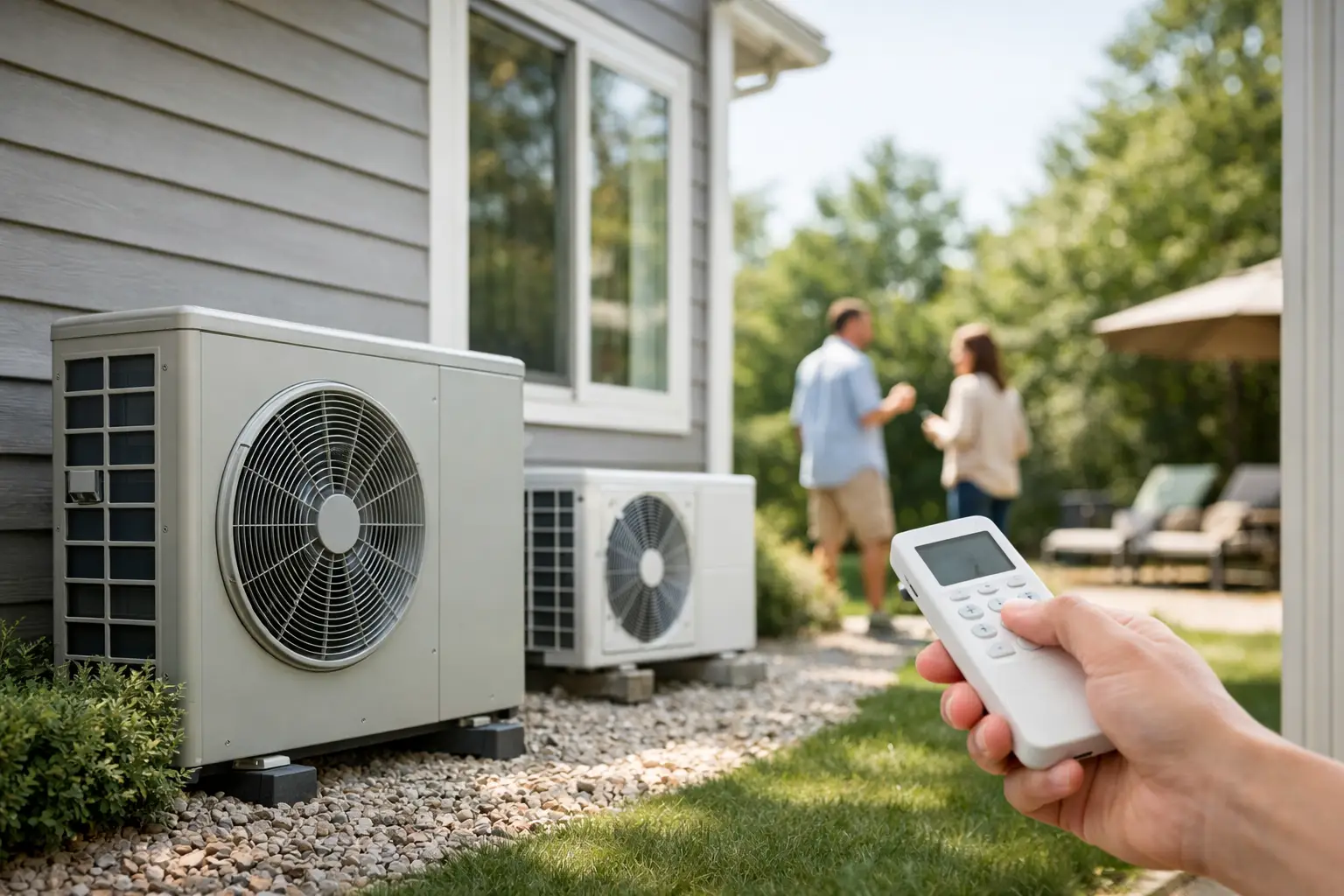
Most setups fall into two categories. Ducted systems connect to existing ductwork, while ductless mini splits heat and cool specific rooms or zones without ducts. Some properties benefit from a full whole-home conversion, while others are better served by adding heat pumps in key areas and keeping existing equipment as backup.
Why heat pump HVAC systems are getting more attention
The biggest reason is efficiency. Because a heat pump transfers heat instead of generating it through combustion, it can often use less energy than traditional systems. That can translate to lower utility bills, especially when replacing electric resistance heat, outdated AC units, or older oil systems in certain applications.
The second reason is flexibility. One system can provide both heating and cooling. That matters for homeowners who want to replace two aging systems at once, and it matters for businesses that need predictable indoor comfort without juggling separate equipment.
There is also the incentive side of the equation. Rebates and financing can make a major installation more manageable. For many local property owners, that changes the timeline from someday to now.
Is a heat pump HVAC system a good fit for Cape Cod?
Often, yes - but the building matters as much as the equipment.
Cape Cod properties present a mixed bag. Some homes are newer and tightly insulated. Others are older, draftier, or have additions that were never balanced properly. You may also have seasonal occupancy patterns, salt-air exposure, or rooms that are hard to keep comfortable. A heat pump can help with many of these issues, but it is not a magic fix for poor insulation, undersized electrical service, or neglected ductwork.
For example, if a home has hot second-floor bedrooms every summer and uneven heat in winter, a ductless setup may solve a comfort problem that the current system never handled well. On the other hand, if a commercial building already has decent ductwork and needs full-building heating and cooling, a ducted heat pump system may be the better fit.
This is where a site-specific evaluation matters. The right answer depends on square footage, insulation levels, window quality, layout, and how the space is actually used.
Costs, savings, and the trade-offs
A heat pump HVAC system usually costs more upfront than a basic replacement furnace or AC unit. Installation complexity, number of indoor heads, electrical upgrades, and whether you are going ductless or ducted all affect the final price.
That higher initial cost is the biggest reason some property owners hesitate. The counterpoint is that lower operating costs, available rebates, and financing can improve the long-term value. If you are replacing both heating and cooling equipment anyway, the math often looks better than it does when comparing a heat pump to only one piece of equipment.
Still, savings are not identical in every case. If your building leaks air badly, the system will have to work harder. If your old equipment is relatively efficient and cheap to run, the difference may be smaller. If electricity rates rise faster than expected, payback can shift. This is why honest sizing and realistic performance expectations matter more than broad claims.
Common advantages homeowners and property managers notice
The first thing many people notice is comfort. Heat pumps tend to maintain a more even indoor temperature instead of delivering sharp bursts of heat followed by cooling off. In summer, they also provide efficient air conditioning, which is a major plus in coastal humidity.
Zoning is another big advantage. With ductless systems, you can control different rooms independently. That helps in homes with additions, finished basements, bonus rooms, or guest spaces that do not need the same temperature all day.
They are also cleaner from an indoor air standpoint than combustion-based heating systems because there is no on-site burning of fuel for the heating process. That does not replace the need for maintenance, filter changes, or duct cleaning where applicable, but it can be part of a healthier indoor comfort strategy.
Where heat pumps are not a perfect answer
A heat pump is not automatically the best choice for every property. In some older homes, envelope issues are so significant that weatherization should happen first. In others, existing heating systems may still make sense to keep, especially as supplemental or backup heat.
There are also practical constraints. Some installations require electrical upgrades. Outdoor unit placement matters, particularly in tight spaces or exposed coastal areas. And while cold-climate systems perform well, some owners still prefer a dual-fuel or hybrid approach for added peace of mind during the coldest stretches of winter.
Maintenance is another consideration. Heat pumps are dependable when installed correctly and serviced regularly, but they are still mechanical systems. Coils need to stay clean, filters need attention, and performance should be checked before peak heating and cooling seasons.
How to tell when it is time to consider replacement
If your current system needs frequent repairs, struggles to hold temperature, or drives up monthly energy costs, it may be time to stop patching and start planning. The same goes for properties using window AC units, electric baseboard heat, or an older oil-fired system that no longer matches your goals for efficiency and comfort.
Commercial properties often show different warning signs. Repeated tenant complaints, uneven conditions across zones, equipment downtime, and rising service calls are all signs that the current setup may be costing more than it appears.
In those cases, replacement is not just about efficiency. It is about reducing disruption and improving reliability.
What to expect from a professional evaluation
A proper quote for a heat pump HVAC system should involve more than a quick glance at the old unit. A qualified technician should look at building size, insulation, layout, existing ductwork if any, electrical capacity, and your comfort priorities. They should also discuss whether you want full replacement, partial coverage, or a hybrid setup.
This is especially important in our region, where one-size-fits-all recommendations can miss the mark. A family-owned local contractor with licensed, certified technicians should be able to explain the options clearly, outline rebate opportunities, and give you a realistic picture of both installation costs and expected performance. That practical approach is one reason many property owners across Barnstable and the surrounding area turn to Durfee Plumbing & Heating when they are weighing HVAC upgrades.
Choosing the right heat pump HVAC system
The best system is not always the biggest or the most heavily advertised. It is the one that matches the building and the people using it. A year-round primary residence has different needs than a seasonal property. A single-story ranch has different airflow challenges than a multi-unit building. A restaurant, office, and family home all ask different things from the same technology.
That is why the conversation should start with comfort issues, operating costs, and reliability - not just brand names or equipment tonnage. When the design is right, heat pumps can be a smart long-term investment. When the design is rushed, the equipment rarely gets a fair chance to perform.
If you are considering a heat pump, treat it like any other major building decision. Ask how it will handle your coldest days, your hottest rooms, your electrical setup, and your budget. The right answer should make your property easier to live in, easier to manage, and less expensive to keep comfortable over time.