A Chatham home can feel comfortable in July and drafty in January - sometimes in different rooms on the same day. When homeowners search for “heat pumps installed chatham ma,” they are usually looking for more than a new piece of equipment. They want reliable heating through a Cape Cod cold snap, efficient cooling during humid weather, and a clear answer on whether a heat pump is the right investment for their property.
A properly selected and installed heat pump can provide all three. The key is treating installation as a whole-home comfort project, not a simple equipment swap. Your home’s layout, insulation, existing heating system, electrical capacity, and daily use all affect the right solution.
Why Heat Pumps Make Sense in Chatham
Heat pumps move heat rather than creating it through combustion. In cooling mode, they pull heat from inside and transfer it outdoors. In heating mode, they reverse that process and collect available heat from outdoor air to warm your home. Modern cold-climate systems are built to operate efficiently at temperatures that older heat pumps could not handle well.
That matters on Cape Cod, where homeowners often need both dependable heat and effective air conditioning. A heat pump can replace window units, reduce reliance on electric baseboards, supplement an oil or propane system, or serve as the primary heating and cooling source in a well-suited home.
For many households, the appeal is practical: one system handles two seasons. Ductless mini splits can also solve comfort problems in additions, converted attics, sunrooms, bedrooms over garages, and older homes without ductwork. Instead of overheating the entire house to warm one cold room, you can create targeted comfort where it is needed.
Still, a heat pump is not automatically the best answer for every building. A home with significant air leaks, poor insulation, undersized electrical service, or aging ducts may need additional work before it can get the expected performance. A qualified installer should identify those factors upfront rather than promising a one-size-fits-all solution.
What Proper Heat Pump Installation Includes
The difference between a dependable system and a frustrating one often comes down to the work completed before installation day. Equipment brand and efficiency ratings matter, but correct design matters just as much.
Accurate load calculations and sizing
A heat pump must be sized for the home, not guessed based on the square footage or the size of the system being replaced. A professional load calculation considers insulation levels, window area, ceiling height, air leakage, building orientation, occupancy, and local winter design temperatures.
An oversized system can cycle on and off too frequently. That can reduce efficiency, create uneven temperatures, and leave more humidity in the air during cooling season. An undersized system may run continuously during very cold weather and struggle to maintain your preferred indoor temperature.
The right size may be different from the capacity of an older furnace, boiler, or air conditioner. Older equipment was frequently oversized, particularly in homes that have received insulation, window, or weatherization improvements over the years.
The right system style for the property
Ducted heat pumps work through existing ductwork and can be a strong option when ducts are properly sized, insulated, and sealed. If the duct system is leaky or poorly designed, it may need repairs before a new heat pump can perform as intended.
Ductless systems use indoor wall-mounted, floor-mounted, or ceiling-mounted air handlers connected to an outdoor unit. They are especially useful in homes without central ducts, additions, multi-zone layouts, and spaces with persistent comfort issues. A multi-zone system can provide independent temperature control in several areas, but more zones are not always better. The layout should match how the household actually uses the home.
Some homeowners choose a dual-fuel approach, keeping an existing boiler, furnace, or another backup source for the coldest days. This can make sense when the current heating equipment is in good condition or when a full conversion is not practical. Others prefer an all-electric cold-climate heat pump system. The best choice depends on the home, utility costs, equipment condition, and comfort priorities.
Electrical, drainage, and outdoor placement
Heat pumps need safe electrical connections and sufficient panel capacity. In some homes, an electrical upgrade is needed before installation. This should be reviewed early, especially if the property also has electric water heating, an EV charger, or other high-demand equipment.
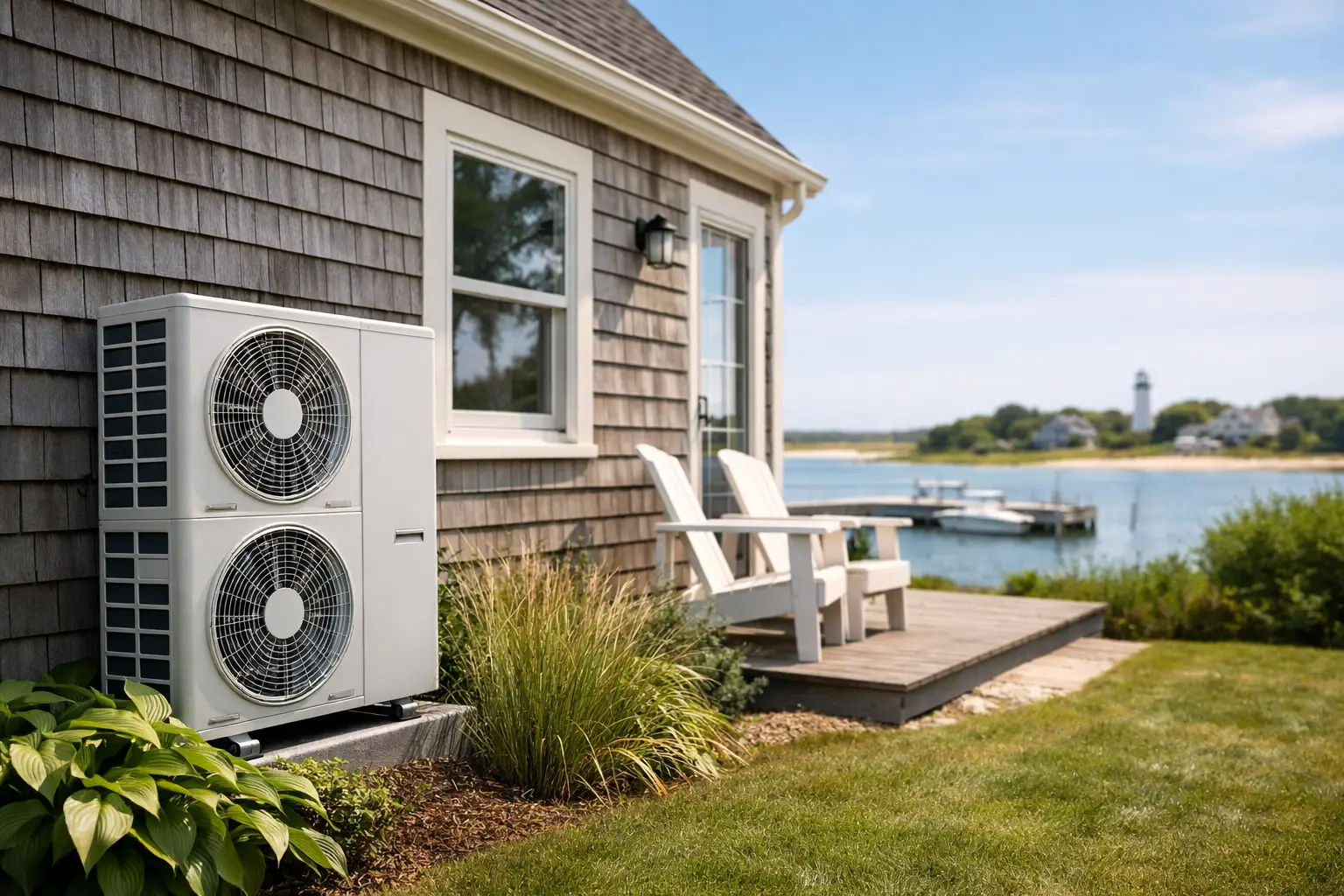
Outdoor unit placement deserves careful attention in Chatham’s coastal environment. The unit needs proper clearance for airflow, a stable elevated pad or bracket, and a location that supports service access. It should also be positioned with snow, roof runoff, salt air exposure, noise, and drainage in mind.
During heating mode, heat pumps periodically defrost. Water from that cycle has to drain correctly so it does not refreeze around the unit. That is a small detail with a major impact on winter reliability.
Heat Pumps Installed in Chatham, MA: Cost Factors
There is no responsible flat price for every heat pump installation because homes and system designs vary widely. A single-zone ductless unit for one room is very different from a whole-home ducted system with new electrical work and multiple indoor zones.
The major cost factors include the system’s capacity and efficiency level, whether ductwork is needed or repaired, the number and type of indoor units, electrical upgrades, accessibility, and removal of old equipment. A home that needs air sealing or insulation improvements may also benefit from handling those upgrades as part of a broader efficiency plan.
Financing can make larger comfort improvements more manageable, particularly when an aging heating system is nearing the end of its service life. It is also worth asking about available Mass Save rebates and other incentives before the project begins. Eligibility, equipment requirements, and program amounts can change, so the details should be confirmed for your specific installation.
The lowest proposal is not always the lowest long-term cost. A quote should clearly explain the equipment being installed, system capacity, indoor unit locations, electrical scope, warranty coverage, permit needs, and any work required to make the system operate correctly. If a proposal leaves those details out, it is difficult to compare it fairly with a more complete installation.
Will a Heat Pump Keep Up in Winter?
This is one of the most common questions from Cape Cod homeowners, and the honest answer is: it depends on the system and the home. Modern cold-climate heat pumps can deliver useful heat well below freezing, but performance is influenced by sizing, installation quality, air sealing, insulation, and thermostat settings.
A well-designed system should not require you to constantly adjust it. Heat pumps typically work best when allowed to maintain a steady temperature rather than being turned far down and then asked to recover quickly. Your installer should explain how your controls work, when supplemental heat may operate, and what normal defrost behavior looks like.
If you retain a backup heating system, the controls should be set up so the two systems work together intelligently. The goal is dependable comfort and reasonable operating cost, not forcing one piece of equipment to do a job it was not designed to do.
Questions to Ask Before You Schedule
Before choosing an installer, ask whether they perform a load calculation, inspect ducts when applicable, review electrical capacity, and explain the cold-weather plan for your home. Ask who handles permits, what warranty applies to parts and labor, and whether the technicians are licensed and certified for the work.
You should also ask what service will look like after installation. Heat pumps need routine maintenance, including filter cleaning or replacement, outdoor coil inspections, drain checks, and performance testing. A contractor with both heating and HVAC experience can be especially valuable if your home uses a hybrid setup or has related duct, plumbing, or water-heating needs.
Durfee Plumbing & Heating helps Cape Cod homeowners evaluate heat pump options with clear recommendations, licensed workmanship, and service support when it matters. The right conversation starts with your home’s actual conditions, not a sales pitch.
A heat pump should make your home easier to live in - quieter cooling, steadier heat, and fewer surprises when the weather changes. Start with an on-site evaluation, ask direct questions, and choose a system designed for the way your Chatham home is built and used.