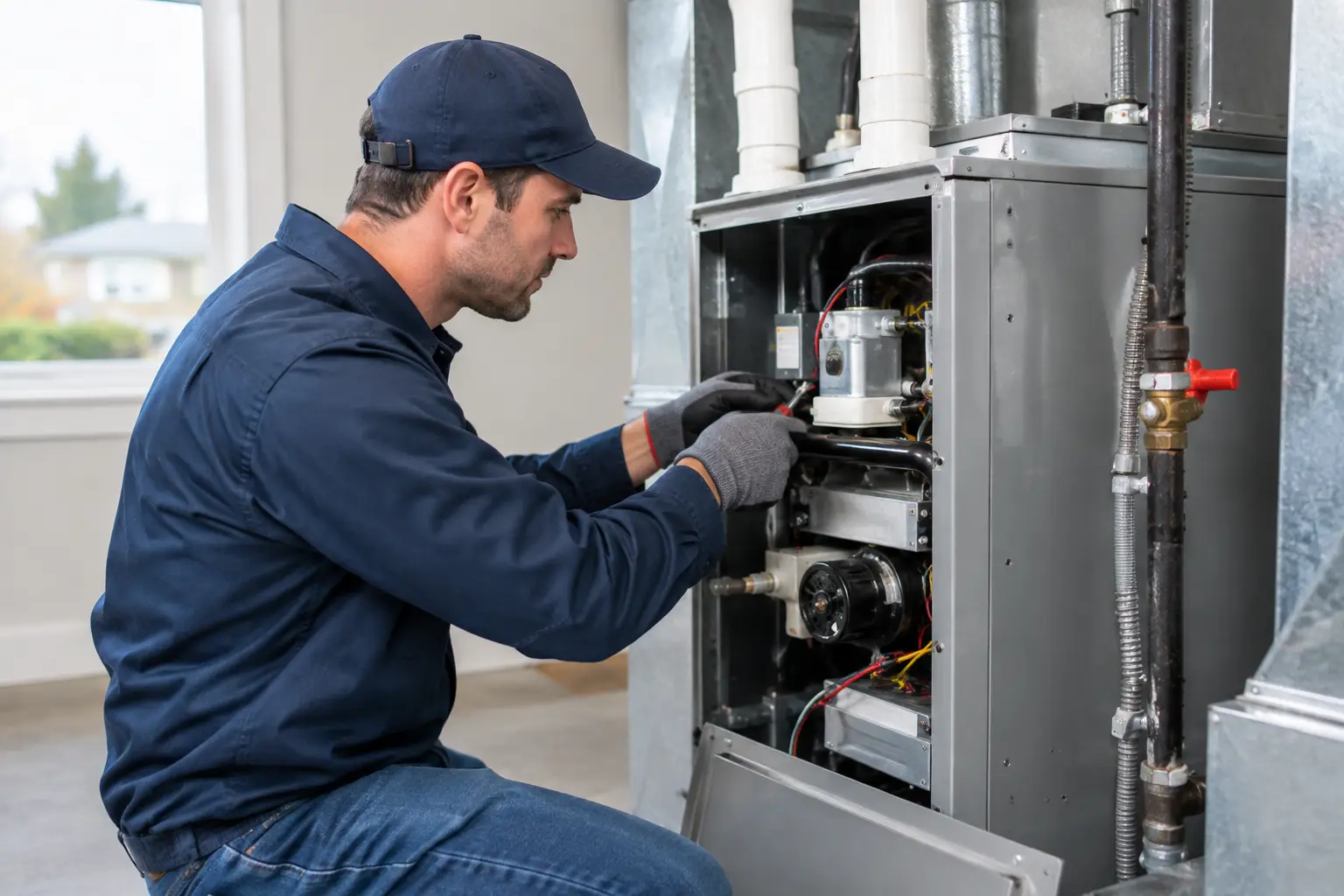
A furnace rarely fails at a convenient time. It starts with a new rattle, a cold bedroom, or a heating bill that no longer makes sense. For furnace replacement in Sandwich, MA, acting before a complete breakdown gives you more control over the equipment, installation schedule, and budget - especially before winter weather puts extra demand on your home’s heating system.
A replacement is a major home decision, but it does not have to be confusing. The right answer depends on your furnace’s age, condition, repair history, fuel source, ductwork, and long-term plans for the property. A licensed heating professional can assess the full system and explain whether a repair is still the practical choice or whether replacement will deliver better reliability and efficiency.
Signs Your Furnace May Be Near the End
Most furnaces give homeowners warning signs before they stop working entirely. A single service call does not automatically mean you need a new system. However, repeated repairs on an older unit can turn into a costly cycle, particularly when a critical component fails during a cold stretch.
Pay attention if your furnace is 15 to 20 years old, needs frequent repairs, heats rooms unevenly, runs for long periods without reaching the thermostat setting, or produces unusual banging, squealing, or rattling noises. A sharp increase in fuel or electric bills can also point to declining efficiency, though insulation problems, duct leaks, and thermostat issues should be ruled out first.
Safety concerns deserve immediate attention. A yellow burner flame instead of a steady blue flame, soot around the unit, corrosion, water pooling near the furnace, or carbon monoxide alarm activity are reasons to shut the system down and call for professional help. If you have no heat, prompt service matters. A repair may restore operation, but the technician can also tell you honestly whether the repair is likely to last.
Repair or Furnace Replacement in Sandwich, MA?
The repair-versus-replace question comes down to more than the price of today’s repair. A newer furnace with a straightforward igniter, sensor, or blower issue may be well worth repairing. A well-maintained system can often continue providing dependable heat for years after a minor repair.
Replacement becomes more sensible when the unit is near the end of its expected service life and the repair is expensive, recurring, or tied to a major component such as the heat exchanger. A cracked heat exchanger can create a combustion safety concern and is often a point where homeowners choose replacement rather than investing heavily in an aging furnace.
It also depends on how long you expect to own the home. If you plan to stay for many years, a properly sized high-efficiency system may reduce operating costs and improve comfort over time. If you manage a rental property or commercial space, reliability and fewer emergency calls may be the larger priority. The best recommendation should account for your goals, not just push the highest-priced equipment.
What a Professional Replacement Assessment Should Cover
A furnace should never be selected by matching the size of the old unit alone. Older systems were often oversized, and a unit that is too large can short-cycle, create uneven temperatures, and wear down components sooner. A unit that is too small may run continuously and struggle during the coldest weather.
A proper assessment starts with the home itself. Technicians should consider square footage, layout, insulation levels, windows, ceiling height, sun exposure, and the condition of the existing duct system. Duct leaks, poor return-air flow, and undersized ductwork can limit the performance of even a brand-new furnace.
The evaluation should also confirm your fuel source and venting requirements. Natural gas, propane, oil, and electric systems have different installation needs. If your home has an existing forced-air system, it may also be a good time to discuss whether a heat pump can complement or replace some of your heating load. On Cape Cod, many homeowners consider heat pumps for efficient heating and cooling, but the right setup depends on the building, electrical capacity, backup heat needs, and available incentives.
The Factors That Affect Furnace Replacement Cost
There is no single price for a new furnace because the equipment is only one part of the project. The furnace’s efficiency rating, capacity, fuel type, brand, and warranty coverage all affect the investment. Installation requirements matter just as much.
For example, a straightforward replacement using existing compatible ductwork and venting is usually less involved than a project requiring gas piping changes, electrical upgrades, condensate drainage, chimney liner work, duct repairs, or new thermostat controls. Access can matter too. A system installed in a tight attic, crawl space, or mechanical room may require more labor than one in an open basement.
Higher-efficiency equipment can cost more upfront, but it may use less fuel over the life of the system. That trade-off is worth reviewing carefully. Available financing can make a needed replacement more manageable, and certain energy-efficiency upgrades may qualify for Mass Save rebates or incentives when eligibility requirements are met. A contractor should explain the options clearly rather than assume every household will benefit from the same equipment choice.
Why Installation Quality Matters as Much as the Equipment
A high-quality furnace can still underperform if it is installed incorrectly. Proper airflow, gas pressure, venting, condensate management, electrical connections, thermostat setup, and startup testing all affect safety, comfort, and equipment life.
After installation, the system should be commissioned rather than simply turned on. That means verifying safe operation, confirming temperature rise, checking airflow, testing controls, and making sure the thermostat communicates correctly with the furnace. You should also receive clear guidance on filter changes, maintenance needs, warranty coverage, and what to do if the system shows an error code.
Working with licensed, certified technicians helps protect your home and your investment. Durfee Plumbing & Heating brings a practical, full-service approach to heating projects, with technicians prepared to evaluate the complete system rather than treating the furnace as an isolated box. A one-year parts and labor warranty adds further peace of mind after the work is complete.
Plan Before the Furnace Stops Working
The easiest time to make a furnace decision is when you still have heat. Scheduling an assessment before the unit fails gives you time to compare options, consider energy-efficiency improvements, and arrange installation around your household or business schedule. It can also prevent the pressure of making a major purchase during an emergency.
That said, a sudden breakdown should not leave you without help. For Sandwich homeowners and property managers facing no heat, responsive service can determine whether a targeted repair gets the system running or whether replacement needs to move forward quickly. Fully stocked service vehicles can often help resolve common repair issues on the first visit, which gives you a clearer picture of your next step.
Keep Your New Furnace Performing Well
Once a new system is installed, basic maintenance protects its efficiency and reliability. Change or clean filters on schedule, keep supply and return vents clear, and avoid storing items against the furnace. Annual professional service helps catch wear, airflow restrictions, combustion concerns, and drainage issues before they disrupt heat.
If some rooms remain uncomfortable after replacement, do not assume that is normal. The issue may involve duct balancing, insulation, thermostat location, or airflow restrictions that can often be corrected. A furnace replacement should leave your home feeling more dependable, not simply newer.
If your current furnace is becoming unreliable, a professional assessment can replace uncertainty with a clear plan. Whether repair is still the sensible path or replacement is the better long-term move, timely action helps protect your comfort before the next cold night makes the decision for you.