A furnace failure on a cold Mashpee morning is rarely convenient, but it is often the point when homeowners start asking the bigger question: repair it again, or replace it? Furnace replacement in Mashpee, MA is a major home decision, yet waiting until the system quits completely can limit your choices and add unnecessary stress. A planned replacement gives you time to compare efficiency, confirm proper sizing, and schedule the work around your household.
The right answer depends on the furnace's age, condition, repair history, fuel type, and how well it actually heats your home. A reliable contractor should look beyond the equipment itself and help you understand what will deliver safe, steady comfort for years to come.
When Furnace Replacement in Mashpee MA Makes Sense
Age is usually the first clue. Many furnaces provide 15 to 20 years of service when maintained properly, although coastal conditions, heavy use, and deferred maintenance can shorten that lifespan. If your furnace is approaching that range and needs a costly repair, replacement may be the more practical investment.
A single minor repair does not automatically mean you need new equipment. A failed igniter, thermostat issue, or worn blower component can often be repaired economically on a newer, otherwise dependable system. The calculation changes when repairs keep returning, replacement parts are difficult to source, or the heat exchanger has a serious problem. A cracked heat exchanger is a safety concern because it can allow combustion gases, including carbon monoxide, to enter the air stream. In that situation, replacement is typically the responsible path.
Pay attention to how the system performs, not just whether it turns on. Uneven temperatures between rooms, long run times, frequent cycling, unusual banging or rumbling, dry indoor air, and rising fuel bills can all point to declining equipment or ductwork problems. Some of these issues can be corrected without replacing the furnace, which is why an on-site evaluation matters.
Repair or Replace? Look at the Whole Cost
It is tempting to compare only the price of today's repair with the price of a new furnace. A better comparison includes what you are likely to spend over the next few years, how much fuel the current system uses, and the risk of a breakdown during the heating season.
For example, an older furnace that needs an expensive control board may still be worth repairing if it has been reliable, has a sound heat exchanger, and is not near the end of its expected life. On the other hand, putting significant money into a 20-year-old unit with repeated service calls may only delay a larger expense. Homeowners should also consider whether the existing furnace is oversized, undersized, or paired with ducts that leak conditioned air into an attic, crawl space, or basement.
A replacement can reduce operating costs, but savings are not automatic. The actual results depend on the furnace efficiency rating, thermostat settings, insulation levels, duct condition, and the price of your fuel. Be cautious of anyone who promises a specific savings number before reviewing the home and the proposed equipment.
Choosing the Right Furnace for Your Home
The best furnace is not necessarily the biggest one or the one with the highest efficiency rating. It needs to match your home's heating load. Proper sizing takes into account square footage, ceiling height, insulation, windows, air leakage, sun exposure, and the layout of the home. A load calculation is more dependable than selecting equipment based only on the size of the old furnace.
An oversized furnace can heat the house too quickly and shut off before it distributes warmth evenly. This short cycling can increase wear, reduce comfort, and make temperature swings more noticeable. An undersized unit may run for long periods without keeping up during colder weather. Correct sizing supports both comfort and equipment life.
Efficiency ratings also deserve a practical conversation. A higher-efficiency furnace can use less fuel, but it may require changes to venting, drainage, electrical connections, or condensate handling. The added installation cost can make sense for a home with long heating seasons or high fuel use. In other homes, a moderately efficient, well-installed system may be the better value. Your installer should explain the trade-off clearly rather than pushing one model for every property.
If you are considering a heat pump, this is also a good time to compare options. Many Cape Cod homeowners use heat pumps for efficient heating and cooling, sometimes alongside an existing furnace for backup heat. Whether that approach fits depends on your current fuel source, electrical capacity, ductwork, comfort preferences, and the condition of the existing system. Available Mass Save rebates and financing programs may help with qualifying upgrades, but requirements and incentive amounts can change.
Do Not Overlook Ductwork and Indoor Air Quality
A new furnace cannot overcome poorly designed or leaking ducts. If some rooms are always cold, airflow is weak at certain registers, or dust builds up quickly, the duct system should be inspected during the replacement process. Restrictions, disconnected runs, inadequate returns, and aging insulation can all undermine a new system's performance.
The installation is also a chance to consider filtration and humidity. A properly selected filter can support cleaner indoor air without placing too much resistance on the system. High-restriction filters are not always better if the furnace blower was not designed for them. For homes that feel overly dry in winter, ask whether humidity control is appropriate for the building and the occupants' needs.
What a Professional Furnace Replacement Should Include
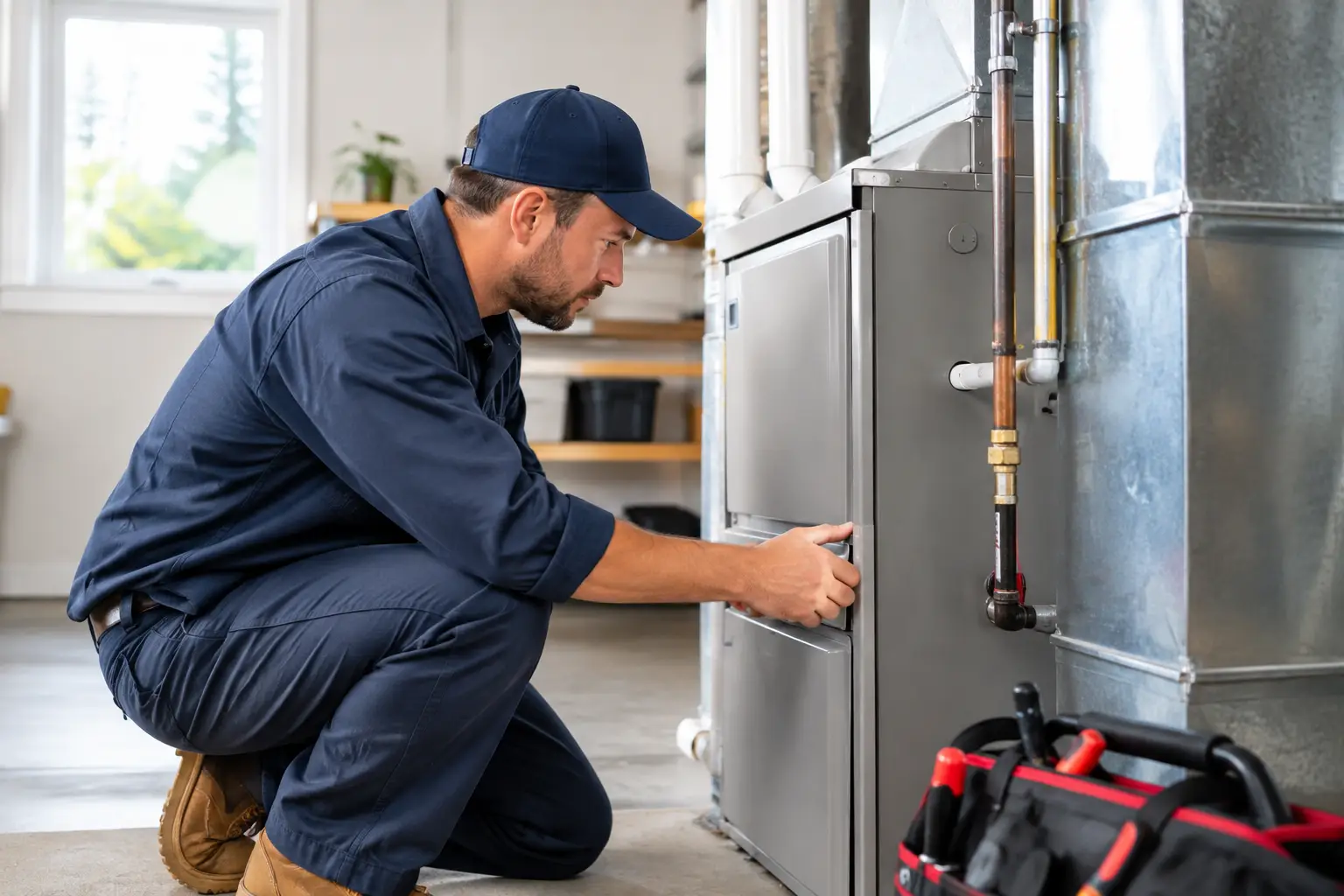
A furnace replacement should be more than removing an old unit and connecting a new one. Licensed technicians should verify the equipment size, inspect the venting and gas or oil connections, evaluate electrical components, and review the thermostat and duct system. They should also confirm that required permits and code requirements are addressed.
Once installed, the system needs to be started, tested, and adjusted. That includes checking safe combustion and venting where applicable, confirming airflow, testing safety controls, and making sure the thermostat operates correctly. A clean installation area and a clear explanation of how to use and maintain the new equipment are part of good service.
For homeowners, it helps to ask direct questions before approving the work. Ask why a particular size and efficiency level were recommended, whether the quote includes any needed venting or electrical updates, what warranty coverage applies, and what maintenance the system will need. You should receive straightforward answers, not pressure.
Plan Before the Next No-Heat Call
The best time to evaluate an aging furnace is while it is still operating. You can schedule an assessment, compare options, review financing if needed, and avoid making a rushed decision in the middle of a cold spell. That is especially valuable for property managers and seasonal homeowners who need dependable heat before tenants arrive or a home is left unattended.
Still, no-heat problems do happen. If your furnace stops working, check that the thermostat is set to heat, replace the filter if it is severely clogged, and make sure the fuel supply and electrical breakers are on. If you smell gas, leave the area, avoid switches or open flames, and contact the gas utility or emergency services from a safe location. Do not attempt to repair gas equipment yourself.
Durfee Plumbing & Heating provides responsive heating service across Cape Cod, with licensed technicians, stocked trucks, and options for repairs or planned system upgrades. Whether the answer is a targeted repair or a new system, the goal should be the same: dependable heat, clear expectations, and work completed with care.
If your furnace has become noisy, unreliable, or expensive to keep running, arrange an evaluation before the next cold night forces the decision for you. A clear professional assessment can turn an uncertain replacement into a practical plan for a warmer, safer home.