A furnace that quits during a cold Cape Cod night is more than an inconvenience. It can put pipes, comfort, and daily routines at risk. If you are considering furnace replacement Falmouth MA homeowners can rely on, the right time to act is usually before a complete failure forces a rushed decision. A clear assessment of your current equipment, fuel costs, ductwork, and home comfort goals can help you choose a system that fits the property and the budget.
When Furnace Replacement in Falmouth, MA Is the Better Call
No furnace lasts forever, but age alone does not automatically mean replacement is necessary. A well-maintained system may still have useful service life left. The question is whether another repair is a sensible investment or a short-term fix on equipment that is becoming unreliable.
Replacement is often worth serious consideration when a furnace is 15 to 20 years old, needs frequent repairs, or has trouble heating the home evenly. Rising fuel bills can also point to declining efficiency, especially if your usage habits have not changed. Older units may run longer and cycle more often just to maintain the thermostat setting.
Some warning signs need prompt professional attention. Loud banging, rattling, repeated burner or ignition problems, soot around the equipment, unusual odors, or a yellow burner flame can indicate combustion or mechanical concerns. A carbon monoxide alarm should always be treated as an urgent safety issue. Turn off the system if it is safe to do so, leave the area as needed, and contact qualified help right away.
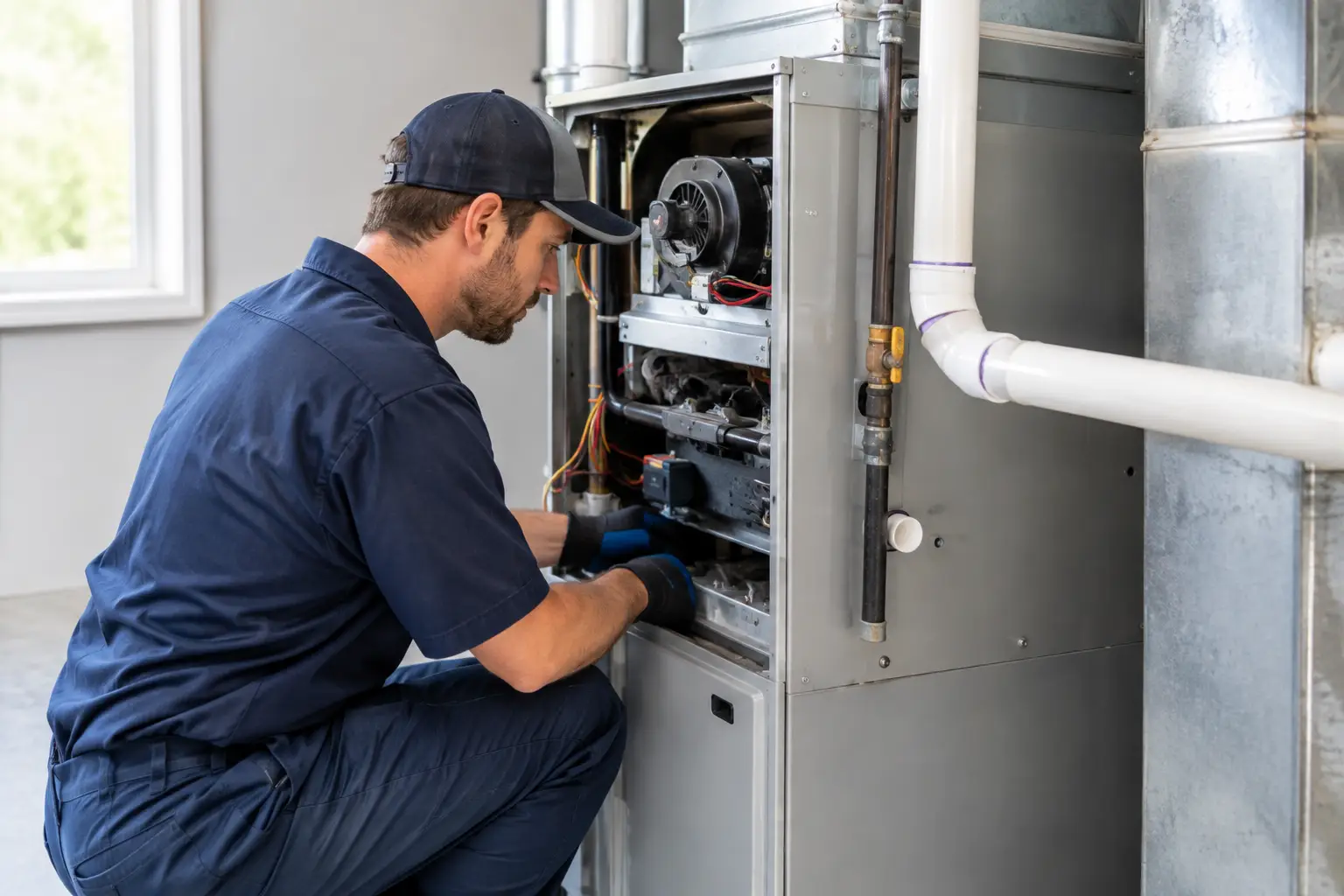
A furnace that has one repairable issue is not necessarily ready for retirement. For example, replacing a blower motor, igniter, or control component may be a practical repair on a newer, otherwise dependable unit. But when the heat exchanger is damaged, repairs are recurring, or parts are becoming difficult to obtain, putting money into the old system can become the more expensive choice.
Look at Repair Costs in Context
A repair estimate should be evaluated alongside the furnace's age, condition, efficiency, and repair history. The lowest immediate price is not always the lowest cost over the next several winters.
Ask the technician what caused the failure and whether the repair addresses the underlying problem. A failed capacitor is different from a system with chronic airflow issues, a deteriorating heat exchanger, or extensive corrosion. You should also ask whether the furnace is properly sized for the home and whether duct leaks, poor insulation, or thermostat placement are contributing to comfort problems.
For homeowners planning to stay in the house for several years, a new high-efficiency system may reduce fuel use and offer more predictable heating performance. For a property that will be sold soon, the decision may depend more on safety, reliability, disclosure requirements, and the condition of the existing equipment. Property managers may prioritize equipment that reduces emergency calls and protects tenants during cold weather.
Choose the Right System, Not Just a New Furnace
The best replacement depends on the home's heating fuel, existing distribution system, square footage, insulation, and how different rooms are used. A professional should calculate the heating load rather than choosing a furnace based solely on the size of the old one. An oversized unit can short-cycle, create uneven temperatures, and wear components prematurely. An undersized unit may run constantly without keeping up during colder conditions.
For homes with ductwork, a gas or oil furnace may remain the most straightforward replacement. If natural gas is available, a high-efficiency gas furnace can be an attractive option, but gas line capacity, venting requirements, and installation conditions should be reviewed first. Oil-heated homes may also benefit from a newer, more efficient oil furnace or boiler, depending on the existing system.
A heat pump is another option worth discussing, particularly for homeowners looking to reduce fossil fuel use or add efficient cooling. On Cape Cod, many homes use heat pumps as a primary system, a supplemental system, or part of a dual-fuel setup with a furnace. The right arrangement depends on the building envelope, electrical capacity, duct design, and comfort preferences. A furnace may still be the better fit for some homes, while a heat pump can make excellent sense for others.
Do not overlook the ducts. New heating equipment connected to leaking, undersized, dirty, or poorly balanced ductwork cannot perform at its best. During a replacement consultation, ask whether the ducts need sealing, repairs, cleaning, or modifications. Addressing airflow at the same time can improve room-to-room comfort and help protect the new equipment.
What a Professional Replacement Estimate Should Cover
A useful estimate should explain more than the price of the furnace. You deserve to know what equipment is being installed, why it is appropriate for the home, and what work is included.
The scope should address removal and disposal of the old unit, required permits, electrical or fuel connections, venting, thermostat compatibility, and any ductwork changes. If the system uses gas, the contractor should inspect the gas line and confirm that sizing and connections meet the needs of the new equipment. If oil is involved, the assessment should include the condition of the fuel supply and related components.
Ask about the equipment warranty and the labor warranty separately. Manufacturer coverage may vary by product and registration requirements, while labor coverage is set by the installing contractor. It is also reasonable to ask about maintenance needs, filter sizes, expected service intervals, and how quickly emergency help is available if the new system has a problem.
Financing can make a needed replacement easier to manage, especially when a furnace fails without warning. Depending on the equipment and current program requirements, efficiency upgrades may also qualify for Mass Save incentives or other available rebates. Eligibility, equipment specifications, and funding can change, so confirm the current details before making a final decision.
Why Timing Matters on Cape Cod
Waiting until a furnace fails can limit your options. During a no-heat emergency, the priority is restoring safe heat quickly. That may leave less time to compare equipment features, consider efficiency upgrades, or schedule related ductwork improvements.
Planning a replacement in the fall, spring, or after an early warning repair can give you more control. It also lets you coordinate other work, such as a thermostat upgrade, duct cleaning, gas line installation, or a heat pump addition. For seasonal homes, a dependable heating system is especially important for winterization and freeze prevention when the property is vacant.
Commercial properties have an added concern: downtime. A failing rooftop or interior heating system can affect employees, customers, inventory, and tenants. Replacement planning should account for operating hours, access needs, code requirements, and a backup plan if temperatures drop during the project.
Work With a Contractor Who Can Support the Whole System
Furnace replacement involves more than setting a new unit in place. Proper sizing, safe fuel connections, venting, electrical work, airflow, startup testing, and clear customer guidance all affect the result. Choose a licensed, certified contractor that can explain the recommendation in plain language and stand behind the installation.
Durfee Plumbing & Heating provides heating and HVAC solutions across Cape Cod, with licensed technicians, financing options, 24/7 emergency availability, and a one-year parts and labor warranty. For a planned replacement or an unexpected breakdown, having one local team that can evaluate the heating equipment, ducts, fuel connections, and related plumbing concerns helps reduce delays and guesswork.
If your furnace is getting older, making unfamiliar noises, or requiring repairs more often, schedule an evaluation before the next cold stretch. A timely, informed decision can protect your home, improve comfort, and give you one less winter emergency to worry about.