A cold shower is often the first sign, but it is rarely the only one. When you need water heater replacement Cotuit MA homeowners can depend on, the right decision comes down to more than replacing an old tank with a similar model. Fuel type, household demand, venting, available space, efficiency goals, and the condition of the existing plumbing all matter.
For year-round residents, seasonal homeowners, and property managers, a reliable supply of hot water protects daily routines and helps prevent an inconvenient failure from becoming an urgent plumbing problem. Knowing when replacement makes better sense than repair can save time, water damage, and repeat service costs.
When a Water Heater Should Be Replaced
Most conventional storage-tank water heaters last roughly eight to 12 years, though actual life span depends on water conditions, maintenance history, installation quality, and how hard the unit works. Check the manufacturer label for the serial number and installation date if you are not sure of your system's age.
Age alone does not always require replacement. A newer system with a failed heating element, thermostat, igniter, or pressure-relief valve may be a good repair candidate. But a tank that is older, rusting, leaking, or repeatedly losing performance is usually better replaced before it fails completely.
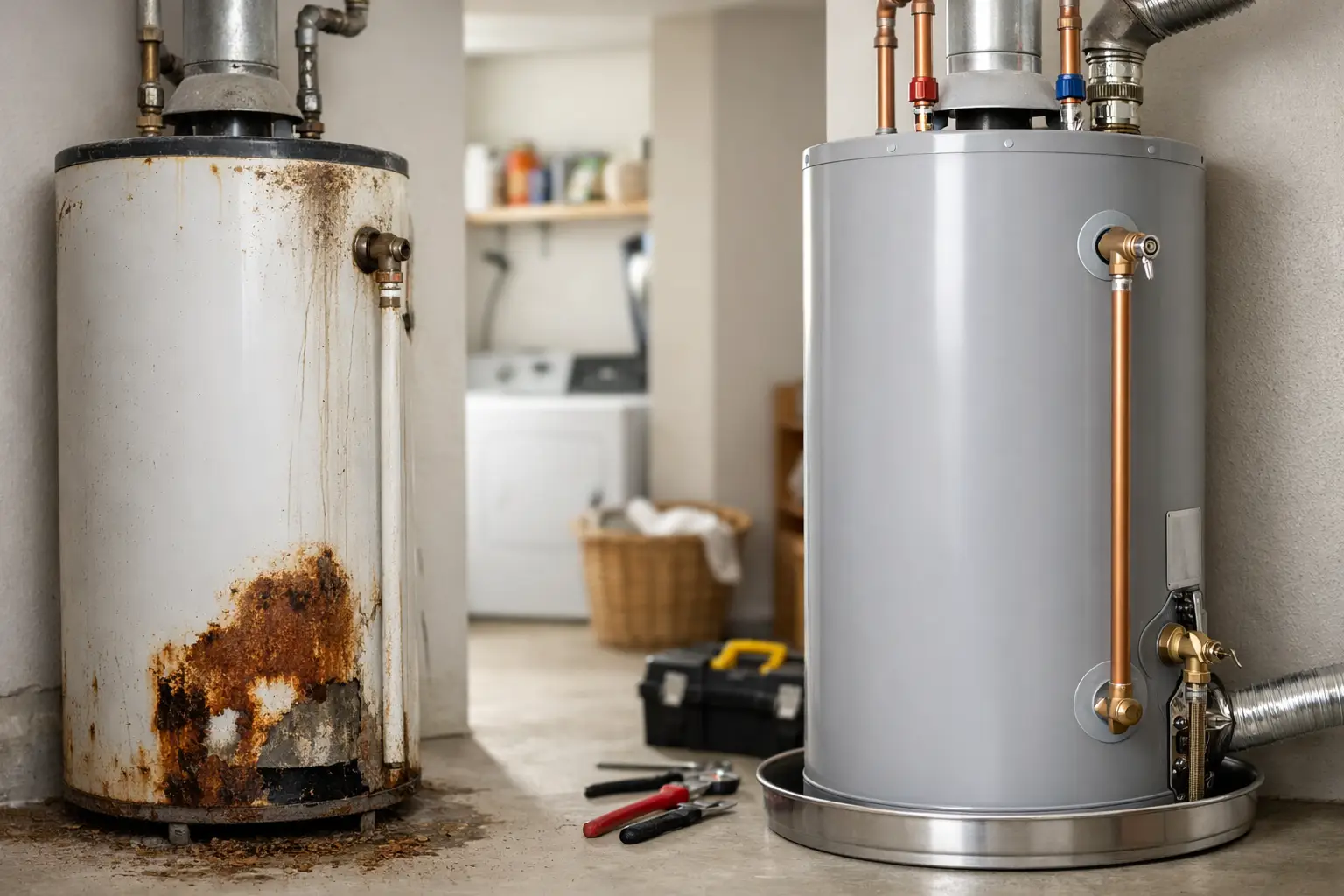
Pay attention to water collecting beneath the unit. Condensation can occur in some situations, but a persistent puddle or active leak from the tank body is a serious concern. Once the internal tank has corroded through, it cannot be reliably repaired. Shut off the water supply if possible and arrange service promptly, especially if the heater is located near finished space, electrical equipment, or stored belongings.
Other warning signs include rusty or discolored hot water, popping or rumbling sounds, declining hot-water capacity, fluctuating temperatures, and a burner that will not stay lit. Sediment can cause noise and reduced efficiency, while corrosion may point to a failing tank or aging connections. A licensed technician can identify which issue is present rather than guessing based on one symptom.
Water Heater Replacement in Cotuit, MA Starts With Proper Sizing
The biggest tank is not automatically the best choice. An oversized unit can cost more to buy and operate, while an undersized unit can leave a household without enough hot water during busy mornings or when guests are visiting.
For a standard tank water heater, sizing is based largely on first-hour rating. This measures how many gallons of hot water the unit can provide during a high-demand hour. A home with one or two occupants may have very different needs from a household with several bathrooms, teenagers, laundry use, and frequent overnight guests.
For tankless water heaters, the key measure is flow rate. The system must support the incoming water temperature and the number of fixtures expected to run at once. A tankless unit that works well for one shower may struggle when a second shower, dishwasher, and washing machine start at the same time. Cold-weather incoming water temperatures can also affect output, so local sizing should not be based on a generic online calculator alone.
A professional assessment should account for the number of occupants, bathrooms, appliances, fuel source, pipe layout, and peak-use habits. It is also a good time to evaluate whether an aging shutoff valve, expansion tank, vent connector, or gas line needs attention.
Choosing Between Tank, Tankless, and Heat Pump Models
A replacement is an opportunity to choose equipment that fits the property instead of simply duplicating what was there before. Each type has practical advantages and trade-offs.
Conventional Tank Water Heaters
Storage-tank water heaters remain a dependable choice for many homes. They generally have lower upfront equipment costs than tankless models, are familiar to operate, and can provide a strong first-hour supply when properly sized. Gas and electric versions are available, depending on the home's existing utilities.
The trade-off is standby heat loss. Because the unit keeps a stored volume of water hot, it uses energy even when no fixture is running. Tank units also need enough installation space and will eventually require replacement when the tank reaches the end of its life.
Tankless Water Heaters
Tankless systems heat water as it flows, rather than maintaining a reservoir. They can free up floor space and may reduce energy use for households with moderate or variable hot-water demand. They also offer a long service life when installed and maintained correctly.
Still, tankless is not a one-size-fits-all upgrade. Installation may require changes to gas piping, electrical service, venting, condensate drainage, or water lines. The initial investment is often higher, and periodic flushing is important to protect performance. The best choice depends on demand, available infrastructure, and whether the upgrade costs make sense for the property.
Heat Pump Water Heaters
Heat pump water heaters pull warmth from surrounding air to heat water, making them a highly efficient option in the right location. They can be especially attractive for homeowners focused on lower operating costs and available energy-efficiency incentives.
These systems need adequate air volume and work best in spaces such as basements, utility rooms, or garages where cooler, drier discharge air will not be a problem. They also use electricity and produce condensate that must be drained properly. If the installation area is small, finished, or already cold, a different model may be more practical.
What a Professional Replacement Should Include
A water heater installation is more than connecting a few pipes. Safe replacement requires correct fuel, electrical, water, venting, drainage, and pressure-management connections. Depending on the system and home, the job may also involve permits and inspection requirements.
A qualified technician starts by inspecting the existing setup and confirming the right replacement path. The old unit is disconnected and removed, and the new equipment is installed according to manufacturer instructions and applicable code. That can include new supply connections, a properly routed temperature and pressure relief valve discharge line, venting updates for fuel-fired equipment, and an expansion tank when needed.
After installation, the system should be filled, tested, and checked for leaks and proper operation. The technician should also explain basic maintenance, shutoff locations, and any model-specific care requirements. For example, tankless units and some heat pump models benefit from regular maintenance that differs from a standard tank heater.
Durfee Plumbing & Heating LLC provides licensed, certified service across Cape Cod, with fully stocked trucks and 24/7 availability when a leaking or failed water heater cannot wait. A 1-year parts and labor warranty also gives customers added confidence after installation or repair.
Cost Factors to Consider Before Replacing a Water Heater
The price of a replacement can vary widely, and the equipment is only part of the total. Capacity, fuel type, efficiency rating, installation location, venting changes, permit needs, electrical upgrades, gas-line work, and disposal of the old unit can all affect the project.
A straightforward replacement in an accessible utility area is generally less involved than converting from a tank to tankless, moving the unit, or correcting an outdated installation. Ask for a clear assessment of what is included so there are no surprises about required code upgrades or related repairs.
Efficiency also deserves a longer view. A lower-cost model may be appropriate for a lightly used seasonal property, while a higher-efficiency heat pump or tankless unit may offer better value for a full-time household with substantial hot-water use. Financing options and potential Mass Save rebates may help make an efficient upgrade more manageable, depending on current program requirements and equipment eligibility.
Avoid an Emergency Replacement When Possible
Water heaters rarely fail at a convenient time, but a little planning can reduce the chance of a sudden flood or loss of hot water. Have an older system inspected if it is nearing the end of its expected life, particularly before a busy rental season, holiday guests, or an extended period away from the property.
Keep the area around the water heater accessible, watch for small leaks or corrosion, and do not ignore changes in water temperature or strange sounds. If you own a seasonal home, proper plumbing winterization is also essential. A water heater and connected plumbing system that are not prepared for freezing conditions can suffer expensive damage.
If your current unit is leaking, producing no hot water, or showing signs of tank failure, acting early gives you more control over the equipment choice and schedule. A dependable replacement should fit the home, meet demand without waste, and give you one less thing to worry about when the next shower, load of laundry, or busy morning begins.