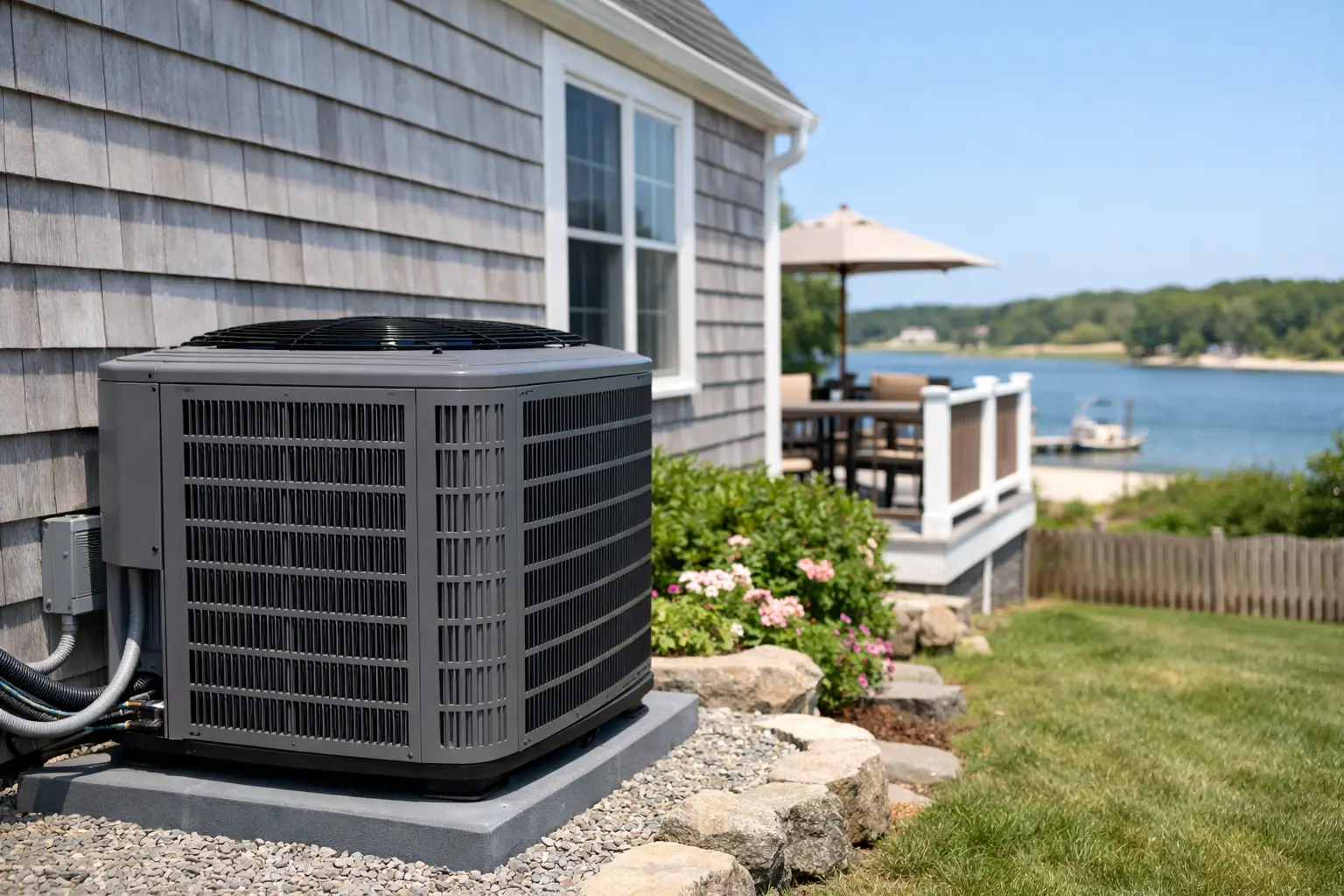
A system that quits during a humid Cape Cod week is more than an inconvenience. If you are searching for a replacement air conditioner in Sandwich, MA, the goal is not simply to get cold air back. It is to install equipment that fits your home, controls humidity, and provides dependable comfort without driving up utility costs.
Replacing an air conditioner is a significant decision, especially when the existing unit has limped along for years. The right answer depends on the condition of your equipment, your home's layout, existing ductwork, and whether an efficient heat pump or ductless system would serve you better than another traditional central AC unit.
When Replacement Makes More Sense Than Repair
Not every AC problem calls for a new system. A failed capacitor, worn contactor, clogged drain line, or refrigerant issue may be repairable. If the equipment is otherwise in good condition and has years of expected service left, a targeted repair is often the sensible choice.
Replacement deserves serious consideration when the system is 12 to 15 years old, requires frequent service, or uses R-22 refrigerant. R-22 has been phased out, which can make repairs involving refrigerant expensive and less practical. A major compressor failure on an older unit is another point where putting more money into repairs may not be the best long-term value.
Comfort problems matter too. Uneven temperatures, high indoor humidity, rooms that never cool properly, loud operation, and short cycling can all signal a system that is no longer meeting the home's needs. Sometimes the equipment is failing. Other times, it was incorrectly sized or the ductwork has leakage and airflow issues that were never addressed.
A qualified HVAC technician should explain the repair option alongside replacement costs and expected efficiency gains. That gives you a real comparison instead of a rushed decision during a breakdown.
Choosing a Replacement Air Conditioner in Sandwich, MA
The equipment label alone does not determine how well a new system will perform. Proper sizing and installation have just as much impact on comfort, reliability, and energy use.
Correct sizing comes before equipment selection
Bigger is not automatically better. An oversized air conditioner may cool the house quickly but shut off before it has removed enough moisture. The result can be a cool but clammy home, more cycling, and unnecessary wear on components. An undersized unit may run for long periods and still struggle on the hottest days.
A contractor should evaluate the home's square footage, insulation, window exposure, ceiling height, occupancy, and duct system. Changes made since the last system was installed also count. A new addition, finished basement, replacement windows, or improved attic insulation can change the load considerably.
Efficiency should fit your priorities
New equipment is generally more efficient than an aging system, but the highest efficiency rating is not always the best financial choice for every property. A higher-rated unit can reduce electricity use, particularly if you run AC heavily through the summer. It may also carry a higher installed cost.
Consider how long you expect to own the home, how much you use cooling, and whether better humidity control or quieter operation is a priority. Financing can make a larger upgrade more manageable, but it is still worth comparing total installation cost, estimated operating costs, warranty terms, and maintenance needs.
Central AC, heat pumps, and ductless options
A central air conditioner can be an excellent choice when a home already has well-designed ductwork and needs cooling only. If the furnace or air handler and ducts are in sound condition, replacing the outdoor condenser and indoor coil may be a straightforward path.
An air-source heat pump provides both cooling and heating. For many Cape Cod homes, it is worth considering because it can reduce reliance on oil, propane, or electric resistance heat during milder weather. Available Mass Save incentives may also affect the economics of a qualifying heat pump installation. The best fit depends on your existing heating system, electrical capacity, insulation, and comfort goals.
Ductless mini splits are useful for homes without ducts, additions, converted spaces, and rooms that never seem to match the rest of the house. They provide zoned comfort and can be very efficient. The trade-off is that indoor wall or ceiling units are visible, and a whole-home solution may require several zones.
Installation Details That Protect Your Investment
A replacement is not just a matter of setting a new outdoor unit on a pad. The installation team should inspect the refrigerant lines, electrical disconnect, condensate drainage, indoor coil or air handler, and duct connections. Reusing components can be appropriate when they meet the new system's requirements, but old or damaged parts should not be carried forward simply to save time.
Ductwork deserves attention. Leaky, poorly insulated, undersized, or disconnected ducts can waste conditioned air before it reaches the rooms where you need it. Before replacing equipment, ask whether airflow is balanced and whether duct cleaning, sealing, or repairs would improve the result. A new system cannot fully overcome a duct system that is in poor shape.
The new unit should also be commissioned after installation. This means verifying refrigerant charge, airflow, electrical readings, thermostat operation, drainage, and overall performance. These checks help prevent the common problem of a brand-new system that never delivers the comfort or efficiency the homeowner expected.
Prepare for a Smoother Replacement Day
Most standard replacements can be completed in a day, although electrical upgrades, duct modifications, a new indoor air handler, or a heat pump conversion can extend the schedule. Before the crew arrives, clear a path to the indoor equipment and outdoor unit, move vehicles if access is tight, and secure pets.
Expect some time without cooling while the old equipment is removed and the new system is connected and tested. A professional crew should protect work areas, explain any unexpected site conditions, and show you how to operate the new thermostat before leaving.
Ask what is included in the proposal. It should clearly identify the equipment, labor, permits if needed, warranty coverage, electrical or ductwork scope, and any optional accessories such as a whole-home air purifier or upgraded thermostat. Clear paperwork prevents surprises and makes it easier to compare proposals fairly.
Protect the New System After Installation
A replacement air conditioner needs routine care to stay efficient. Change or clean filters on schedule, keep the outdoor unit clear of leaves and vegetation, and make sure supply and return vents are not blocked by furniture. Avoid closing too many vents in an attempt to direct air to one room, since it can disrupt system airflow.
Annual maintenance is a practical way to catch small issues before they become a no-cooling call. A technician can inspect electrical components, verify drainage, check airflow, clean coils as needed, and confirm the system is operating safely. For property managers, scheduled maintenance also helps reduce disruption for tenants during the busiest cooling season.
When you need clear options for a failing system, Durfee Plumbing & Heating can evaluate your current equipment, explain repair versus replacement, and install a solution suited to your property. Licensed technicians, dependable scheduling, and a 1-year parts and labor warranty provide the reassurance homeowners and businesses need when comfort cannot wait.
A well-planned replacement should leave your home quieter, drier, and more comfortable when summer humidity arrives. Start with an honest equipment evaluation, choose the system based on your home's actual needs, and make sure the installation work receives the same attention as the unit itself.