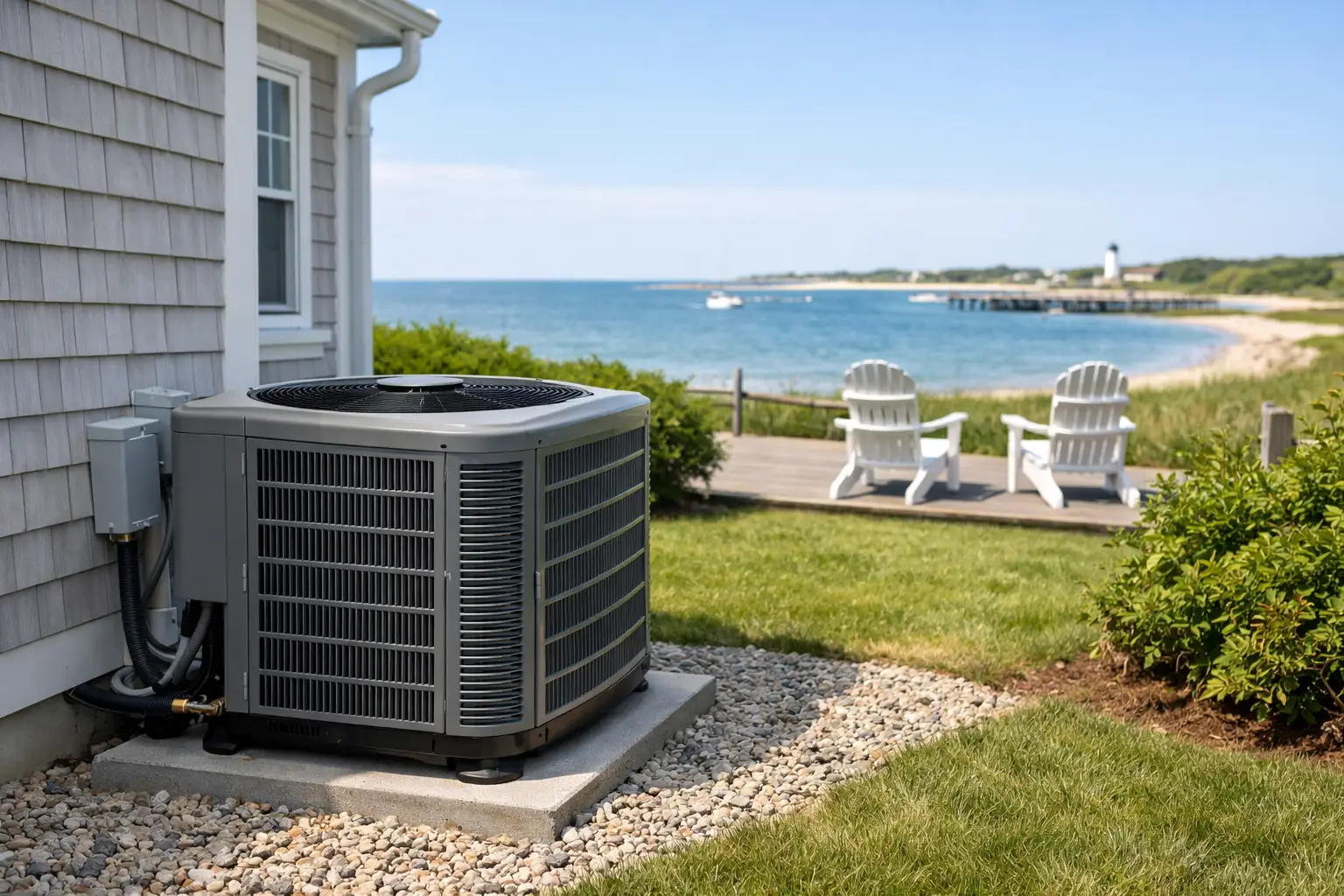
A Cape Cod summer can turn uncomfortable fast when an aging AC system starts blowing warm air, leaking water, or tripping breakers. If you are searching for a replacement air conditioner in Harwich, MA, the goal is not simply to get cool again. It is to choose a properly sized system that can handle humid coastal weather, fit your home or business, and provide dependable comfort for years.
Replacing an air conditioner is a significant decision, especially when the old system fails during a heat wave. A qualified HVAC technician can help separate a repairable problem from a system that is costing more to keep alive than it is worth.
When AC Repair Stops Making Financial Sense
Most air conditioners can be repaired, but not every repair is the smart choice. If your system is relatively new and has a straightforward issue, such as a failed capacitor, contactor, or thermostat, repair is often the practical path. The decision changes when repairs become frequent, expensive, or fail to resolve uneven cooling and humidity problems.
Age is one of the first factors to consider. Central air conditioners commonly last around 12 to 15 years, though maintenance history, installation quality, and salt air exposure can affect that timeline. Outdoor equipment near the coast works in a demanding environment. Corrosion on coils, electrical components, and cabinet panels can shorten the useful life of equipment that might otherwise have more years left.
Replacement may be worth considering if your AC has recurring refrigerant leaks, needs a major compressor repair, uses an older refrigerant, or requires service several times each season. Rising electric bills are another warning sign. An older unit can still run, but it may need much more electricity to produce the same amount of cooling.
A good contractor should explain the repair cost, the condition of the rest of the system, and the likely remaining life of the equipment. That gives you a real choice instead of pressure to replace a unit before it is necessary.
Choosing a Replacement Air Conditioner in Harwich, MA
The right system is based on more than the square footage listed on a real estate listing. A replacement air conditioner in Harwich, MA should be selected with the building's layout, insulation, windows, ductwork, sun exposure, occupancy, and cooling needs in mind.
Proper sizing comes first
An oversized AC can cool rooms quickly but shut off before removing enough moisture from the air. The result can be a house that feels chilly and clammy at the same time. An undersized system may run continuously on hot days without reaching the thermostat setting.
Professional sizing calculations account for heat gain throughout the home or building. This is especially useful for additions, remodeled spaces, second floors, rooms with large west-facing windows, and older Cape homes with inconsistent insulation. Replacing a system with the exact same size is not always correct, particularly if the home has changed since the original equipment was installed.
Efficiency should match how you use the property
Higher-efficiency air conditioners can reduce operating costs, but the best value depends on the system price, how long you expect to own the property, and how heavily you use cooling. A vacation home used a few weeks each summer may call for a different investment than a year-round residence or commercial space.
Variable-speed systems and compatible thermostats can offer steadier temperatures, quieter operation, and improved humidity control. They also tend to cost more up front. For many homeowners, a well-installed mid-efficiency system is a better investment than premium equipment installed without proper attention to ductwork, drainage, and airflow.
Central air, heat pumps, and ductless options
If your home already has usable ductwork, a central air conditioner may be the most direct replacement. It can provide whole-home cooling while using the existing distribution system, provided the ducts are properly sized and sealed.
A heat pump is another option worth discussing. It cools in summer and provides efficient heating during much of the year. Many Cape Cod property owners consider heat pumps when replacing aging central AC because they can reduce reliance on fossil-fuel heating equipment during milder weather. Available Mass Save rebates and financing options can make certain qualifying upgrades more manageable, but program requirements and incentive amounts can change.
Ductless mini-splits work well for additions, older homes without ducts, converted garages, individual rooms, and areas that never stay comfortable with a central system. They are not automatically the best answer for every home. A technician should assess where indoor units can be placed, how the space is used, and whether a multi-zone system is the most cost-effective approach.
Do Not Overlook Ductwork and Indoor Airflow
A new outdoor condenser cannot correct problems created by leaking, undersized, disconnected, or poorly insulated ducts. If certain rooms are always hot, vents have weak airflow, or you see dust gathering around registers, the duct system deserves attention before installation day.
Duct inspection can reveal restrictions, damaged flex duct, poor returns, and air loss in attics or crawl spaces. Addressing these issues may improve comfort as much as selecting higher-efficiency equipment. It also helps the new system operate closer to its intended performance level.
Drainage matters, too. Air conditioning removes moisture from indoor air, and that water must leave through a properly installed condensate drain. A blocked or poorly routed drain can cause water damage, shut down equipment, or create avoidable service calls. During replacement, technicians should confirm that the drain, safety switches, electrical connections, refrigerant lines, and pad or mounting location are in good condition.
What to Expect During a Professional AC Replacement
A replacement project begins with an on-site evaluation, not a guess over the phone. The technician reviews the existing system, electrical capacity, ductwork, thermostat, equipment access, and any comfort concerns you have noticed. You should receive clear recommendations and an explanation of the options that fit your property.
On installation day, the old equipment is removed and the new system is set in place. Depending on the project, the work may include updates to refrigerant lines, electrical disconnects, drain piping, filters, thermostats, and duct connections. The crew should protect work areas, test the system after installation, and verify airflow and cooling operation before leaving.
For commercial properties and rental homes, scheduling matters just as much as equipment selection. Planning a replacement before a complete breakdown can reduce disruption for employees, tenants, guests, or customers. It also gives you time to compare options instead of making a rushed decision during the busiest part of summer.
Questions Worth Asking Before You Approve the Work
Before moving ahead, ask whether the proposed system has been sized for your home, whether the existing ducts are suitable, and what equipment warranty is included. You should also ask about expected maintenance needs, filter requirements, thermostat compatibility, and any available rebates or financing.
Ask who will perform the work and how the system will be commissioned after installation. Licensed, certified technicians and a company that stands behind its labor can make a meaningful difference after the equipment is installed. Durfee Plumbing & Heating provides HVAC service across Cape Cod with trained technicians, fully stocked trucks, financing options, and a 1-year parts and labor warranty for added confidence.
Protecting Your New System After Installation
A new AC needs basic upkeep to deliver the efficiency and comfort you paid for. Replace or clean filters on schedule, keep the outdoor unit clear of leaves and overgrown shrubs, and do not block supply or return vents with furniture. If you have seasonal property use, schedule maintenance before cooling season rather than waiting for the first hot weekend.
Professional maintenance helps catch worn electrical components, drain issues, low airflow, and coil buildup early. It is also a good time to discuss any room that is still too warm, too cold, or too humid. Small adjustments are easier to make before they become a summer emergency.
When your current unit is unreliable, acting before a full failure gives you more control over the decision. A thoughtful evaluation can help you replace the equipment once, choose it well, and head into the next stretch of hot weather with comfort you can count on.