
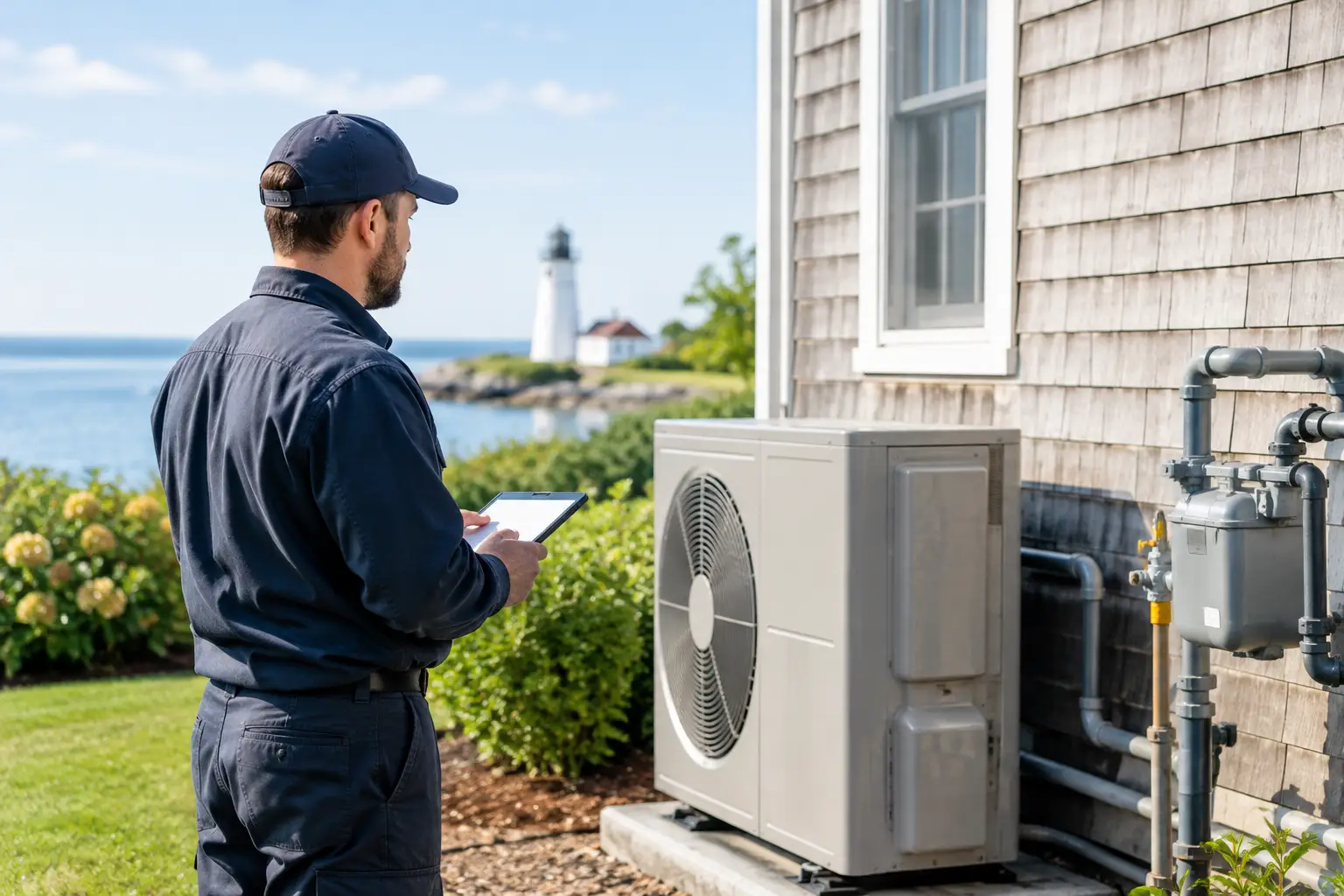
The oil to gas conversion Cape Cod homeowners are considering is rarely a simple equipment swap. On the Cape, the decision often starts after an oil burner becomes unreliable, fuel deliveries feel unpredictable, or an aging tank raises a safety concern. A properly planned conversion can improve convenience and modernize your heating system, but the right answer depends on gas availability, the condition of your existing equipment, and what will serve your home best over the long term.
Start With Natural Gas Availability
Before comparing boilers or estimating savings, confirm whether natural gas service is available at your property. Not every Cape Cod street has a natural gas main, and service can vary from one neighborhood to the next. If a main is nearby, the utility may be able to install or activate service. If it is not, bringing gas to the home can involve additional utility work and costs that change the value of the project.
Natural gas and propane are not interchangeable. A propane conversion may still be an option where natural gas is unavailable, but it requires an outdoor storage tank, fuel deliveries, and equipment configured specifically for propane. That can be a practical solution, but it should be evaluated separately from a natural-gas conversion.
A qualified heating contractor can assess your current system, determine what fuel options make sense, and coordinate the scope of work needed inside the home. Starting with a site visit avoids investing time in equipment choices before you know what the property can support.
What an Oil to Gas Conversion in Cape Cod Can Include
The work required depends on your existing heating setup. Some homes have a boiler that supplies baseboard or radiator heat. Others use a furnace with ductwork. Older homes may have a separate oil-fired water heater, while others make domestic hot water through the boiler.
In many cases, the project includes removing or disconnecting the oil-fired heating equipment, installing a gas boiler or furnace, running a properly sized gas line, completing venting, and connecting or replacing the water-heating equipment. Electrical work, thermostat upgrades, chimney modifications, and permits may also be part of the job.
An oil tank needs careful attention, too. Above-ground tanks and underground tanks have different removal, abandonment, and environmental requirements. Do not assume tank removal is a minor add-on. Ask early how the tank will be handled, who is responsible for the work, and whether the site will need restoration afterward.
Your Existing Distribution System Matters
Baseboards, radiators, ductwork, circulator pumps, and zone valves can often remain in place if they are in good condition and properly sized. That can reduce the cost and disruption of a conversion. However, aging distribution components may need repairs before a new high-efficiency boiler can perform as intended.
If your home has uneven heat, noisy pipes, cold rooms, or deteriorated ductwork, address those issues during planning. Installing new equipment without correcting a distribution problem can leave you with a more efficient system that still does not deliver consistent comfort.
Cost Depends on More Than the New Unit
Homeowners understandably want a clear price first. The most accurate number comes after an on-site evaluation because the equipment itself is only one part of the project. Gas line length and sizing, venting requirements, electrical upgrades, chimney work, oil-tank removal, and water-heater needs all affect the final cost.
A straightforward replacement in a home with gas already available can be far different from a project that needs a new service line, a high-efficiency venting route, or extensive changes to an older mechanical room. Choosing the lowest initial estimate without comparing the full scope can create expensive surprises later.
Ask for a written proposal that identifies the heating equipment, efficiency rating, gas-piping work, venting approach, permit responsibilities, oil-tank plan, warranty coverage, and any excluded work. This makes it easier to compare proposals fairly and understand what your investment covers.
Financing can make a larger heating upgrade more manageable, especially when a failing oil system needs prompt replacement. Available Mass Save rebates and other incentives can also affect the numbers, but programs, eligibility rules, and amounts change. Confirm current requirements before making a final decision rather than assuming a rebate will apply.
Will Converting From Oil to Gas Save Money?
It depends. Natural gas has historically offered convenient utility billing and can reduce fuel-delivery concerns, but energy prices move over time. Your actual operating costs will depend on the size and insulation of your home, thermostat settings, equipment efficiency, hot-water use, and the condition of your heating distribution system.
The largest gains often come when a homeowner replaces an oversized or failing oil system with properly sized, high-efficiency equipment and corrects related problems such as poor controls, leaky ducts, or inadequate insulation. Simply changing fuels does not guarantee a specific monthly savings amount.
Convenience can be just as valuable as fuel cost. With natural gas service, you do not need to monitor an oil tank or schedule delivery before a winter storm. For second homes and rental properties across Cape Cod, that added predictability can be a meaningful benefit.
Consider Heat Pumps Before You Commit
Gas is not the only path away from oil. Cold-climate heat pumps are increasingly common in Cape Cod homes, either as a full heating solution or as part of a dual-fuel setup. Ductless mini splits can provide efficient heating and air conditioning in homes without existing ductwork. Central heat pumps may be an option where ductwork is already present.
A heat pump can be especially attractive if your home needs cooling, if gas is unavailable, or if you want to reduce fossil-fuel use. On the other hand, some homes may benefit from retaining a boiler for hydronic heat while using heat pumps for shoulder seasons and cooling. The best approach depends on the building, not a one-size-fits-all recommendation.
An experienced contractor should be willing to compare the practical options. That means looking at your current heating load, fuel access, comfort goals, electrical capacity, and budget instead of treating every oil system as an automatic gas conversion candidate.
Choose a Contractor Who Plans the Whole Job
A conversion involves plumbing, heating, gas piping, venting, and often water-heating decisions. Work should be completed by properly licensed professionals who understand local code requirements and obtain required permits. Poor gas-pipe sizing or improper venting can affect safety, reliability, and equipment performance.
Look for a contractor who takes time to inspect the home, explains the equipment options in plain language, and provides a complete scope before work begins. You should also know who will be available if a problem occurs after installation. Durfee Plumbing & Heating provides licensed heating and gas-line service across Cape Cod, with financing options and a one-year parts and labor warranty for added peace of mind.
Questions Worth Asking Before You Schedule
Ask whether natural gas is available at your address and whether the proposed equipment is sized using a heat-loss calculation. Confirm how the oil tank, chimney, venting, permits, and existing water heater will be handled. Also ask what maintenance the new system needs and what warranty applies to both labor and equipment.
These questions are not just paperwork. They reveal whether the proposal is built around your home or based on assumptions.
A dependable heating upgrade should leave you with a safer, more manageable system and a clear plan for the years ahead. Whether gas is the right move or a heat pump better fits your property, start with a thorough assessment so your next heating decision solves more than one winter's problem.



