When your furnace fires up, runs for a minute or two, then shuts off before your home feels warm, it is not just annoying. If you are asking why is furnace short cycling, you are already seeing one of the most common warning signs that something in the heating system is off. Left alone, short cycling can drive up energy bills, wear out parts faster, and leave your home unevenly heated right when you need steady heat the most.
What furnace short cycling means
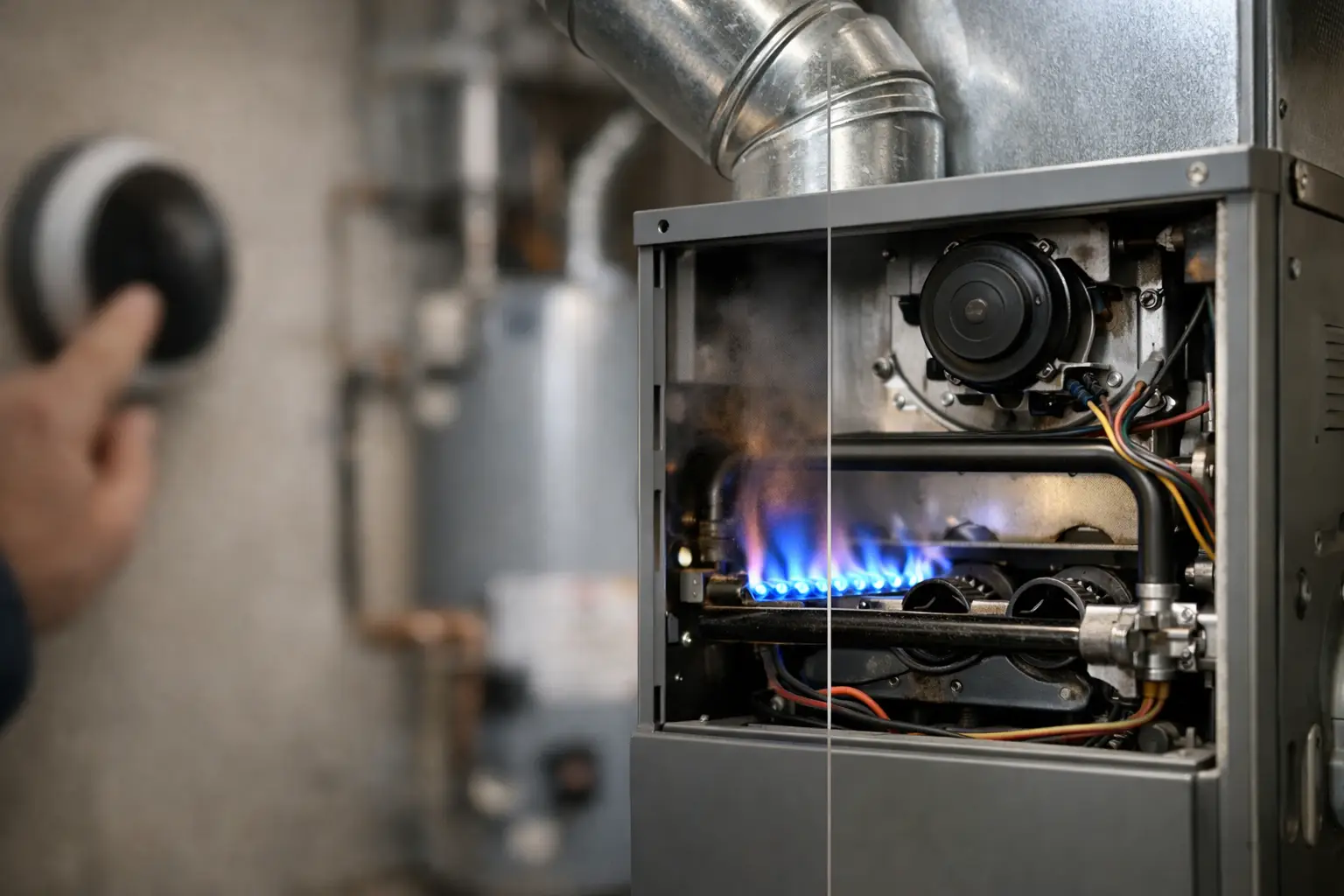
A normal heating cycle should last long enough for the furnace to raise indoor temperature gradually, then shut off once the thermostat setting is reached. Short cycling happens when the furnace turns on and off too frequently, often after only a brief run time.
That rapid stop-and-start pattern puts extra strain on the system. The blower, burners, igniter, and control components all work harder because the furnace keeps trying to restart instead of completing a regular cycle. In colder parts of the season, that can mean a house that never quite gets comfortable.
Why is furnace short cycling? The most common causes
There is no single answer to why a furnace short cycles. Sometimes the fix is simple. Other times, the issue points to a safety problem or a larger repair.
Dirty air filter
A clogged air filter is one of the most common reasons a furnace starts short cycling. When airflow is restricted, heat builds up inside the system faster than it should. The furnace can then trip a high-limit safety switch, which shuts the burners down to prevent overheating.
In many homes, this is the first thing worth checking. If the filter is packed with dust, pet hair, or seasonal debris, replacing it may improve airflow right away. That said, if the furnace has been overheating for a while, the filter may be only part of the problem.
Blocked or closed vents
Even with a clean filter, airflow can still be restricted if supply vents or return grilles are blocked by furniture, rugs, or clutter. Closing too many vents in unused rooms can create the same issue. People often do this thinking it will save money, but it can throw off system pressure and cause the furnace to overheat.
A forced-air system needs a balanced path for air to move through the home and back to the unit. When that path is choked off, short cycling can follow.
Thermostat problems
Sometimes the furnace itself is not the main issue. The thermostat may be reading temperature incorrectly, placed in a poor location, or malfunctioning.
If the thermostat sits too close to a supply register, fireplace, sunny window, or another heat source, it may think the home has reached the target temperature long before the rest of the house does. Weak batteries, loose wiring, and calibration issues can also cause erratic cycling.
Overheating from a dirty flame sensor or internal components
Furnaces rely on several safety and performance components working together. If the flame sensor is dirty, the system may shut down shortly after ignition because it cannot confirm a stable flame. If the evaporator coil above the furnace is dirty in a combined HVAC system, airflow may also be reduced enough to create overheating.
These issues are not always visible from the outside, which is why short cycling that continues after a filter change usually deserves a professional inspection.
Oversized furnace
A furnace that is too large for the home can short cycle because it heats the space too quickly. On paper, bigger may sound better. In practice, an oversized system often turns on, blasts heat, satisfies the thermostat fast, and shuts off before air has circulated evenly.
This can leave hot and cold spots throughout the house and increase wear on the system. Oversizing is especially important in replacement jobs where equipment was selected years ago without a proper load calculation, or where insulation and windows have since improved.
Venting or exhaust issues
Modern furnaces need proper venting to operate safely. If the intake or exhaust pipe is blocked by debris, snow, ice, or nesting material, the furnace may shut down as a protective measure. Pressure switch problems can create similar symptoms.
On Cape Cod, winter wind, coastal moisture, and blowing debris can make venting issues more likely than some homeowners expect. This is not a problem to ignore, since improper venting can involve combustion safety.
Limit switch or control board problems
A failing limit switch may shut the furnace down too early, even when overheating is not the true cause. Control board issues can also cause irregular cycles, failed communication between components, or random shutdowns.
These are harder to diagnose without testing equipment. If your furnace keeps cycling after basic airflow checks, electrical or control issues move higher on the suspect list.
Signs the problem is getting worse
Short cycling rarely stays harmless for long. What starts as a mild nuisance can become a no-heat call when a stressed component finally fails.
Watch for warning signs like rising heating bills, rooms that never warm evenly, loud startup noises, frequent thermostat adjustments, or a furnace that seems to run constantly in tiny bursts. If the unit starts blowing cool air between cycles or shuts down completely, the issue may already be moving beyond a minor fix.
What you can check before calling for repair
There are a few safe, practical steps homeowners can take before scheduling service. Start with the thermostat. Make sure it is set to heat, the temperature setting is correct, and the batteries are fresh if your model uses them.
Next, inspect the air filter. If it is dirty, replace it with the right size and type recommended for your system. Then make sure supply vents and return grilles are open and unobstructed.
If your furnace has high-efficiency intake and exhaust pipes outdoors, check that they are clear of visible blockage. Snow, leaves, and debris can sometimes interfere with operation. Beyond that, it is best not to keep resetting the system or opening panels. Repeated restarts can put more stress on the furnace and may delay proper diagnosis.
When short cycling needs professional attention
If the furnace still short cycles after the filter and airflow checks, professional service is the smart next step. This is especially true if you smell gas, hear popping or banging, notice a burning odor, or see the system shutting down repeatedly within minutes.
A licensed HVAC technician can test temperature rise, inspect the heat exchanger area, verify thermostat operation, check safety switches, clean critical sensors, and confirm whether the system is properly sized. That matters because short cycling is a symptom, not a single repair. Guessing can waste time and money.
For homeowners and property managers, quick diagnosis also helps avoid secondary damage. A system that overheats repeatedly can shorten the life of expensive parts. In some cases, what could have been a straightforward service call turns into an after-hours breakdown during the coldest part of the week.
Why fast action saves money
Many people put off service because the furnace is still producing some heat. The trouble is that short cycling usually makes the system less efficient while increasing wear at the same time. You pay more to get less comfort.
There is also the question of system age. If an older furnace is short cycling, repair may still be the right move, but it depends on the cause, condition, and frequency of breakdowns. A good technician should explain that honestly. Sometimes a small repair restores normal operation. Sometimes the cycling is part of a bigger pattern that points toward replacement planning.
That kind of clear guidance matters, especially in a region where winter reliability is not optional. Durfee Plumbing & Heating works with homeowners across Cape Cod who need answers quickly, whether the issue is a clogged filter, a faulty sensor, or a larger heating repair.
How to help prevent furnace short cycling
Routine maintenance goes a long way here. Annual furnace service helps catch airflow restrictions, dirty burners, flame sensor buildup, venting concerns, and worn controls before they turn into frequent cycling.
Homeowners can help by replacing filters on schedule, keeping vents open, and paying attention to small changes in system behavior. If the furnace starts acting differently, responds slowly, or cycles more often than usual, early service is usually less disruptive than waiting for a full shutdown.
A furnace should not have to fight its way through every heating cycle. If yours keeps starting and stopping, trust that pattern for what it is - a sign your system needs attention before a small issue turns into a cold house and a bigger repair bill.