A leaking water heater can turn a normal morning into a basement cleanup, cold shower, and urgent service call. For water heater replacement Dennis MA homeowners need, the right timing and equipment choice can prevent that disruption while helping control energy use and long-term operating costs.
Water heaters rarely fail at a convenient time. They work quietly every day, often in a utility room, basement, garage, or crawl space, until the tank begins to leak or the hot water disappears. Knowing when replacement is the smarter option gives you time to choose a system that fits your property instead of settling for whatever is available during an emergency.
When Water Heater Replacement in Dennis MA Is the Better Call
A repair can make sense when the issue is isolated, such as a failed heating element, thermostat, pressure relief valve, or pilot assembly. But repairs do not correct corrosion inside an aging tank. Once the steel tank itself is compromised, replacement is usually the practical and safer decision.
Age is one of the clearest indicators. A standard tank-style water heater often lasts around 8 to 12 years, depending on water conditions, maintenance, usage, and installation quality. If your unit is near or beyond that range, even a working heater deserves closer attention. The manufacturer date is typically included in the serial number on the unit's label.
Call for an assessment if you notice rusty or discolored hot water, moisture around the base of the tank, rumbling or popping noises, inconsistent water temperatures, or a reduced supply of hot water. Water around fittings may be repairable, but water coming from the tank body itself generally means the internal lining has failed.
For seasonal Cape Cod homes, an older water heater can create an added concern. A leak that starts while a property is vacant may go unnoticed long enough to damage flooring, finished spaces, or stored belongings. Replacing a questionable unit before a period of extended vacancy can be a sensible preventive step.
Choosing the Right Type of Water Heater
The best replacement is not always the largest tank or the newest technology. Your household size, fuel source, plumbing layout, hot-water habits, installation space, budget, and future plans for the property all matter.
Standard Tank Water Heaters
Conventional storage-tank water heaters remain a dependable choice for many homes and commercial spaces. They hold a reserve of heated water, are available in a range of capacities, and can be fueled by electricity, natural gas, propane, or oil depending on the system and property setup.
For a household with predictable hot-water needs, a properly sized tank can deliver straightforward performance at a lower upfront cost than some advanced alternatives. The trade-off is standby heat loss, meaning the system uses energy to keep stored water hot even when no one is using it.
Sizing should be based on more than the number of bedrooms. A home with multiple showers running in the morning, a large soaking tub, frequent laundry, or a dishwasher used daily may need more capacity or a higher recovery rate. Installing a tank that is too small often creates a frustrating cycle of running out of hot water during peak use.
Tankless Water Heaters
Tankless water heaters heat water on demand rather than storing it in a large tank. They can provide a continuous supply of hot water when sized correctly, take up less space, and may reduce energy use for households with moderate demand.
They are not automatically the right answer for every property. Tankless units must be sized for the maximum simultaneous demand, not just one shower. A household that may run two showers, a washing machine, and a sink at the same time needs a unit with adequate flow capacity for Dennis winter incoming-water temperatures. Gas-fired models may also require gas-line upgrades and dedicated venting.
A tankless system can be an excellent fit for a smaller home, a remodeled mechanical room, or an owner who wants a long-term efficiency upgrade. It is a project that needs careful planning, not a simple equipment swap.
Heat Pump Water Heaters
Heat pump water heaters use electricity to move heat from the surrounding air into the water. They can be highly efficient and may qualify for available energy-efficiency incentives, including programs associated with Mass Save when eligibility requirements are met.
These systems work best in locations with enough air volume and suitable temperatures, such as a larger basement, utility area, or garage. They also produce some cool, dry air and make more operational noise than a typical electric tank. In a tight closet or a finished area where sound and cooling are concerns, another option may be better.
The higher initial cost can be offset by lower operating costs over time, especially for households with consistent hot-water use. Financing can also make a high-efficiency upgrade easier to plan without delaying a needed replacement.
What a Professional Installation Should Include
Water heater replacement involves more than removing an old appliance and connecting a new one. Correct installation protects the equipment, the building, and everyone using the hot-water system.
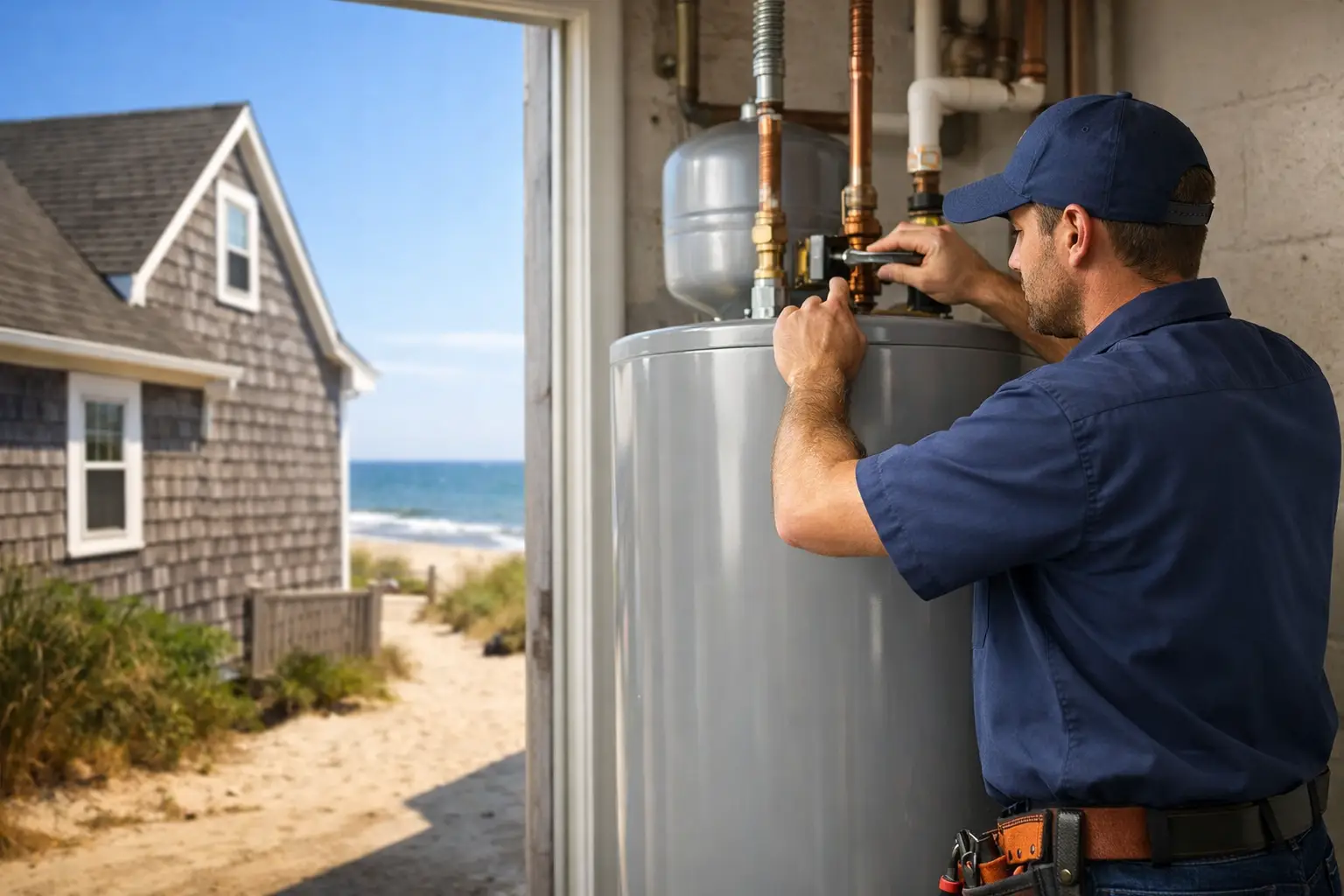
A licensed technician should verify the unit's size and fuel type, inspect the existing water and gas connections where applicable, confirm venting requirements, and ensure the pressure relief valve is properly installed and piped. Expansion tank needs, shutoff valves, drain connections, electrical requirements, and local code compliance should all be addressed before the system is placed into service.
If the old heater failed from heavy sediment buildup, corrosion, or a plumbing issue, the installer should also consider what contributed to the failure. Replacing the tank without checking the surrounding conditions can leave the new equipment exposed to the same problem.
At Durfee Plumbing & Heating, licensed and certified technicians can help homeowners and property managers evaluate replacement options, complete the installation, and explain how to operate the new system. A one-year parts and labor warranty adds useful peace of mind after the work is complete.
How to Prepare for a Water Heater Replacement
If your current unit is still operating, schedule replacement before it becomes an emergency. You will have more flexibility to compare equipment, review efficiency options, and coordinate installation around your schedule.
Before the appointment, clear a path to the water heater and remove stored items from the work area. Let the technician know about access limitations, such as narrow stairs, finished basements, crawl spaces, or parking restrictions. For a commercial property, identify any operating hours or tenant needs that affect when hot water can be shut off.
It also helps to think through your actual hot-water use. Mention how many people use the building, whether there are high-demand periods, and whether you plan future additions, bathroom renovations, or appliance upgrades. This information helps prevent under-sizing and supports a recommendation that fits the property rather than a one-size-fits-all answer.
Do Not Wait on an Active Leak
If water is actively pooling around the heater, turn off the water supply to the unit if you can do so safely. For electric water heaters, shut off power at the breaker. For gas units, avoid attempting unfamiliar gas or venting repairs. Move valuable items away from the area and contact a qualified plumbing professional promptly.
A leak can worsen quickly, especially when the tank wall has deteriorated. Fast action may limit water damage and reduce the chance of losing hot water at the most inconvenient moment. For urgent problems, 24/7 availability matters because a failed water heater does not wait for regular business hours.
A new water heater should provide dependable hot water without becoming another item to worry about. If yours is aging, noisy, leaking, or no longer meeting demand, arranging an evaluation now can give you a clear path forward before a small warning becomes a major interruption.