
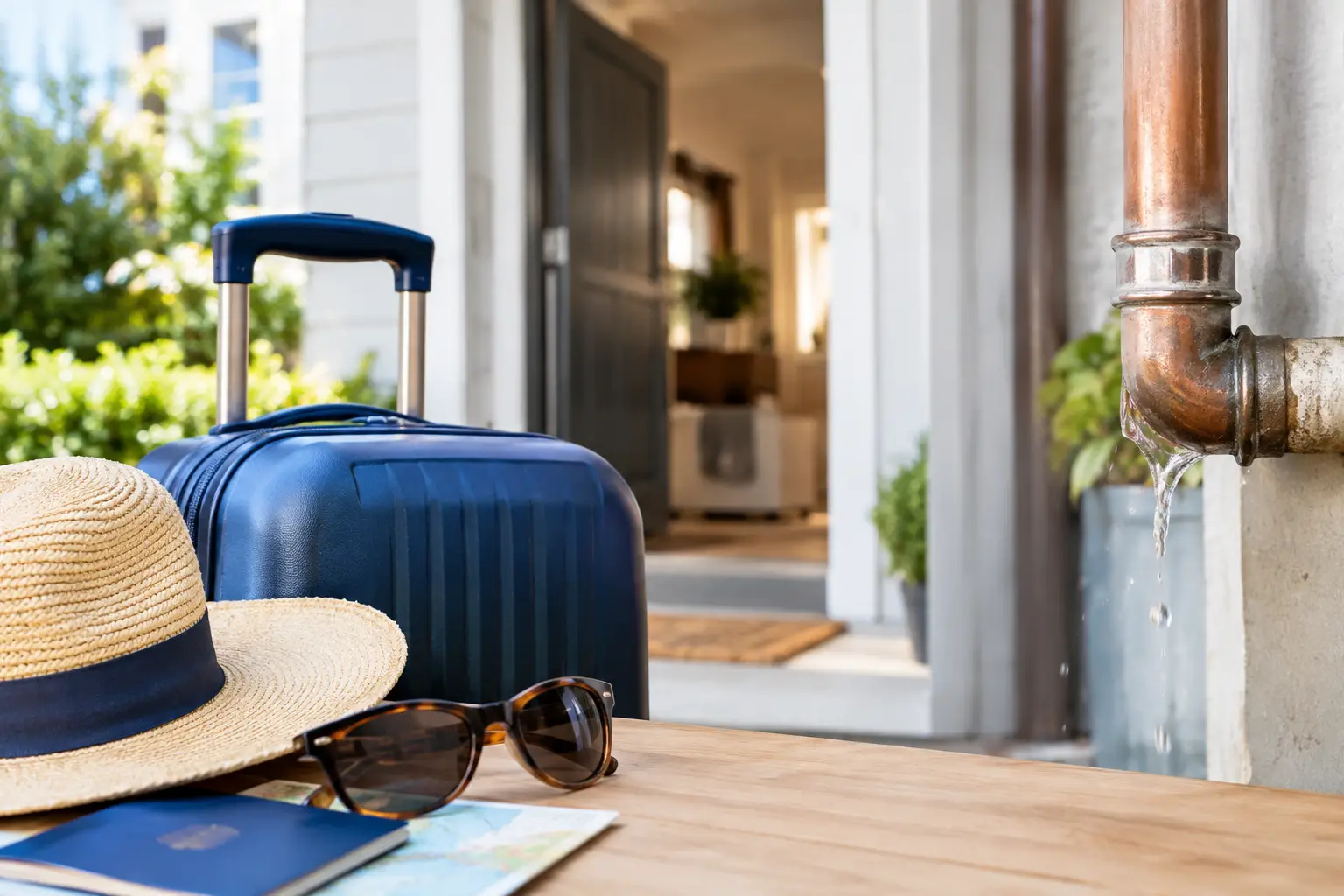
A burst pipe can release hundreds of gallons of water in a matter of hours, and vacation pipe damage often gets worse because nobody is home to see the first drip, cold room, or water stain. For Cape Cod homeowners, seasonal residents, and property managers, a short trip can turn into a major cleanup if freezing temperatures or an unnoticed plumbing failure is left unchecked.
The good news is that most vacation-related plumbing damage is preventable. A few decisions before you leave - especially during fall and winter - can protect your pipes, reduce water-loss risk, and give you a clear plan if something goes wrong.
Why Vacation Pipe Damage Happens
Pipes rarely fail without a contributing issue. In unoccupied homes, the most common cause is freezing. When water freezes inside a pipe, it expands and creates pressure that can split copper, PVC, PEX, and fittings. The pipe may not leak immediately. Often, the break becomes obvious only after temperatures rise and the ice thaws.
Cape Cod homes can be especially vulnerable because many have crawl spaces, exterior walls, attic plumbing, additions, garages, or seasonal-use areas that do not receive consistent heat. Coastal weather also changes quickly. A house that feels adequately heated during a mild afternoon can have cold pockets overnight when wind and temperatures drop.
A frozen line is not the only concern. Aging supply hoses, failing water heaters, toilet leaks, sump pump failures, clogged drains, and malfunctioning appliances can all cause water damage while a property is empty. A vacant commercial property may face similar risks, particularly if a restroom, utility room, or mechanical space is not inspected regularly.
Before You Leave: Choose the Right Water Strategy
The right preparation depends on when you are traveling, how long you will be away, the age of the plumbing system, and whether someone can check the property. For a weekend trip in mild weather, keeping the home heated and monitoring it may be enough. For an extended winter absence or a seasonal property, professional winterization may be the safer choice.
Keep the Heat On at a Safe Setting
Do not turn the heat off to save money during cold weather. Maintain indoor temperatures at 55 degrees or higher, with a higher setting if parts of the home are prone to drafts or have plumbing near exterior walls. Leave interior doors open where practical so warm air can circulate around bathrooms, kitchens, and utility areas.
If you use a programmable thermostat, confirm that it is working before departure. Replace weak batteries when applicable and make sure its settings will not automatically lower the temperature too far. A smart thermostat can provide valuable alerts, but it is only useful if it has a reliable internet connection and someone is ready to respond.
Shut Off Water When It Makes Sense
For many homeowners, shutting off the main water supply is one of the most effective ways to limit water damage during a trip. If a supply line fails while the main valve is open, water can continue flowing until someone discovers it. With the main water turned off, there may still be a small amount of water in the pipes, but the potential volume of a leak is dramatically lower.
After closing the main valve, open a faucet briefly to relieve pressure. This is a practical step for a vacant home, but it is not always appropriate for every property. Some heating systems, fire protection systems, water treatment equipment, or occupied tenant spaces require water to remain on. If you are unsure, ask a licensed plumber to review your setup before leaving.
Winterize Seasonal or Long-Vacant Properties
Winterization goes beyond turning off water. It generally involves shutting down the water supply, draining water lines, protecting traps and fixtures, and preparing vulnerable equipment for freezing conditions. The goal is to remove or protect the water that could freeze inside the plumbing system.
This work needs to be done correctly. Incomplete draining can leave water in low spots, appliance lines, outdoor fixtures, or toilet tanks. Improperly handled systems can also lead to problems when the home is reopened. Professional plumbing winterization is a sensible investment for vacant Cape Cod homes, rental properties between seasons, and any building that will not be monitored through freezing weather.
Check These Areas Before Traveling
A quick inspection before departure can catch small issues before they become a vacation emergency. Start at the water heater and look for moisture around the base, corrosion, dripping valves, or unusual sounds. Check beneath sinks, around toilets, behind washing machines, and near dishwashers for dampness or old supply hoses.
Pay close attention to exposed plumbing. Pipes in basements, crawl spaces, garages, attics, and exterior-facing cabinets are more likely to freeze. Insulation helps, but it does not replace adequate heat. If you have had frozen pipes in the past, treat that location as a priority every winter.
For extended absences, confirm that gutters and drainage paths are clear as well. Melting snow and ice can enter a building through roof or foundation issues, creating water damage that may look similar to a plumbing leak at first.
Use Monitoring That Gives You Time to Respond
Monitoring devices cannot prevent every problem, but they can shorten the time between a failure and a response. That difference can save flooring, drywall, insulation, furniture, inventory, and electrical components.
Consider a low-temperature alert in the home, particularly near vulnerable plumbing or in the basement. Water sensors placed under sinks, near the water heater, and behind appliances can also send an early warning when moisture is detected. Whole-home leak detection systems can monitor unusual water usage and, in some cases, automatically shut off the water supply.
Technology has trade-offs. Sensors need power, internet access, and occasional testing. They also need a person who will answer the alert. Before leaving, identify a neighbor, family member, property manager, or service professional who has access to the property and knows where the main water shutoff is located.
What to Do If a Pipe Breaks While You Are Away
If you receive a leak alert, hear from a neighbor, or return to signs of water damage, act quickly. Shut off the main water supply if it is still on. If water is near electrical outlets, panels, appliances, or visible wiring, avoid entering the affected area until it is safe to do so.
Document visible damage with photos for your insurance provider, but do not delay emergency service while trying to document every detail. Standing water should be addressed promptly to reduce material damage and mold risk. A licensed plumber can identify the failed pipe or fixture, make the repair, and help determine whether freezing, pressure, corrosion, or a worn component caused the problem.
Do not assume that a single repaired break means the rest of the system is fine. When pipes freeze, multiple sections may have been exposed to the same temperatures. A thorough inspection is worthwhile before restoring normal water use.
When to Call a Professional Before Your Trip
Call for plumbing help before traveling if you have a history of frozen pipes, an unreliable heating system, a water heater near the end of its service life, unexplained moisture, or a main shutoff valve that does not work properly. These are not details to postpone until the forecast turns cold.
Property owners in Barnstable County who leave homes vacant for weeks or months should also consider a pre-departure plumbing inspection and winterization plan. Durfee Plumbing & Heating can help evaluate exposed lines, shutoff options, water heaters, and cold-weather vulnerabilities, with 24/7 emergency availability if an urgent issue develops.
A few minutes of preparation can make the difference between coming home to a normal house and coming home to wet floors, damaged walls, and an avoidable repair. Before you pack, make sure your heat is dependable, your water plan fits the property, and someone can respond if your home sends an alert.



