Running out of hot water halfway through a shower is one problem. Replacing a failed water heater during a busy week in the middle of winter is a bigger one. This tankless water heater review is built for homeowners and property managers who want a clear answer on whether tankless is actually a smart upgrade or just a more expensive appliance with better marketing.
For many homes, tankless systems are a strong fit. They save space, deliver hot water on demand, and can lower energy use compared with older storage tanks. But they are not automatically the right choice for every property, every budget, or every plumbing setup. The details matter, especially in older homes and high-demand households.
Tankless water heater review: what stands out first
The biggest advantage is simple. A tankless water heater heats water as it moves through the unit, so you are not paying to keep 40 or 50 gallons hot all day. That alone makes the system appealing to homeowners focused on efficiency and long-term operating costs.
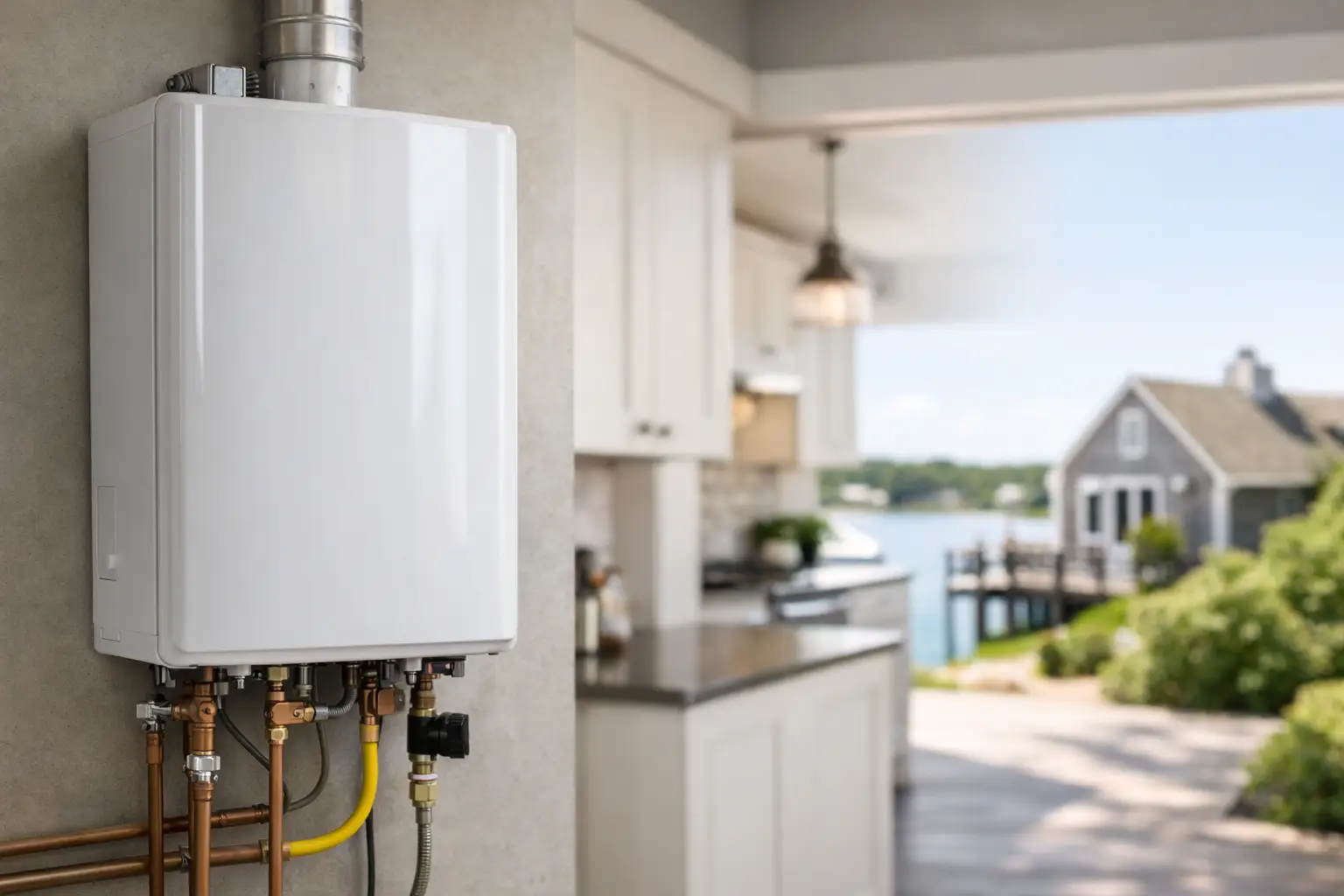
The second thing people notice is the size. Tankless units mount on a wall and free up floor space in utility rooms, basements, and mechanical closets. In tighter homes, condos, and renovated properties, that can be a real benefit.
The third advantage is service life. A well-installed and properly maintained tankless system often lasts longer than a traditional tank water heater. That does not mean it lasts forever, and it does not mean maintenance can be ignored. It means the value can be there if the installation is done correctly and the unit is matched to the home.
Where tankless performs well
Tankless systems tend to work best in homes where energy efficiency matters, space is limited, and hot water demand is predictable. If your household uses hot water throughout the day rather than in one heavy burst, tankless can be a very comfortable setup.
They also make sense when you are already updating gas lines, venting, or major plumbing. If infrastructure work is happening anyway, the upgrade path is often easier to justify. In some cases, rebates and financing can make the upfront cost more manageable, which is worth looking at before ruling it out.
In Cape Cod homes, tankless can be especially appealing in properties with limited utility space or in houses where owners want a cleaner mechanical layout. Seasonal homes can also benefit from not storing heated water continuously when the property is not being used the same way year-round.
The trade-offs homeowners should know
This is where a good tankless water heater review needs to be honest. The main drawback is upfront cost. Tankless units typically cost more to purchase and install than standard tank models, and that installation cost can rise if the home needs gas line upgrades, venting changes, electrical work, or plumbing modifications.
Another issue is flow rate. Tankless systems do not create unlimited hot water for unlimited fixtures all at once. They provide hot water continuously, but only up to the unit's rated capacity. If two showers, a dishwasher, and a washing machine all start pulling hot water together, an undersized unit may struggle.
There is also a short delay factor. Some homeowners expect instant hot water at every tap, but tankless does not eliminate the time it takes water to travel through pipes. It heats on demand, but the plumbing layout still affects delivery time.
Finally, maintenance matters more than some people expect. In areas with mineral content in the water, periodic flushing is important to protect heat exchanger performance and system life. Skipping maintenance can reduce efficiency and increase the chance of service issues.
Tankless vs. traditional tank water heaters
A standard tank water heater wins on simplicity and lower initial cost. For homes with moderate needs and a tighter budget, a quality tank model may still be the better value. If your current tank sits in a garage or basement with plenty of room, and your household is not constantly draining the hot water supply, replacing like for like can be the practical move.
Tankless wins when you are thinking longer term. You get better space efficiency, less standby heat loss, and the potential for a longer service life. You also avoid the common complaint of running out of hot water after back-to-back showers.
The real question is not which technology is better in general. It is which one fits your property, usage pattern, and budget. A large family with multiple bathrooms may need a high-capacity tankless unit or even more than one unit. A smaller household may get excellent results from a single properly sized system.
Sizing matters more than brand hype
A lot of disappointment with tankless comes down to poor sizing, not bad equipment. The unit has to be selected based on peak hot water demand, incoming water temperature, and the number of fixtures likely to run at the same time.
That incoming water temperature piece is important. In colder climates, the system has to work harder to raise water to the desired temperature. That affects how much hot water the unit can supply at once. A model that performs well in one region may not deliver the same way in another if sizing is done too casually.
This is why online comparisons only go so far. Product specs matter, but field conditions matter more. A licensed installer should be evaluating gas capacity, venting requirements, pipe layout, fixture demand, and whether the home's electrical or plumbing infrastructure supports the unit properly.
Installation is where the real value is decided
A quality tankless unit installed poorly is still a bad investment. This is one of the most important parts of any tankless water heater review because homeowners often compare equipment but underestimate installation.
Proper venting, correct gas pressure, combustion safety, condensate handling where required, and manufacturer-specific setup all affect performance. So does the location of the unit and the condition of the existing plumbing system.
A professional installation also helps protect your warranty coverage and reduces the chance of callbacks, nuisance shutdowns, or efficiency losses. If the goal is dependable hot water, the installer matters just as much as the model number on the box.
Is tankless worth it for older homes?
Sometimes yes, sometimes no. Older homes often need a closer look before switching from tank to tankless. The existing gas line may be too small. Venting may need to be updated. Water quality and pipe condition may also affect performance and maintenance needs.
That does not mean older homes are poor candidates. Many are upgraded successfully. It just means the project should start with a real evaluation, not an assumption that tankless is a drop-in replacement. In many Cape homes, especially where systems have been added onto over time, a site-specific review is the only way to know the true installation cost.
What a good buyer should ask before installing one
Before moving forward, ask how the unit is being sized, whether any gas or venting upgrades are needed, what maintenance schedule is recommended, and how warranty coverage works. You should also ask what happens during heavy simultaneous demand and whether a recirculation option makes sense for your layout.
Those questions help you get past sales language and into real performance. A dependable contractor should be able to explain the trade-offs in plain terms and tell you when tankless is not the best fit.
Final take on this tankless water heater review
Tankless water heaters earn their reputation when the home is a good match and the installation is done right. They are efficient, compact, and capable of delivering reliable hot water without the storage limits of a tank. But they are not the cheapest option up front, and they are not one-size-fits-all.
If you are weighing replacement options, the smartest move is to look at the whole system, not just the appliance. A well-sized unit, installed by licensed professionals, can be a worthwhile upgrade that pays off in comfort, space savings, and long-term performance. The right answer is the one that keeps your hot water dependable when your household actually needs it.