A burst washing machine hose at 2 a.m. is bad enough. Finding out it had been dripping slowly behind the wall for weeks is worse. That is why smart leak detection trends matter right now for homeowners, property managers, and business owners who want fewer surprises, lower repair costs, and more control over their plumbing systems.
The biggest shift is simple. Leak detection is no longer limited to spotting a puddle after damage has already started. Newer systems are built to notice changes in flow, pressure, temperature, and moisture long before a leak turns into a major cleanup. For older homes, seasonal properties, and mixed-use buildings, that early warning can make a real difference.
What smart leak detection trends are changing
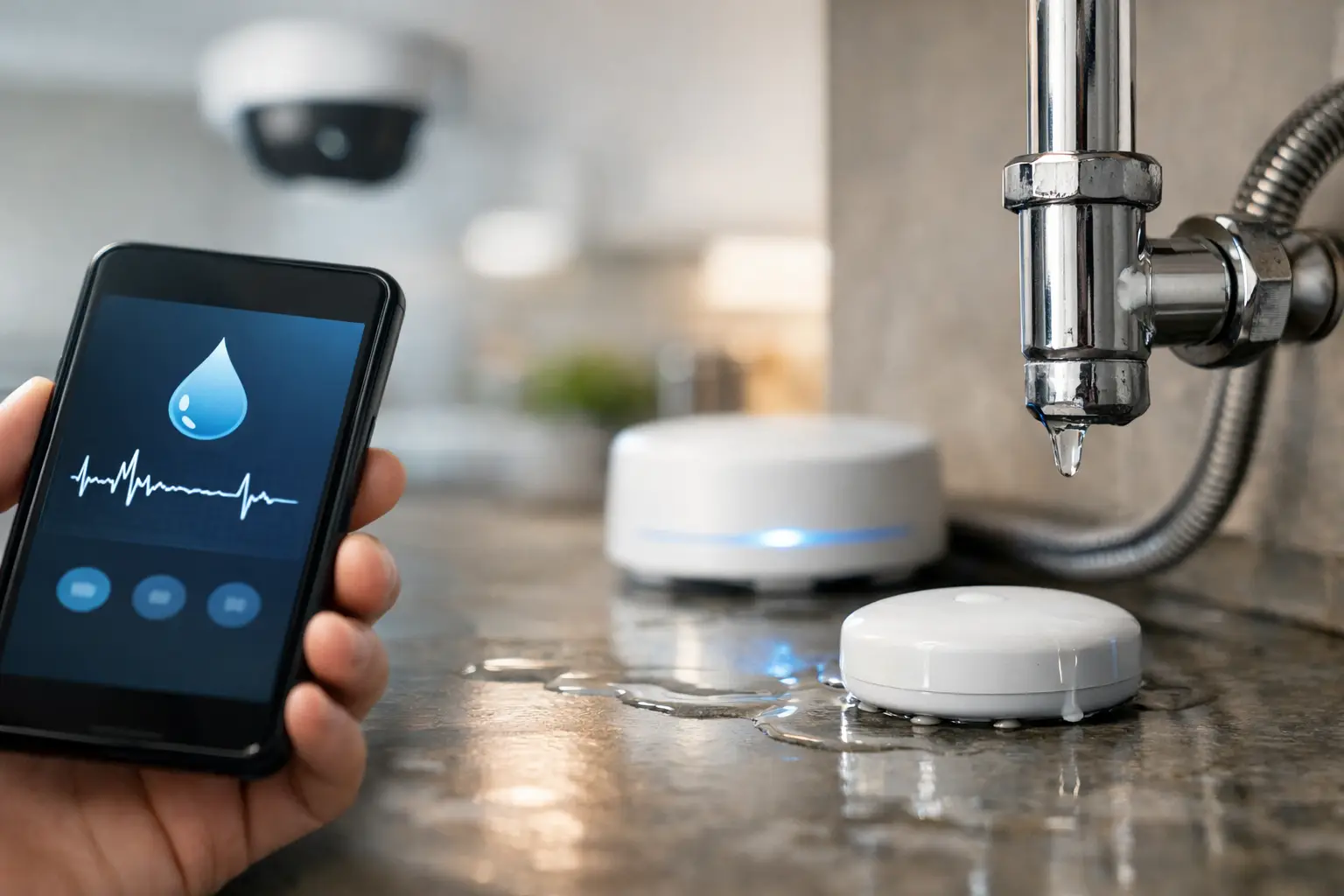
A few years ago, most leak alarms were basic battery-powered sensors placed under a sink or next to a water heater. Those still have value, especially in high-risk areas. But current smart leak detection trends go further by connecting sensors, shutoff valves, and mobile alerts into one system.
That means a device can do more than beep. It can send an alert to your phone, flag abnormal water use, and in some setups shut off the main water supply automatically. For a year-round home, that offers peace of mind. For a second home or rental property, it can be even more valuable because no one may be there to hear an alarm.
The trade-off is that more connected systems require better planning. Placement matters. Wi-Fi reliability matters. Battery maintenance matters. A smart system is only smart if it is installed correctly and monitored consistently.
Whole-home monitoring is becoming more common
One of the clearest trends is the move from point detection to whole-home monitoring. Instead of relying only on sensors at fixtures, many property owners are adding a main-line leak detection device where water enters the building.
These devices track water flow in real time. If they detect unusual continuous use, a sudden spike, or a pattern that does not match normal household activity, they send an alert. Some can learn usage habits over time, which helps reduce false alarms. For example, a shower and dishwasher running at the same time may be normal in a busy home, while overnight flow for several hours may signal a hidden problem.
This is especially useful in properties with finished basements, utility rooms, or concealed plumbing lines. A slow leak in a ceiling or wall cavity can go unnoticed for too long. Whole-home monitoring gives you another layer of visibility that basic alarms cannot provide.
Automatic shutoff is moving from luxury to practical upgrade
The feature getting the most attention is automatic shutoff. If a system confirms a likely leak, it can close the water supply before gallons turn into hundreds of gallons.
That sounds ideal, and often it is. But it is not a one-size-fits-all answer. In a single-family home, automatic shutoff can be straightforward. In a commercial building or multi-unit property, shutting off water may affect operations, tenants, or other plumbing equipment. In those situations, the system design has to match the building and the people using it.
Still, this is one of the most important smart leak detection trends because it changes leak response from reactive to immediate. Instead of waiting for someone to get home, see damage, and call for help, the system can limit the damage at the source.
Better app alerts are making systems more useful
Early smart home products sometimes created more noise than value. Too many alerts, confusing settings, and unreliable notifications made some owners ignore them. That is improving.
Current systems are getting better at sending more useful alerts with clearer data. Rather than just reporting that water was detected, they may tell you where the sensor is located, how long moisture has been present, or whether abnormal flow has continued after the alert. Some apps also let you check water activity remotely, which helps if you manage more than one property.
This matters because speed is everything with leaks. A useful alert that reaches the right person quickly is a lot more valuable than a generic warning that gets buried in a phone notification list.
Sensor placement is getting more strategic
Another shift is where sensors are being installed. Instead of placing one near a water heater and calling it done, more property owners are taking a risk-based approach.
High-priority areas usually include water heaters, washing machines, dishwashers, refrigerators with ice makers, sump pump areas, under-sink cabinets, and bathrooms on upper floors. In commercial settings, break rooms, utility closets, mechanical rooms, and tenant fit-outs often make the list. The idea is to focus on places where leaks are common and where damage can spread fast.
For homes on Cape Cod, there is also a seasonal angle. A vacant home in the winter carries a different risk profile than an occupied home year-round. Freeze-related pipe issues, water heater failures, and unnoticed drips can all become more serious when no one is onsite. Smart detection helps, but it works best when paired with proper winterization and regular system checks.
Integration with insurance and risk management is growing
Insurance companies have taken notice of water damage claims, and that is influencing adoption. Some carriers now offer incentives, discounts, or more favorable terms when approved leak detection and shutoff systems are installed.
This trend is strongest in higher-value homes, commercial spaces, and properties with prior claims. It makes sense. Water damage is expensive, disruptive, and often preventable if the problem is caught early. A leak detection system does not eliminate risk, but it can reduce the size of the loss.
That said, not every insurer treats these systems the same way. Requirements vary, and some want professional installation or specific device models. It is worth checking the details before assuming a device will qualify for any discount.
Data is starting to matter as much as alarms
The next phase of smart leak detection is not just alerting. It is pattern recognition. Many newer systems collect data over time and use it to identify behavior that may point to a plumbing issue before water is visible.
A toilet that runs a little too often, a supply line that starts drawing longer than usual, or a property that uses unexpected overnight water may all indicate a problem developing. That kind of insight can help catch waste and wear earlier.
For property managers and commercial clients, that data can be useful beyond emergencies. It can support maintenance planning, help compare water use across units or buildings, and point to equipment that may be failing. For homeowners, it can simply answer a practical question: is something using water when it should not be?
Smart systems still need real plumbing judgment
This is where expectations need to stay realistic. A sensor can tell you that moisture is present. A monitoring valve can tell you that flow looks abnormal. Neither one replaces a trained technician who can diagnose why the issue happened and what needs to be repaired.
Some leaks are obvious. Others involve pressure fluctuations, aging valves, corroded piping, loose connections, failed seals, or appliance problems that are not solved by replacing a gadget. False positives can happen too, especially in homes with irrigation systems, filtration equipment, or unusual usage patterns.
That is why installation and follow-up matter. A smart leak device should support your plumbing system, not complicate it. The best results usually come from pairing the right technology with a professional assessment of where the real risks are.
What property owners should look for now
If you are considering a system, start with the basics. Think about whether you need point sensors only, whole-home monitoring, or a setup with automatic shutoff. Consider how often the property is occupied, how old the plumbing is, and which areas would cause the most damage if a leak started there.
You should also look at power and connectivity. Battery-backed devices are helpful, but they still need maintenance. App-based systems are convenient, but not if your internet service is unreliable. And if you want a shutoff valve added to the main line, professional installation is the safer route.
For many homes and buildings, the best path is not the most expensive system. It is the system that fits the property and gets used the way it is supposed to. A well-placed sensor under a water heater is better than a complex setup no one maintains. On the other hand, if you own a vacant seasonal home or manage a commercial property, a more advanced system may pay for itself the first time it stops a major leak.
The direction of smart leak detection trends is clear. Plumbing problems are being caught earlier, alerts are getting more useful, and shutoff systems are becoming a practical part of damage prevention. The technology is improving, but the real value comes from acting before a small leak turns into structural damage, mold, downtime, or a long insurance claim. If your property has older plumbing, sits vacant part of the year, or has had leak issues before, this is one upgrade worth taking seriously before the next emergency decides for you.