A heating or cooling system rarely picks a convenient time to fail. On Cape Cod, a furnace that struggles during a cold snap or an air conditioner that quits during a humid week can quickly disrupt a home, rental property, or business. HVAC maintenance plans give property owners a practical way to find developing problems early, keep equipment operating efficiently, and reduce the chance of an unexpected breakdown.
For many homeowners, maintenance is easy to delay when the system appears to be working. The trouble is that worn electrical connections, clogged drains, dirty coils, weak capacitors, and airflow restrictions often develop quietly. By the time comfort changes noticeably, the repair may be more involved than it needed to be.
What HVAC Maintenance Plans Actually Do
A maintenance plan is scheduled professional care for your heating and cooling equipment. Rather than waiting for a no-heat or no-cooling call, a licensed technician inspects, cleans, tests, and adjusts key components before the peak season puts the system under its greatest strain.
The exact work depends on the equipment in your property. A gas furnace, boiler, central air conditioner, heat pump, ductless mini-split, and commercial rooftop unit all have different service needs. A useful plan should account for what you own instead of treating every system the same.
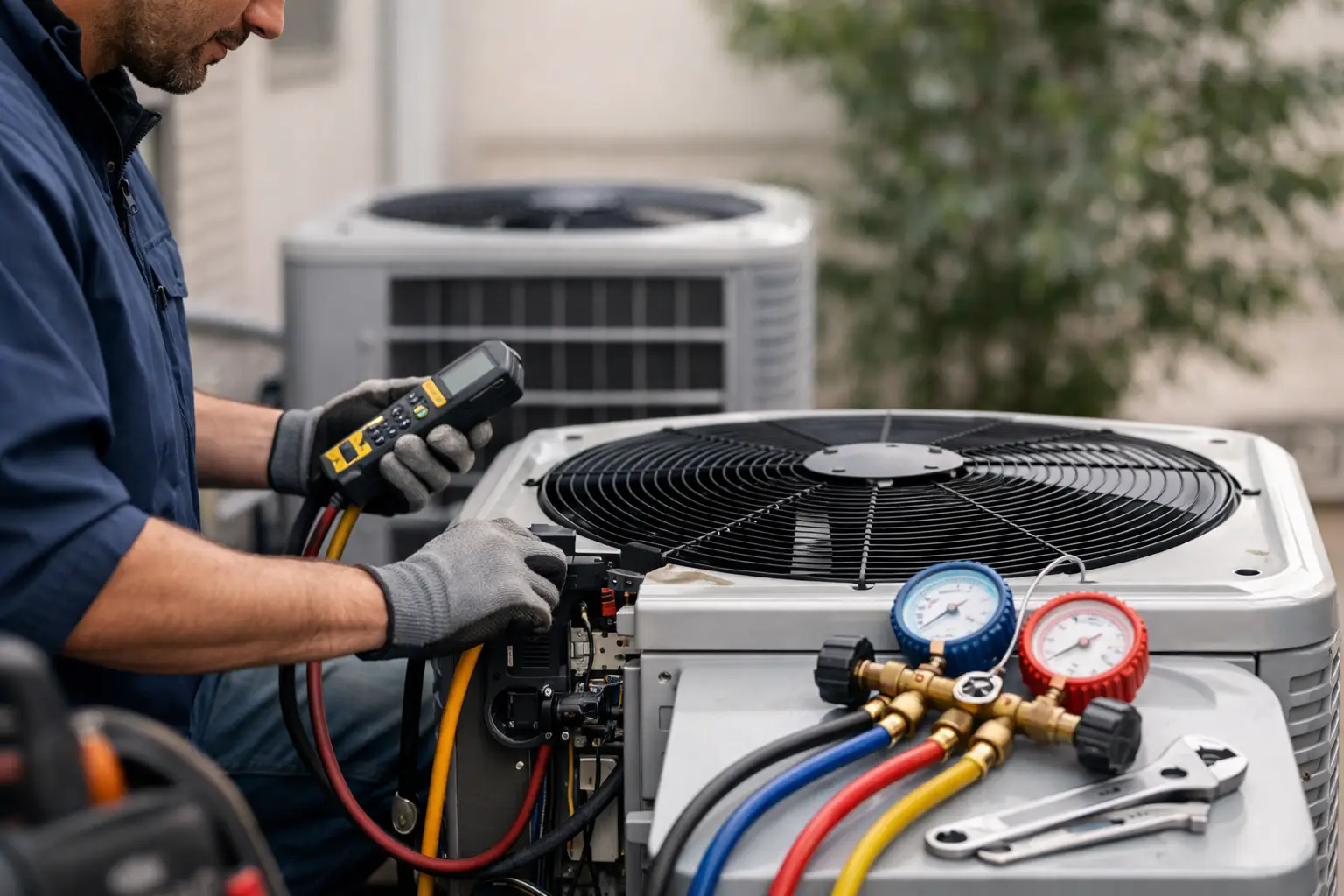
During a typical visit, a technician may check safety controls, electrical connections, refrigerant-related performance, thermostat operation, condensate drainage, filters, blower components, outdoor equipment, and overall system operation. For combustion equipment, proper inspection of venting and fuel-related components is especially important. The goal is not to replace parts unnecessarily. It is to identify wear, safety concerns, and efficiency losses while there is time to make an informed decision.
Why Preventive Service Matters on Cape Cod
Cape Cod systems work in conditions that can be hard on mechanical equipment. Summer humidity makes air conditioners and heat pumps run longer, which increases condensate production and places more demand on coils and fans. Salt air can also contribute to corrosion on outdoor components, particularly for properties near the coast.
Winter presents a different set of challenges. Heating equipment may run continuously during prolonged cold weather, and a small ignition, airflow, circulation, or control problem can become urgent when temperatures drop. Seasonal homes add another layer of concern. Equipment that sits unused for part of the year still needs a careful startup and periodic attention.
Maintenance cannot guarantee that a component will never fail. Parts can wear out without much warning, and older systems can have limitations no tune-up can solve. It does, however, lower the odds of avoidable failures and gives you a clearer picture of your system's condition before you are forced to make a decision under pressure.
What to Look for in an HVAC Maintenance Plan
Not all plans provide the same value. Before enrolling, ask what equipment is covered, how often service is scheduled, and what the visit includes. Vague promises of a "tune-up" are less useful than a clear checklist tailored to your system.
A strong plan should include seasonal scheduling that makes sense for your equipment. Most homes with separate heating and cooling systems benefit from a heating check before winter and a cooling check before summer. Heat pumps often need attention before both major operating seasons because they provide heating and cooling from the same equipment.
It also helps to know whether the plan offers priority scheduling, service discounts, or preferred response for plan members. These features can be especially valuable for property managers, owners of second homes, and businesses where a comfort outage affects tenants, customers, inventory, or daily operations.
Ask how repairs are handled when the technician finds an issue. You should receive a clear explanation of the problem, the recommended repair, and the available options. A plan is meant to make ownership more predictable, not lock you into work you do not understand.
Maintenance Is Different From a Repair Warranty
This distinction matters. A maintenance plan covers scheduled inspections and service at defined intervals. It may include discounts or other benefits for repairs, but it does not automatically mean every failed part is covered.
A manufacturer warranty, labor warranty, or service agreement may have separate terms. Review those details before signing up, particularly if your system is new or if you are considering a major replacement. Regular professional maintenance may also help satisfy some manufacturer warranty requirements, so keeping service records is a smart move.
The Problems Maintenance Can Catch Early
The most valuable maintenance visits often uncover issues that have not yet caused a complete shutdown. A clogged condensate drain, for example, may eventually lead to water damage, a system safety shutdown, or indoor humidity problems. Cleaning and testing the drain is a small task compared with dealing with a leak after it reaches finished space.
Dirty filters and restricted airflow are another common issue. A neglected filter can reduce comfort, increase operating costs, and put added strain on the blower and other components. Homeowners can usually replace standard filters themselves, but proper filter size, replacement timing, and airflow requirements vary by system.
Electrical components deserve attention as well. Contactors, capacitors, wiring, and disconnects experience heat and normal wear. A technician can look for signs of deterioration before a weak component leaves your air conditioner or heat pump unable to start on a hot day.
For heating equipment, testing safety controls and checking combustion-related operation can reveal concerns that should not wait. If you smell fuel, notice soot, hear unusual noises, see a yellow burner flame where a blue flame is expected, or suspect a carbon monoxide issue, treat it as a service concern right away rather than waiting for the next planned visit.
How Often Should Your Equipment Be Serviced?
For most residential systems, professional service once or twice each year is a sensible baseline. Furnaces, boilers, and other heating equipment should be checked before the heating season. Central air conditioners should be checked before sustained hot weather. Heat pumps commonly benefit from two visits because they operate year-round.
Some properties need more frequent attention. Restaurants, offices, retail spaces, multi-unit buildings, and facilities with heavy operating hours may require a customized commercial maintenance schedule. The same is true for systems exposed to coastal air, equipment serving server rooms or sensitive inventory, and older units that have begun to need recurring repairs.
Age matters, but it is not the only factor. A well-maintained older system may remain dependable, while a newer system with poor airflow, installation issues, or neglected service can develop trouble early. The best schedule is based on equipment type, use, environment, and service history.
What Homeowners Can Do Between Visits
Professional maintenance works best alongside a few simple habits. Replace or clean filters on the schedule recommended for your system and household. Keep leaves, grass clippings, and stored items away from outdoor equipment so it can move air properly. Do not close too many supply vents in an attempt to redirect comfort, since that can affect system airflow.
Pay attention to changes. New noises, uneven room temperatures, higher utility bills, frequent cycling, water near equipment, or a thermostat that cannot maintain the setting are worth addressing early. Waiting until a minor symptom becomes a full outage rarely saves money.
If you own a ductless mini-split, keep the indoor heads clean and make sure the outdoor unit remains clear. If your home uses a boiler or hydronic heating system, report pressure changes, visible leaks, or unusual banging sounds promptly. Different systems give different warning signs, which is another reason system-specific maintenance matters.
When Maintenance Reveals It Is Time to Plan for Replacement
Sometimes a service visit confirms that repair is the sensible path. Other times, it shows that an aging system is becoming costly, unreliable, or inefficient enough to consider replacement. There is no single age at which every HVAC system should be replaced. Repair history, energy use, availability of parts, comfort performance, and the cost of the recommended work all matter.
A trustworthy technician should explain the trade-off plainly. If a repair can reasonably extend the equipment's life, that may be the right choice. If repeated failures are disrupting your property or a major repair approaches the value of newer, more efficient equipment, planning an upgrade can prevent a future emergency. Available financing and Mass Save rebate opportunities may also affect the calculation for qualifying energy-efficiency improvements.
For homeowners and property managers, the best maintenance plan is one that turns surprise problems into scheduled decisions. Durfee Plumbing & Heating can help keep heating and cooling equipment ready for the season, with licensed service and clear recommendations when your system needs attention. Schedule service before extreme weather arrives, while you still have time to choose the solution that fits your property.