
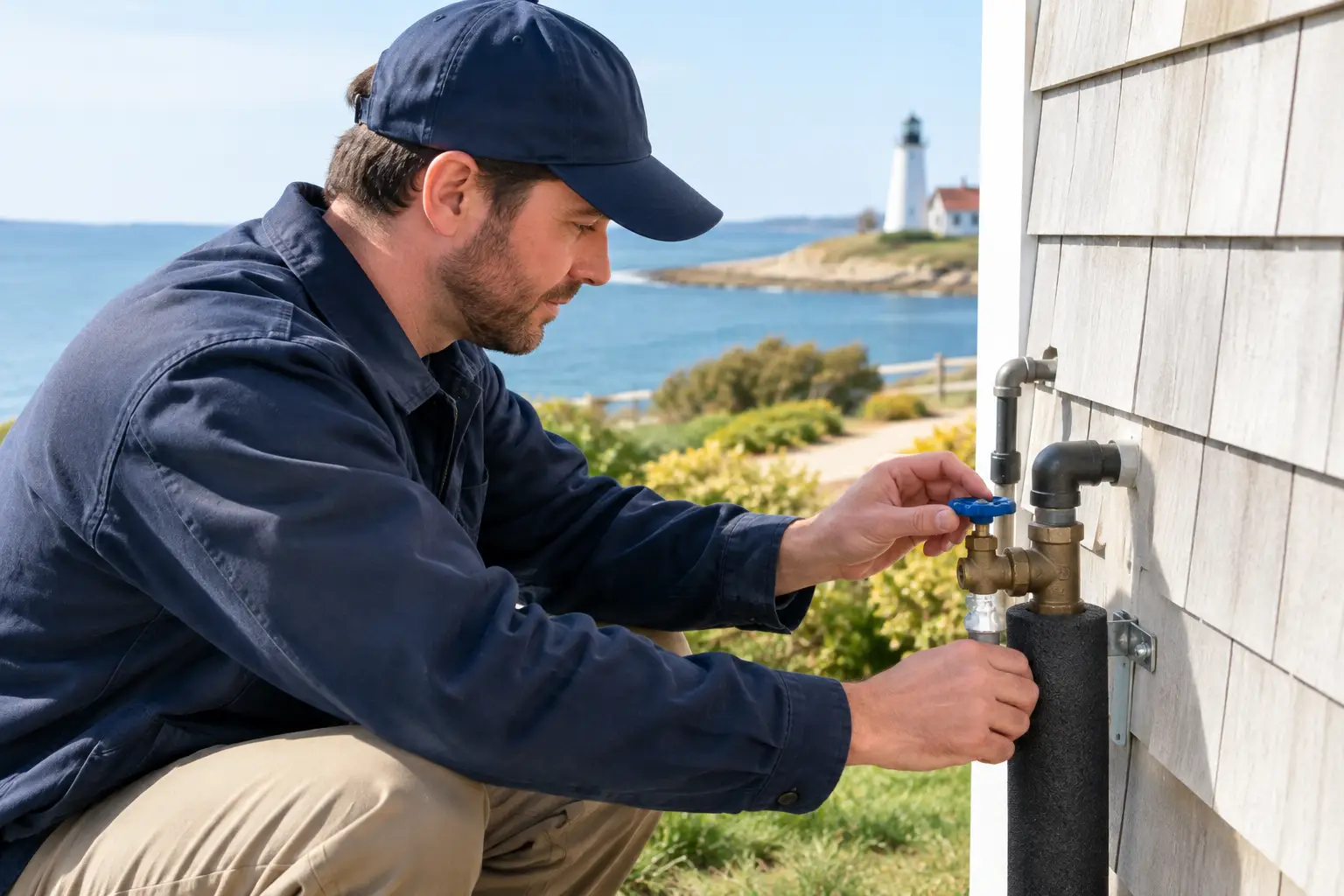
A Cape Cod winter can turn one small plumbing weakness into a flooded basement before breakfast. Learning how to prepare seasonal home plumbing helps protect your pipes, water heater, fixtures, and property through freezing temperatures, summer occupancy, and the quieter months in between. The right work depends on whether you live in the home year-round, leave it vacant seasonally, or manage a rental property, but a consistent maintenance routine reduces unpleasant surprises.
How to Prepare Seasonal Home Plumbing for Winter
Cold weather is the highest-risk season for plumbing in Massachusetts. Water expands as it freezes, which can split copper, PEX, PVC, and older pipe materials. A frozen pipe is inconvenient. A pipe that thaws and leaks inside a wall, crawlspace, or cabinet can cause significant water damage.
Start outside. Disconnect garden hoses before temperatures drop and drain any water left inside them. Shut off and drain exterior hose bibs if your home has indoor shutoff valves for those lines. A connected hose can trap water against the faucet and allow freezing to reach the pipe inside the wall.
Next, look at vulnerable indoor piping. Basements, crawlspaces, attics, garages, exterior walls, and cabinets under kitchen or bathroom sinks are common trouble spots. Insulate exposed hot and cold water lines with appropriate pipe insulation, paying close attention to elbows, joints, and areas near foundation openings. Insulation slows heat loss, but it does not make a pipe freeze-proof. If a space is unheated or poorly sealed, the better long-term fix may include air sealing, heat improvements, or rerouting a vulnerable line.
Seal obvious gaps around foundation penetrations, dryer vents, windows, and utility openings where cold air reaches plumbing. Leave cabinet doors open during severe cold snaps so warmer room air can circulate around pipes. Keep the thermostat at a stable temperature, including when you are away. Dropping the thermostat too low to save money can cost far more if pipes freeze.
If a pipe does freeze, turn off water to that affected area if possible and avoid using an open flame, propane torch, or high-heat device to thaw it. Those methods can damage piping, start a fire, or create a steam burn hazard. A qualified plumber can locate the frozen section, thaw it safely, and check for cracks before the pipe causes a leak.
Winterize vacant and seasonal properties correctly
For homes that sit empty for weeks or months, simply turning down the heat is not enough. Proper plumbing winterization usually involves shutting off the main water supply, draining supply lines, protecting fixtures and appliances, and adding approved plumbing antifreeze to traps where needed. Toilets, sinks, showers, tubs, washing machine connections, and other fixtures all need attention.
Winterization is especially valuable for second homes and seasonal rentals on Cape Cod, where a delayed leak can go unnoticed. The exact process varies by home. A property with a boiler, heat pump, well system, tankless water heater, or complex irrigation setup may need a more detailed plan. Do not drain or alter a heating system unless you understand the equipment and its manufacturer requirements.
Before leaving a vacant home, arrange for someone to check it regularly. A smart leak detector and low-temperature alert can provide another layer of protection, but they are not a substitute for a proper shutdown or reliable heat source. Test these alerts before relying on them, and make sure the person receiving notifications can access the property.
Get Plumbing Ready for Spring Thaw
Spring is when hidden winter damage often appears. As temperatures rise, frozen pipes thaw, exterior fixtures return to use, and groundwater can put extra demand on sump systems. A short inspection early in the season helps catch problems before they become major repairs.
Turn the water supply back on slowly if the home was winterized. Walk through the property while water pressure returns and look under sinks, around toilets, near the water heater, and at exposed basement piping. Listen for hissing or unusual sounds. Check ceilings and walls for staining, peeling paint, or a musty odor, since a slow leak may have started behind a finished surface.
Test each outdoor faucet before connecting a hose. If water leaks from the wall or foundation area when the faucet is on, turn it off and call for service. That often points to a damaged frost-proof sillcock or pipe connection. Inspect hose washers too. A worn washer creates a simple drip, but it wastes water and can make a good faucet appear faulty.
Spring is also a good time to clear debris from area drains and check the sump pump if your home has one. Pour water into the sump pit until the float activates, then confirm the pump runs and sends water away from the foundation. The discharge line should remain clear and positioned so water does not flow back toward the home. If the pump struggles, runs continuously, or makes grinding sounds, schedule service before a heavy rain exposes the problem.
Prepare Plumbing for Busy Summer Use
Summer plumbing issues are less likely to involve frozen pipes, but higher occupancy can put pressure on drains, toilets, water heaters, and outdoor fixtures. This matters for households hosting family, seasonal homes opening up, and rental properties turning over frequently.
Check toilets for leaks by adding a few drops of food coloring to the tank. If color appears in the bowl without flushing, the flapper may be leaking. A running toilet can waste a surprising amount of water and may keep a private well pump working harder than necessary.
Pay attention to drains before they become a weekend emergency. Slow sinks, tubs, and showers often signal a buildup of soap, hair, grease, or mineral deposits. Avoid repeated use of harsh chemical drain cleaners. They can damage older piping, create safety risks, and rarely remove the underlying blockage completely. A professional drain cleaning is often the more dependable answer for recurring clogs, multiple slow drains, sewage odors, or backups.
Your water heater also deserves a seasonal look. Check the area around the unit for corrosion, moisture, or rust-colored staining. Confirm there is no water around the temperature and pressure relief valve or at pipe connections. If hot water runs out faster than it used to, the unit makes popping noises, or you see visible corrosion, schedule an assessment. Sediment buildup is common, particularly in areas with mineral-heavy water, and an aging tank can fail without much warning.
For outdoor showers, common across Cape Cod properties, inspect supply lines and valves before regular use. Look for drips at the shower head, loose handles, or water collecting near the foundation. If the outdoor shower was winterized, make sure all components are restored correctly before turning on full pressure.
Protect Plumbing During Fall Transitions
Fall is the time to close the loop before winter returns. Do not wait until the first hard freeze to disconnect hoses or look for insulation gaps. Temperatures can shift quickly, and nighttime cold reaches exposed plumbing first.
A practical fall plumbing checklist includes these four actions:
- Disconnect and drain hoses, then shut off exterior water lines where possible.
- Inspect exposed pipes and replace damaged or missing insulation.
- Test the main water shutoff valve so it will work in an emergency.
- Schedule winterization for vacant homes, outdoor showers, and seasonal properties.
Take a few minutes to locate the main shutoff valve and make sure everyone responsible for the property knows where it is. In many homes, it is near the water meter, where the main line enters the basement, or near the well equipment. If the valve is stiff, corroded, or difficult to turn, have it repaired or replaced before a leak forces you to use it.
Property managers should also keep a simple record of plumbing shutoffs, water heater age, sump pump service, and prior leak locations. That information speeds up repairs and helps identify patterns, such as repeated drain backups in one unit or seasonal freezing along a particular exterior wall.
Know When to Call a Plumber
Some seasonal maintenance is straightforward, but plumbing conditions can be deceptive. A small water stain may indicate a roof issue, condensation, or a hidden pipe leak. Low pressure can come from one clogged fixture, a failing pressure regulator, a well problem, or a larger supply-line issue. Repeated clogs may be a local drain problem or a sewer-line concern.
Call for professional help when you have no water, a suspected frozen or burst pipe, sewage backup, a water heater leak, persistent drain problems, or water where it should not be. For an active leak, shut off the nearest fixture valve or the main water supply if necessary, move belongings away from the area, and seek prompt service.
Seasonal plumbing care is not about doing every task yourself. It is about catching small risks while there is still time to choose the right repair. For homeowners and property managers who need winterization, drain service, water heater support, or urgent plumbing help, Durfee Plumbing & Heating provides licensed service across Cape Cod, including 24/7 response when a problem cannot wait. A little preparation before the season changes can keep your home dry, comfortable, and ready for the people who depend on it.



