That stain on the ceiling, the weak shower pressure, the rusty tint in a glass of water - those problems rarely stay small for long. A homeowner guide to repiping decisions starts with one hard truth: if your plumbing system is failing in multiple places, repairing one leak at a time can cost more, disrupt more, and protect less than a planned replacement.
Repiping is a big decision because it affects walls, schedules, budgets, and peace of mind. Most homeowners are not trying to become plumbing experts. They just want to know whether they can keep repairing what they have or whether it is finally time to replace the system and move on. The right answer depends on pipe material, age, water quality, access, and how widespread the problems have become.
When repiping becomes the smarter move
A single leak does not automatically mean you need a whole-home repipe. Pipes can fail from an isolated issue, a bad fitting, or a freeze event. But patterns matter. If leaks keep showing up in different places, if pressure has been dropping over time, or if water is coming out discolored, those are signs the system may be wearing out rather than suffering one-off damage.
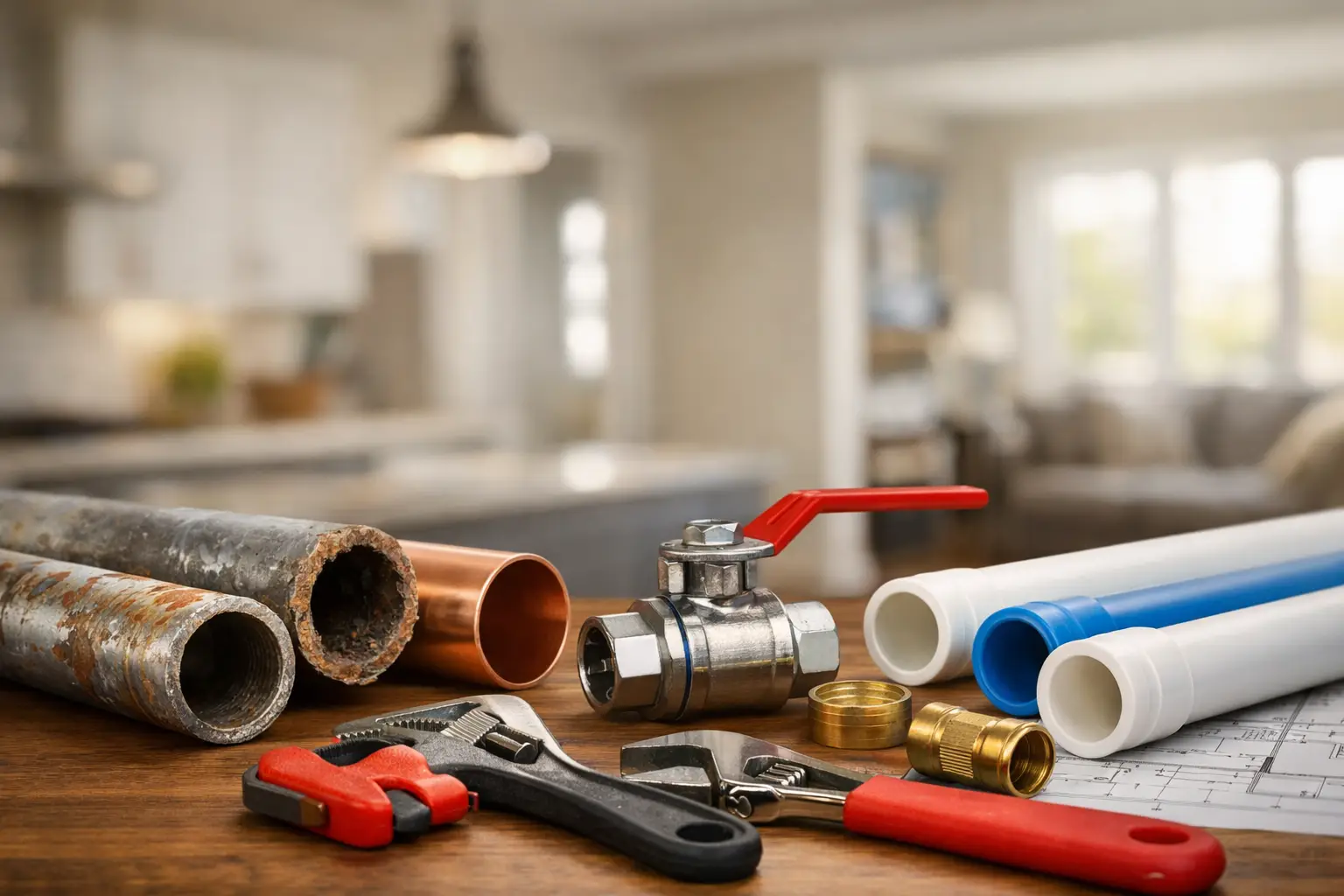
Older galvanized steel pipes are a common example. From the outside, they can look serviceable. Inside, years of buildup can narrow the pipe and restrict flow. That can lead to poor pressure, uneven performance at fixtures, and corrosion-related water quality issues. Copper systems can last a long time, but acidic water, poor installation, or repeated pinhole leaks can change the equation. Polybutylene, where it exists, raises its own concerns because of its history of premature failure.
In coastal areas like Cape Cod, plumbing systems also face added stress from moisture, seasonal occupancy, winterization issues, and the wear that comes with older housing stock. A house does not need to be historic to have plumbing that is simply at the end of its useful life.
Homeowner guide to repiping decisions: repair or replace?
Most homeowners reach this point after spending months or years patching problems as they appear. The question is not whether each individual repair is possible. It usually is. The real question is whether continued repair still makes financial and practical sense.
If your plumber is opening walls every few months, chasing leaks through different branches, or warning you that one fix is unlikely to stop the next failure, replacement deserves serious consideration. Planned repiping gives you more control. You can schedule the work, prepare the home, and make material choices based on long-term value instead of emergency pressure.
Repair usually makes sense when the issue is isolated, the rest of the system is in good condition, and the pipe material still has a strong service life ahead of it. Repiping makes more sense when problems are recurring, access is poor, damage risk is high, or your current system is dragging down daily comfort. Low flow at multiple fixtures, frequent shutoffs, and inconsistent hot water delivery can make a home feel older than it is.
There is also the insurance and resale angle. Buyers and inspectors often look closely at aging plumbing systems. A documented repipe can remove uncertainty and make a property easier to market. It does not mean you recover every dollar immediately, but it can prevent price reductions, repair credits, or buyer hesitation.
What material should you choose?
For most residential repiping projects, the main discussion comes down to copper versus PEX. Both can be good options, but they are not interchangeable in every home.
Copper has a long track record and is often preferred by homeowners who value durability and a more traditional piping material. It handles heat well and can be a strong fit in many systems. The trade-off is cost. Copper is usually more expensive in both material and labor, and installation can be more disruptive depending on the house layout.
PEX is flexible, efficient to install, and often more budget-friendly for whole-home repipes. Because it can snake through framing with fewer fittings, it may reduce labor time and the amount of wall opening required. That can matter in occupied homes where minimizing disruption is a priority. PEX is widely used and performs well in many residential applications, but the right product, installation method, and local code compliance matter.
Your plumber should not treat this as a one-size-fits-all recommendation. The best choice depends on your home, water conditions, budget, and goals. If you plan to stay in the house for decades, your priorities may differ from someone preparing a property for sale or renovating a seasonal home.
Scope matters as much as price
One of the biggest repiping mistakes is comparing estimates based only on the bottom-line number. Scope matters just as much. A lower quote may leave out fixture connections, drywall coordination, permits, patching expectations, or the replacement of key shutoff valves and supply lines.
Ask what is actually being replaced. Is it the entire domestic water system or only the visible problem areas? Are new stops being installed at sinks and toilets? Will hose bibs, laundry connections, and water heater tie-ins be included? What happens if hidden damage or outdated fittings are found once walls are opened?
A good estimate should also explain how the contractor plans to phase the work. In many homes, water service can be restored in stages so the household is not fully displaced for days. That is especially important for families, multi-bath homes, and rental properties where downtime affects more than convenience.
How much disruption should you expect?
Repiping is not minor work, but it is often less chaotic than homeowners fear when it is planned well. The level of disruption depends on the home’s layout, whether there is a basement or crawlspace, how accessible the existing lines are, and what finishes stand in the way.
In some houses, plumbers can reroute a large part of the system through basements, utility spaces, or wall cavities with limited opening. In others, especially older homes with tighter framing or finished spaces, access may be more involved. A straightforward conversation up front about wall cuts, water shutoffs, daily cleanup, and post-installation patching helps avoid frustration.
This is where working with licensed professionals matters. Repiping is not just about replacing pipe. It is about pressure balance, fixture performance, code compliance, shutoff strategy, and making sure the system is tested thoroughly before the job is closed up. Fast work is helpful, but correct work matters more.
Cost is real, but so is the cost of waiting
Repiping is a significant investment, and homeowners should treat it that way. The total cost can vary widely based on square footage, number of fixtures, pipe material, access difficulty, and whether related upgrades are done at the same time. There is no honest flat number that fits every house.
Still, waiting has a cost too. Ongoing leak repairs add up. So do drywall repairs, flooring damage, mold risk, insurance claims, and the stress of not knowing where the next failure will show up. If you have reached the point where you avoid using certain fixtures or worry every time you leave the house for a weekend, the plumbing system is already affecting how you live.
For some homeowners, financing can make a planned repipe possible sooner, before another emergency forces the decision at the worst possible time. That is not about upselling a project. It is about matching the timing of necessary work with a household budget.
Homeowner guide to repiping decisions: questions worth asking
Before you approve a repipe, ask a few direct questions. Is whole-home replacement truly recommended, or would a partial repipe solve the current issue? What pipe material is being proposed, and why? How long will water be off? What parts of the home will be opened? What testing is done before the system goes back into service? Is there a workmanship or parts warranty?
The answers should be clear and practical, not vague or overly technical. A dependable contractor should be able to explain the trade-offs in plain language and tell you where a partial solution makes sense and where it simply postpones a bigger problem.
If you are in an older Cape Cod home, it is also worth asking whether your plumbing issues are tied to broader system aging rather than one visible leak. That context changes the decision. A targeted fix may buy time, but it may not buy much.
Repiping is rarely anyone’s favorite home project. It lives behind the walls, and you do not choose it for looks. You choose it because clean, reliable water and confidence in your plumbing system matter every single day. When the signs are there, making a planned, informed decision is often the most practical way to protect your home and get ahead of the next leak instead of waiting for it.