A small leak under one sink rarely stays small for long. For property managers, plumbing issues have a way of spreading from one unit, one call, or one ignored fixture into bigger costs, tenant frustration, and preventable damage. That is why a solid property manager guide to plumbing maintenance is less about reacting fast and more about building a system that catches trouble early.
The challenge is not just technical. It is operational. You are balancing tenant communication, vendor scheduling, turnover timelines, budgets, insurance concerns, and the reality that some plumbing failures happen at the worst possible hour. Good maintenance planning reduces those surprises, but it also helps you decide what needs immediate attention, what can be monitored, and what should be replaced before it fails.
What plumbing maintenance actually means for a property manager
For an owner-occupant, plumbing maintenance may mean fixing a dripping faucet when it becomes annoying. For a property manager, the standard is different. You are responsible for habitability, damage prevention, and keeping systems dependable across multiple kitchens, bathrooms, laundry areas, utility rooms, and exterior lines.
That means maintenance has to cover both visible fixtures and the parts tenants never think about. Toilets, shut-off valves, water heaters, supply lines, hose bibs, drains, sump systems, and pressure regulators all deserve attention. The goal is simple: fewer emergencies, fewer repeat visits, and less disruption for residents or commercial occupants.
It also means understanding the difference between a repair issue and a system issue. A single clogged drain may be tenant use. Multiple slow drains in one stack may point to a building-wide problem. One failed water heater may be age. Several pinhole leaks across a property may suggest water quality, pressure, or pipe condition that needs a broader plan.
The highest-risk plumbing problems to watch first
Some issues create inconvenience. Others create property damage fast. The best property manager guide for plumbing maintenance starts by ranking risk, not just repair cost.
Supply line leaks are near the top of the list because they can release a lot of water quickly and often happen in hidden areas. Toilet failures matter for the same reason, especially when flappers, fill valves, or wax seals go bad and no one reports it right away. Water heaters are another major category. They do not just stop producing hot water. They can leak, corrode, or fail at the tank and damage flooring, walls, and stored items.
Drain issues deserve close attention too, but they require judgment. A slow bathroom sink is usually manageable if scheduled promptly. A recurring main drain backup is different. That can affect multiple units and become a sanitation issue fast. Exterior plumbing should not be overlooked either. Irrigation lines, hose bibs, and exposed pipes can create expensive seasonal problems, especially in climates where freezing is a concern.
Build a schedule that fits the property, not just a calendar
A common mistake is using the same plumbing checklist for every building. A newer condo building, an older multifamily property, and a mixed-use commercial site do not age the same way and do not fail in the same places.
Start with the basics on a routine basis. Check fixtures for leaks, test shut-off valves, inspect exposed supply lines, listen for running toilets, and look for signs of corrosion around water heaters and under sinks. In common areas, verify drain flow, inspect utility rooms, and confirm sump pumps or condensate systems are operating normally if the property has them.
Then adjust based on building type and age. Older properties usually need more frequent inspection of valves, connectors, and drain lines. Buildings with high tenant turnover often need more intensive unit checks between occupants because misuse or unnoticed wear is common. Properties with laundry rooms, commercial kitchens, or heavier water demand need a closer eye on drains, water heaters, and shut-offs.
Seasonality matters too. On Cape Cod and across southeastern Massachusetts, winterization is not optional for vulnerable lines, vacant units, and exterior plumbing. A frozen pipe can turn into a major loss before anyone gets on site. Spring and fall are ideal times to review hose bibs, exposed piping, and any plumbing connected to seasonal occupancy patterns.
Your unit-turn process should include plumbing every time
Turnovers are one of the best opportunities to catch plumbing issues before the next resident moves in. This is where many expensive calls can be prevented with a focused inspection.
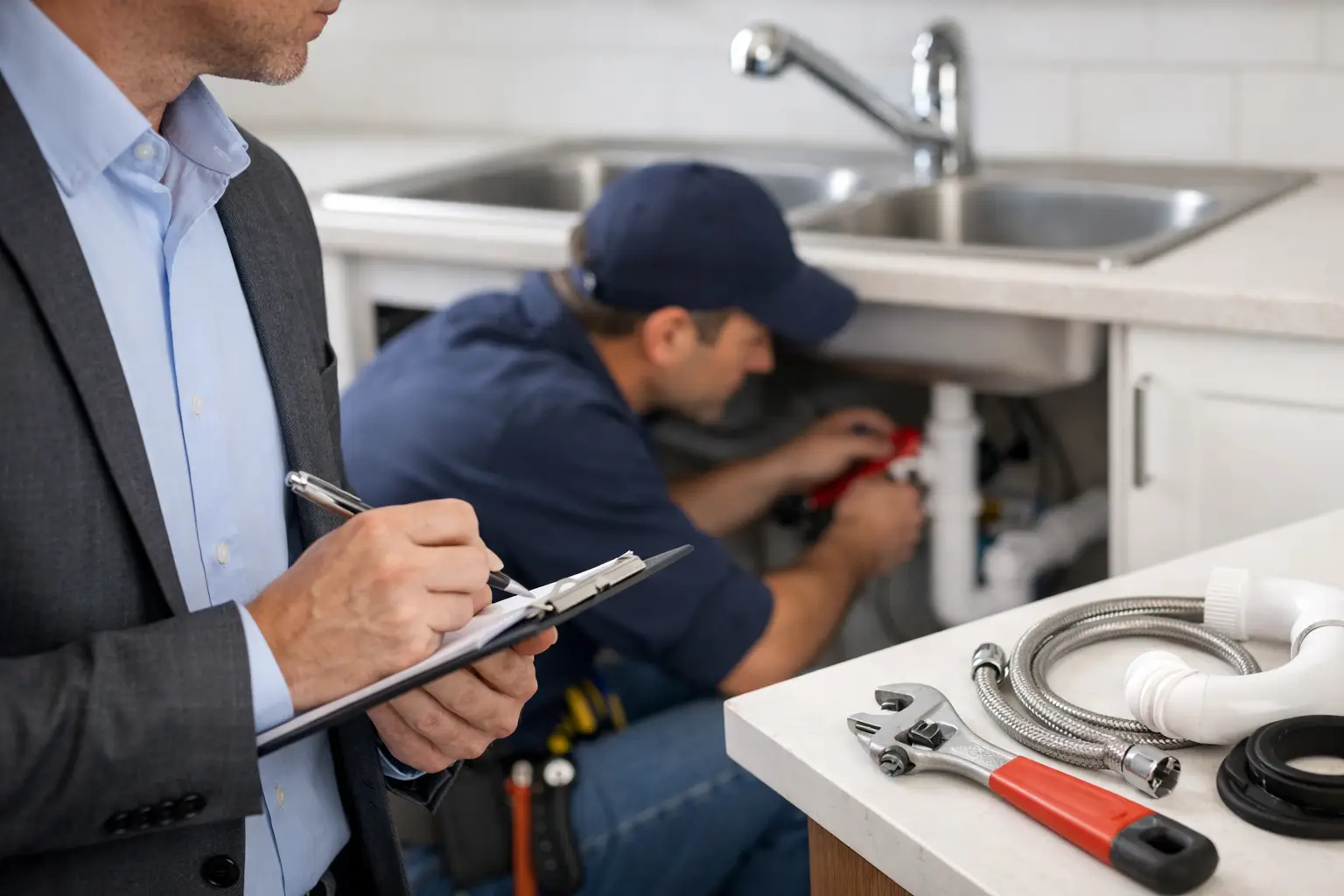
Every turnover should include testing faucets, toilets, shut-off valves, and drains. Look under sinks for staining, swelling, or slow drips. Check supply lines for age and material. Toilet components should be evaluated for leaks and proper refill. Water heaters should be reviewed for age, rust, venting where applicable, and signs of past leakage. If the property has older stop valves or brittle connectors, this is often the smartest time to replace them.
The trade-off is budget versus risk. Not every older part must be replaced on sight. But if a low-cost component has a high damage potential, proactive replacement often makes more sense than waiting. A failed braided supply line is cheap to prevent and expensive to ignore.
Tenant reporting can make or break your plumbing program
Even the best maintenance plan falls apart if tenants do not report problems early. Many leaks start as minor drips, intermittent toilet running, or a cabinet that feels damp once in a while. Residents may delay reporting because they think it is not urgent or they do not want to be a bother.
Set clear reporting expectations at move-in and repeat them during the lease term. Tenants should know to report any active leak, drain backup, loss of hot water, sewer odor, frozen pipe concern, or constantly running toilet right away. They should also know what not to do, such as using chemical drain cleaners repeatedly or forcing a stoppage with improvised tools.
This is one place where speed matters beyond customer service. Early reporting can be the difference between a simple repair and a mitigation job. A dependable local plumbing partner helps here because response time affects the outcome. If a pipe bursts after hours or a water heater fails on a weekend, waiting until Monday is rarely a good option.
Documentation is part of maintenance
Property managers already document inspections and work orders, but plumbing records deserve special attention. Knowing when a water heater was installed, when a drain line was last cleared, or which unit has recurring stoppages helps you make better repair decisions.
Good records reveal patterns. If the same line clogs every few months, repeated cleaning may not be the real solution. If multiple units have fixture leaks, it may be time to standardize replacements. If emergency calls cluster around certain buildings, those properties may need a more aggressive preventive approach.
Documentation also supports insurance claims, owner reporting, budget planning, and vendor accountability. It is easier to justify proactive work when you can show the service history and the cost of repeated failures.
When to repair and when to replace
This is where experience matters. Repair is often the right call for isolated fixture issues, minor valve failures, and newer water heaters with serviceable parts. Replacement becomes more attractive when a component is near end of life, parts are failing repeatedly, or the risk of collateral damage is high.
Water heaters are a good example. If a unit is aging, showing rust, and serving a high-demand apartment, waiting for failure is usually the expensive choice. The same logic applies to worn shut-off valves that may not close in an emergency. On the other hand, not every slow drain means repiping, and not every noisy faucet justifies replacing the whole fixture.
A licensed plumber can help you sort out those calls based on the property, the age of the system, and what failure would mean for the building. For property managers, that practical guidance is often as valuable as the repair itself.
Why emergency readiness belongs in a plumbing maintenance plan
Preventive maintenance reduces emergencies, but it does not eliminate them. Pipes freeze. Tenants flush the wrong things. Water heaters fail without much warning. Main lines back up at night, not just during business hours.
That is why your maintenance plan should include emergency procedures, not just inspection intervals. Make sure unit shut-offs are known when possible, building shut-offs are accessible, and after-hours contacts are current. Work with a service company that can respond quickly and arrive prepared to solve the problem, not just assess it. In a real emergency, stocked trucks and licensed technicians matter because the first visit often determines how much damage you avoid.
For many property managers, especially those handling older housing stock or seasonal occupancy, it helps to have one plumbing and heating partner who understands the full property picture. Durfee Plumbing & Heating serves Cape Cod property owners and managers with that kind of responsive support, which can make routine planning and urgent calls easier to manage.
A practical plumbing maintenance mindset
The strongest maintenance plans are not the most complicated. They are the ones that stay consistent. Inspect the high-risk items, take tenant reports seriously, document patterns, and do not treat every leak as a one-off if the building is telling you a bigger story.
Plumbing maintenance is really about control. You may not control when every part fails, but you can control how prepared the property is when something starts to go wrong. That preparation is what protects your budget, your schedule, and the people who rely on the building every day.