A burst supply line rarely waits until someone is standing nearby. It can happen during a workday, while a seasonal Cape Cod home is empty, or in the middle of a January cold snap. A wifi main water valve gives property owners a way to shut off their home's water supply from a phone, and some systems can act automatically when they detect a serious leak.
For the right property, that extra layer of control can prevent a small plumbing failure from becoming damaged floors, ruined finishes, mold cleanup, and a major insurance claim. It is not a replacement for sound plumbing, proper winterization, or prompt repairs. It is a practical safeguard that gives you more time to respond when water goes where it should not.
What Is a WiFi Main Water Valve?
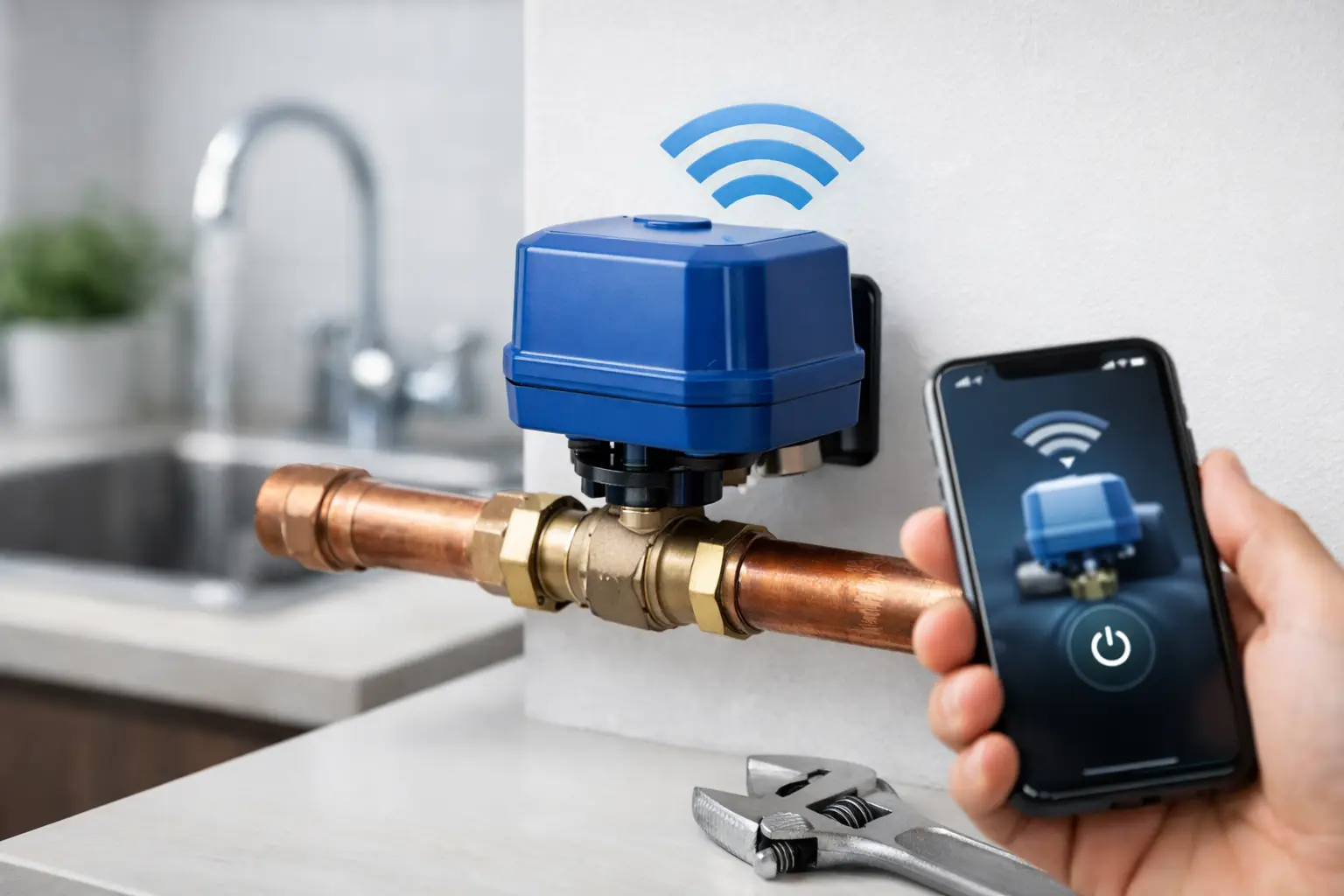
A WiFi main water valve is a smart device installed at or near the main water shutoff. Depending on the model, it either turns an existing ball valve with a motorized actuator or replaces the manual valve with a new electronically controlled shutoff valve.
Once connected to your home's WiFi network, the device can be operated through a mobile app. If you are traveling, you can check its status and close the water supply remotely. Many systems also work with separate leak sensors placed near water heaters, washing machines, dishwashers, refrigerators, toilets, and under-sink plumbing.
The more advanced versions do more than respond to a puddle sensor. They monitor water flow, pressure, or unusual patterns of use. If a pipe bursts or a toilet continues running far longer than normal, the system can send an alert and, when configured to do so, shut off the main water automatically.
That distinction matters. A remote-controlled valve is useful when you see an alert and can act quickly. An automatic shutoff system offers more protection when nobody is available to respond.
Why Smart Water Shutoffs Make Sense on Cape Cod
A smart shutoff is especially worth considering for homes that sit vacant for part of the year. Seasonal properties, vacation rentals, second homes, and managed properties can go days or weeks without anyone noticing a leak. Even a modest failure can keep running until a neighbor, cleaner, or property manager arrives.
Cold weather adds another risk. Frozen pipes may not leak until temperatures rise and ice inside the line begins to thaw. A homeowner can winterize a property correctly and still face an unexpected problem from a failed fitting, aging appliance hose, or a plumbing line exposed to unusually cold conditions.
For year-round homes, the value is different but still real. A smart water shutoff can provide reassurance while you are at work, away for the weekend, or asleep. It can also be useful for older homes where past renovations created hard-to-monitor plumbing routes behind walls and ceilings.
Commercial properties and rental units may benefit as well. A restaurant, office, retail space, or multi-unit building can suffer costly disruption from water damage. The system will not eliminate the need for regular inspections, but it can reduce the time water is allowed to flow after a failure begins.
What a Smart Shutoff Can and Cannot Do
A wifi main water valve can shut off the water entering the building. That can stop active flow from a broken pipe, failed supply hose, or leaking fixture. It may also alert you to a slow, unusual use pattern before the problem becomes obvious.
It cannot repair the leak. Water already in the plumbing lines may continue to drain after the main is closed, and a damaged pipe still needs professional repair. It also cannot prevent every type of water damage. A failed roof, backed-up drain, failed sump pump, or water heater relief discharge can require different solutions.
False alerts are another consideration. Some systems interpret extended water use as a possible leak. Filling a large bathtub, running irrigation, or having several guests in the house can trigger notifications if the system has not learned normal usage patterns. Better systems allow you to adjust sensitivity, set usage modes, and review the reason for an alert before choosing how aggressively the valve responds.
Internet service is also part of the equation. Most devices retain local shutoff capability even when WiFi is down, but remote app access may be limited until service returns. Before purchasing a unit, ask how it behaves during a power outage, whether it has battery backup, and whether the valve stays in its last position.
Choosing the Right Type of WiFi Water Shutoff
The best option depends on the condition of the existing plumbing, your risk level, and how much automation you want.
An actuator-style device attaches to a working quarter-turn ball valve. It is often less invasive and may be a good fit when the main shutoff is newer, accessible, and easy to operate manually. The drawback is that it relies on the underlying valve being in good condition. If the valve is stiff, corroded, or unreliable, adding a motor does not solve the real problem.
A replacement smart valve is installed directly into the water line. This is generally the better long-term choice when the existing main shutoff is outdated, leaking, difficult to reach, or not a proper ball valve. Installation is more involved because the water line must be shut down and modified, but it gives the plumber an opportunity to correct a weak point in the system.
Flow-monitoring systems can identify leaks without relying entirely on floor sensors. They are helpful for hidden leaks and continuous water use, but they cost more and need proper setup. Sensor-based systems are usually simpler and less expensive, though they only react when water reaches the sensor location.
For many homes, a combination works best: a dependable main shutoff valve, automatic flow monitoring, and a few targeted leak sensors in high-risk areas.
Installation Details That Should Not Be Overlooked
Smart water shutoff installation is not only about connecting a device to a pipe. The main valve needs to be accessible for service, protected from freezing, and positioned so a technician can inspect it. The device also needs a reliable power source and enough WiFi signal to communicate consistently.
Before installation, a licensed plumber should inspect the main shutoff and determine the pipe material, valve size, and condition of nearby fittings. Older gate valves, for example, may not close fully after years of sitting in one position. If a shutoff valve is going to be your last line of defense during a leak, it should be tested and replaced if necessary.
It is also smart to identify equipment that needs special consideration when the water is shut off. Ice makers, humidifiers, filtration systems, irrigation equipment, boilers, and tankless water heaters may have manufacturer requirements. A qualified installer can explain which systems should be turned off, bypassed, or checked before the main water is closed for an extended period.
After installation, test the app controls and automatic functions before you rely on them. Confirm that every adult responsible for the property knows where the manual shutoff is located, how to operate it, and who to call if an alert signals a real plumbing issue.
Is the Cost Worth It?
The cost of a smart shutoff varies widely based on the device, plumbing layout, electrical access, and whether the main valve needs replacement. A simple actuator on an accessible, modern ball valve is usually less expensive than a full flow-monitoring system with automatic shutoff and multiple sensors.
The better question is how much risk the system helps you avoid. One failed washing machine hose can cause thousands of dollars in damage in a short time. For an occupied home with a newer plumbing system, a basic sensor and remote shutoff may be enough. For a vacant home, rental property, or building with valuable finished space, paying more for automatic detection is often easier to justify.
Ask your insurer whether a monitored water shutoff qualifies for a discount or affects coverage requirements. Not every policy treats smart devices the same way, but documentation of preventive measures can be useful after a loss.
When to Call a Plumber Instead of Waiting
Do not install a smart device over a failing main valve and assume the problem is handled. Call for service if the existing valve drips, will not turn, only partially shuts off water, or is buried behind finished walls or stored items. The same applies if you see corrosion around the main line, have recurring unexplained water use, or suspect a hidden leak.
Durfee Plumbing & Heating can assess the condition of your main shutoff, replace an outdated valve, and help determine whether a smart water control system fits your home's plumbing and occupancy needs. For Cape Cod property owners, that evaluation is especially useful before winter, before leaving a seasonal home vacant, or after a leak has exposed a weak point in the system.
A smart shutoff works best when it is treated like a smoke alarm: install it thoughtfully, test it regularly, and never let it substitute for maintaining the system it protects.