A leaking shutoff valve under the sink rarely starts as a major emergency. More often, it begins as a slow drip, a little corrosion, or a toilet that keeps running long enough to push up your water bill. That is why a good residential plumbing maintenance guide matters. The goal is not to turn homeowners into plumbers. It is to help you spot early warning signs, protect your system, and know when a quick fix is reasonable and when it is time to call for service.
For most homes, plumbing problems build quietly. A drain slows down over months. Water pressure changes gradually. A water heater gets noisier before it fails. If you stay ahead of those small shifts, you reduce the chances of a burst pipe, sewage backup, or no-hot-water morning that throws off your whole day.
What a residential plumbing maintenance guide should help you prevent
Good maintenance is about avoiding the expensive problems that start small. That includes hidden leaks, fixture wear, clogged drains, failing water heaters, and frozen or stressed pipes. In older homes, it can also mean catching outdated materials or weak connections before they let go.
There is also a comfort issue. Plumbing affects daily life more than most people realize. If the shower pressure drops, the kitchen sink drains slowly, or the toilet runs all night, you notice it right away. Maintenance keeps the system working the way it should and helps avoid emergency service calls that happen at the worst possible time.
For homeowners on Cape Cod, weather adds another layer. Seasonal homes, winterization, and coastal humidity can all put extra stress on pipes, valves, and water heating equipment. A maintenance plan should reflect how the home is actually used, not just what the plumbing looked like on installation day.
Start with the fixtures you use every day
Kitchen and bathroom fixtures are where many plumbing issues first show up. Check faucets for drips, handles that have become hard to turn, and signs of mineral buildup around the base or aerator. A faucet that seems minor can waste a surprising amount of water over time, and corrosion around the fixture may point to a worn seal or slow leak.
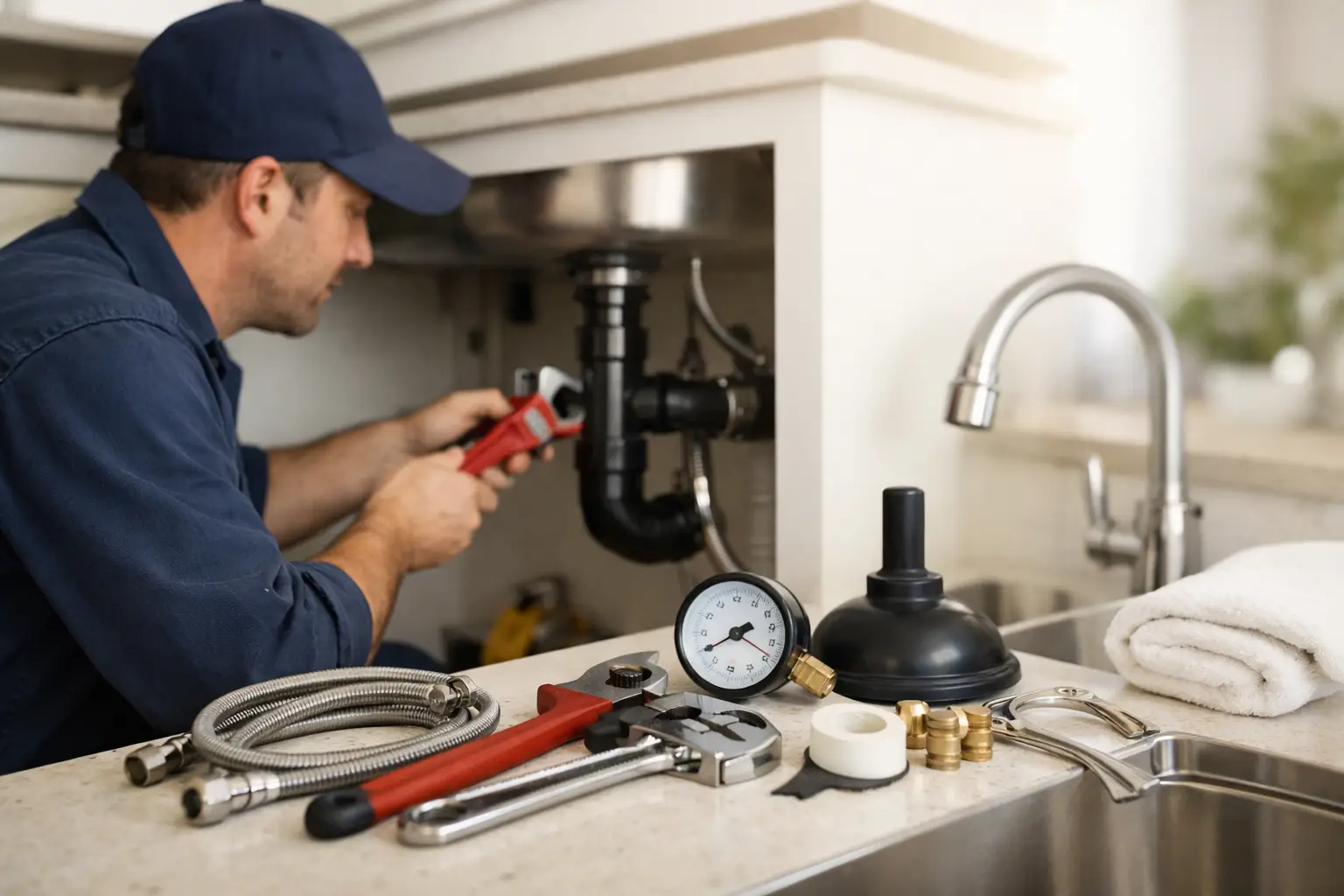
Look under sinks while the water is running. If you see staining, swollen cabinet material, or dampness around the trap or supply lines, something needs attention. Some leaks only show up while the sink is draining or when the faucet is under pressure, so a quick glance with the cabinet closed is not enough.
Toilets deserve close attention too. If a toilet runs after flushing, rocks at the base, or needs a second flush, do not ignore it. A running toilet can waste a large amount of water, and movement at the base may mean the seal has failed. That can damage flooring before the problem becomes obvious.
Keep drains clear without creating bigger problems
Drain maintenance is where good intentions often go sideways. Many homeowners reach for chemical drain cleaners first, but repeated use can be rough on pipes, especially in older systems. Those products may also clear part of a blockage without solving the actual cause.
A better approach is prevention. Use drain screens where they make sense, keep grease out of the kitchen drain, and avoid flushing anything other than toilet paper. “Flushable” wipes are a common source of clogs and backups, even when the packaging says otherwise.
If a drain is slowing down, try the simple options first. Remove visible debris from the stopper area, flush the line with hot water when appropriate, and use a plunger if the blockage is nearby. If multiple drains are slow at once, or if you smell sewage, that is usually not a minor fixture clog. It can point to a larger drain or sewer issue that needs professional equipment and diagnosis.
Water heater maintenance matters more than most people think
Water heaters are easy to forget until they stop working. By that point, you may be dealing with cold water, leaks, rust, or water damage around the tank. Whether you have a traditional tank, tankless system, or heat pump water heater, regular attention extends performance and helps you catch problems early.
Listen for popping or rumbling from a tank water heater. That can mean sediment buildup, which reduces efficiency and puts more strain on the unit. Check around the base for moisture, rust, or corrosion at connections. Also pay attention to changes in hot water supply. If hot water runs out much faster than it used to, or takes longer to recover, the system may need service.
Tankless units need maintenance too, especially in areas where mineral content affects scale buildup. They offer efficiency benefits, but they are not hands-off equipment. If your unit is throwing error codes or the hot water temperature is inconsistent, it is worth addressing before the problem gets worse.
Don’t ignore shutoff valves and supply lines
One of the smartest maintenance steps in any home is knowing where the main water shutoff is and making sure it actually works. In an emergency, every minute counts. If a pipe bursts or a fixture supply line fails, the ability to stop water fast can limit major property damage.
Test shutoff valves carefully from time to time. A valve that has not moved in years may be stuck or may begin leaking when turned. That is one reason these checks should happen before an emergency, not during one. Appliance supply lines should also be inspected for wear, kinks, corrosion, or bulging.
Washing machines, dishwashers, and ice makers are common leak points because the connections are out of sight until there is a problem. If a hose looks old or brittle, replacement is usually cheaper than cleanup and repairs after a failure.
Seasonal plumbing checks are worth the effort
A residential plumbing maintenance guide is not complete without seasonal checks. Spring and fall are usually the best times to walk through the house and look at the full system. Focus on hose bibs, exposed pipes, sump pump operation if your home has one, and any signs of winter stress.
Before cold weather, disconnect garden hoses and shut down exterior water lines if your setup requires it. Frozen pipes are not just a northern inland problem. Homes in coastal Massachusetts can still see freeze damage, especially in crawl spaces, basements, garages, or seasonal properties left unoccupied.
If you leave a home vacant for part of the year, the maintenance plan changes. Winterization becomes much more important, and so does checking the property before turning the water back on at full pressure. This is one of those situations where professional service often makes sense because the cost of a missed issue can be much higher than the service visit.
Watch your water pressure and water bill
Two of the best early warning tools are already in your home. The first is your water bill. If usage spikes and your habits have not changed, there may be a hidden leak. The second is water pressure. Pressure that is suddenly weak, unusually strong, or inconsistent can point to problems with fixtures, regulators, buildup, or supply lines.
High water pressure sounds better than low pressure, but too much pressure can shorten the life of appliances, valves, and pipes. Low pressure may be as simple as a clogged aerator or as serious as a hidden leak or supply issue. The pattern matters. If only one fixture is affected, the problem is often local. If several areas are affected, it usually calls for a broader inspection.
Know when maintenance becomes repair
There is real value in handling small visual checks and basic upkeep yourself. But there is also a line. If you see active leaking at a valve, signs of pipe corrosion, repeated drain backups, sewer odors, or water heater problems, it is time to bring in a licensed technician. The same goes for gas line work, hidden leaks, and any repair that affects multiple fixtures or water supply to the home.
The trade-off is simple. A small issue handled early is usually more manageable than a larger repair after damage spreads. Trying to force a do-it-yourself fix on the wrong problem often adds cost, not savings. For homeowners who want fewer surprises, scheduled service can be a smart move because it combines inspection with repairs before they become urgent.
Durfee Plumbing & Heating LLC works with homeowners across Cape Cod who need that mix of fast response and practical guidance, especially when a maintenance issue starts looking more like an emergency.
A well-maintained plumbing system does not call attention to itself, and that is exactly the point. If you take a few minutes each season to check the parts you rely on every day, you give yourself a better chance of avoiding the leak, clog, or equipment failure that interrupts everything else.