A small drip beneath a kitchen sink can turn a cabinet base soft in a matter of weeks. A pinhole leak behind a wall may go unnoticed until paint bubbles, flooring warps, or a water bill jumps. Prompt leak repairs are about more than stopping water - they protect the structure, air quality, and daily function of your home or business.
On Cape Cod, plumbing leaks can be especially disruptive. Seasonal homes may sit vacant, freezing temperatures can stress exposed pipes, and coastal moisture can make hidden water damage harder to spot. The right response depends on where the leak is, how quickly it is moving, and whether it involves a water, drain, heating, or gas line.
Know When a Leak Is an Emergency
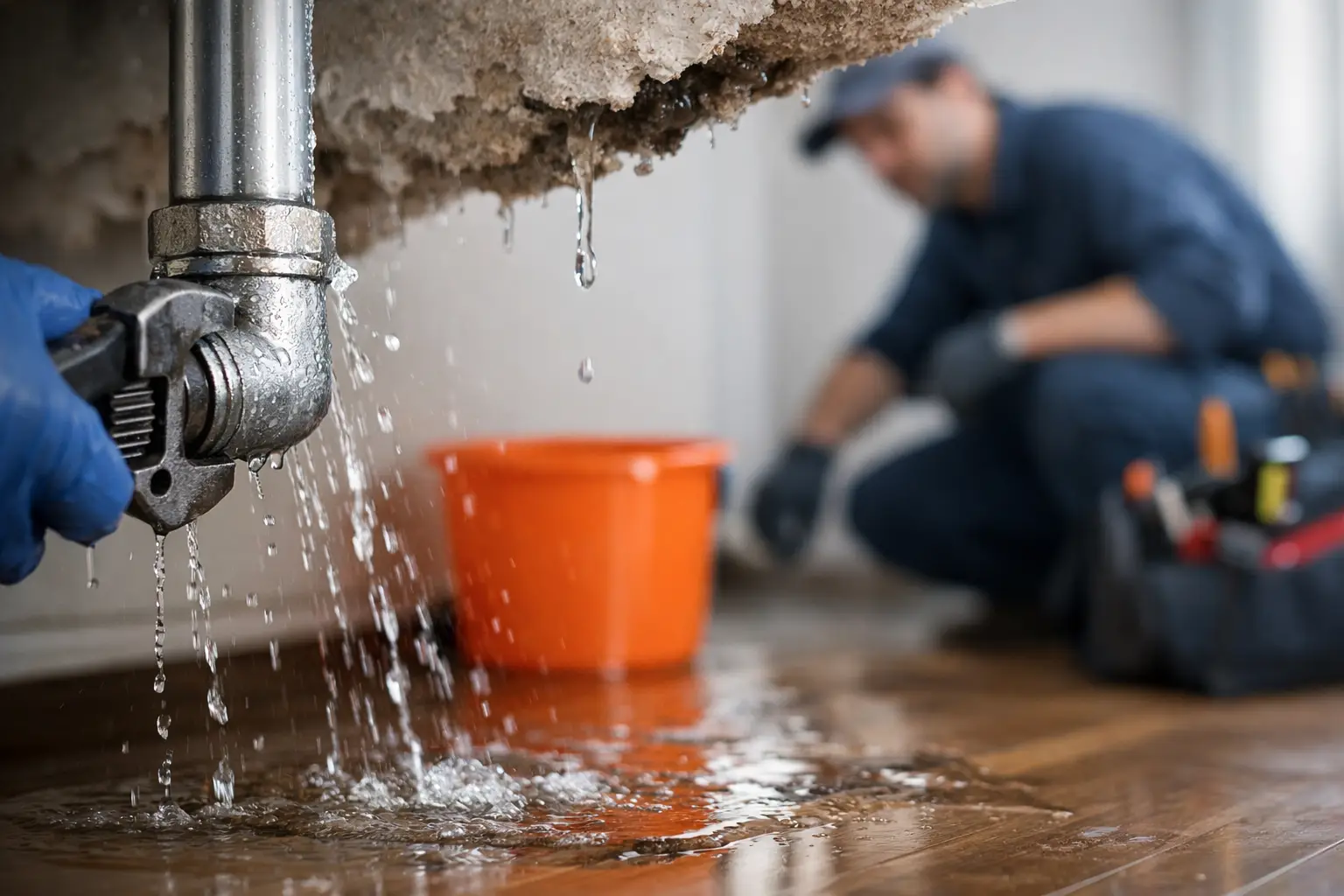
Not every leak requires a middle-of-the-night service call, but some cannot wait until regular business hours. If water is actively flowing from a burst pipe, supply line, water heater, or ceiling, shut off the main water valve if it is safe to do so. Then call for emergency plumbing service. Moving water can damage insulation, electrical components, drywall, hardwood, and personal belongings quickly.
A ceiling leak deserves immediate attention even when the drip seems slow. Water may be collecting above the ceiling, and the source is not always directly overhead. It could be a bathroom fixture, a heating pipe, a roof issue, or a plumbing line several feet away.
Call right away if you notice water near electrical outlets or panels, a sudden loss of water pressure, sewage backing up, or a strong gas odor. Do not try to locate a suspected gas leak yourself. Leave the area, avoid switches and open flames, and contact the appropriate emergency provider.
First Steps Before Professional Leak Repairs
The first few minutes matter. Your goal is to stop or contain the water without creating another hazard. Find out where your main shutoff valve is before an emergency happens. In many homes, it is near the water meter, where the main line enters the building, or in a utility area. Property managers should make sure tenants and maintenance staff know its location as well.
For a leak under a sink or behind a toilet, the fixture-level shutoff valve may stop the water without affecting the rest of the building. Turn it clockwise gently. If the valve will not move, do not force it hard enough to break it. Use towels, buckets, and a wet/dry vacuum to limit spread while you arrange service.
Take clear photos of the affected area before cleanup when possible. They can help a plumber understand what happened and may be useful for insurance documentation. Then remove rugs, stored items, and other materials that can hold moisture. Opening cabinet doors and improving airflow can reduce damage, but do not use fans around electrical hazards or contaminated sewage water.
Temporary measures have limits. Tape, sealants, and clamp kits may slow a very small accessible leak, but they rarely solve the underlying issue. A repair that appears successful can fail again under normal water pressure, often when no one is home.
Common Leak Sources and What They Mean
Leaks are not all created equal. Identifying the likely source helps determine how urgent the repair is and what work may be needed.
Fixture and Supply Line Leaks
Dripping faucets, loose shower connections, worn toilet fill valves, and failing supply hoses are common problems. They may seem minor, but a slow toilet leak can waste substantial water, while a failed washing machine hose can release a large volume in minutes.
Look for moisture around shutoff valves, rust on braided supply lines, corrosion at connections, and water stains inside vanity cabinets. Replacing a worn hose or valve is often straightforward for a licensed plumber, especially when the correct parts are already on the truck.
Hidden Pipe Leaks
A hidden leak often shows up through secondary signs rather than visible water. Watch for a musty smell, unexplained staining, peeling paint, damp carpet, warm spots on a floor, or mold growth along baseboards. You may also hear water moving when every fixture is turned off.
Your water meter can offer a useful clue. Turn off faucets, appliances, irrigation, and water-using equipment, then check whether the meter continues to register use. This does not identify the location, but it suggests water is moving somewhere it should not be. Leak detection may involve pressure testing, moisture readings, camera inspection, or other diagnostic methods depending on the plumbing layout.
Water Heater Leaks
Water around a water heater should never be ignored. The issue may be a loose connection, temperature and pressure relief valve discharge, condensation, a drain valve problem, or corrosion in the tank itself. Tank corrosion cannot be reliably repaired. In that case, replacement is usually the safer choice.
If your unit is aging, a leak may be a chance to consider whether a tankless water heater or heat pump water heater fits your household or commercial needs. The best option depends on hot water demand, available space, electrical capacity, fuel source, and budget. A repair can make sense for a newer unit with an isolated component failure. An older leaking tank may make replacement the more cost-effective decision.
Drain and Sewer Leaks
Drain leaks do not always cause obvious flooding. A cracked drainpipe beneath a sink can release water only while the fixture is running. Wastewater leaks can also cause odors and create sanitation concerns, particularly in commercial restrooms, kitchens, and multi-unit properties.
Slow drains, recurring clogs, gurgling, or sewage smells may point to a larger drain issue rather than a simple leak at a connection. Drain cleaning or camera inspection can reveal whether buildup, root intrusion, a broken line, or poor pipe condition is contributing to the problem.
Why Waiting Costs More
Water follows the path of least resistance. By the time it becomes visible, it may have traveled behind walls, under flooring, or through framing. Delaying service can turn a small plumbing repair into drywall replacement, flooring work, mold remediation, or a business interruption.
There is also the cost of wasted water. A persistent leak raises utility bills, and a damaged pipe can reduce water pressure or affect nearby fixtures. In a rental or commercial setting, unresolved leaks can lead to tenant complaints, downtime, and damage to inventory or equipment.
Winter adds another layer of risk for Cape Cod properties. A poorly insulated pipe, vacant building, or missed winterization step can lead to frozen lines and bursts when temperatures drop. If a property will be unoccupied, proper plumbing winterization and a plan for monitoring heat can prevent a much larger repair later.
Choosing the Right Professional for Leak Repairs
A leak repair is only as reliable as the diagnosis behind it. Replacing a visible fitting may stop the drip, but a good technician also considers why it failed. High water pressure, corrosion, aging pipe materials, freezing, movement, poor installation, or a failing valve can all be part of the cause.
Choose a licensed plumbing professional who can inspect the full situation, explain the repair clearly, and provide realistic options. For urgent issues, a company with stocked service vehicles can often complete common repairs on the first visit instead of leaving your property without water or with a temporary patch.
Ask what is covered by the repair warranty and whether nearby components should be evaluated at the same time. For example, if one aging supply line has failed, inspecting other hoses of the same age is practical. That does not mean every leak requires a major replacement project. It means you should understand the condition of the system before deciding between a targeted repair and a preventive upgrade.
Preventing the Next Leak
Most leaks cannot be predicted perfectly, but regular attention lowers the risk. Check under sinks and around toilets periodically, especially in guest bathrooms and utility rooms that are not used every day. Replace visibly corroded supply lines, keep an eye on water heater age and condition, and address slow drains before they become backups.
Know where the shutoff valves are, test them occasionally, and label them if needed. If your water pressure feels unusually strong, have it checked. Excessive pressure puts added strain on pipes, fixtures, appliance hoses, and water heater components.
For homeowners, property managers, and businesses, fast action is the best protection when water appears where it does not belong. Durfee Plumbing & Heating provides licensed leak repair service and 24/7 emergency support across Cape Cod, helping you move from active damage control to a lasting repair with less disruption.